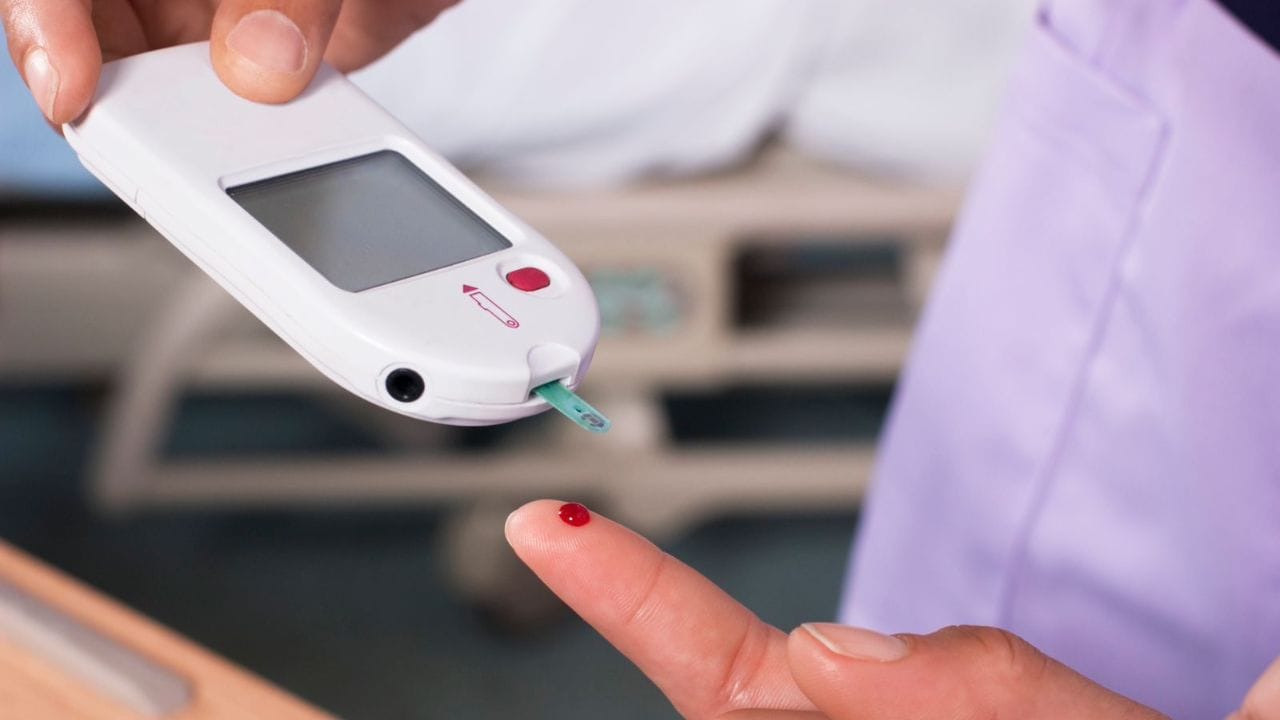
sugar level Image Credit source: Getty Images
In today’s time, cases of diabetes are increasing rapidly, due to which people of every age are being affected. This is a condition that directly affects the energy balance of the body. When insulin hormone does not work properly or is produced less, glucose starts increasing in the blood, which leads to the problem of high sugar level i.e. diabetes. Normally fasting sugar level is between 70-100 mg/dL. Whereas 100-125 mg/dL indicates pre-diabetic condition and more than 126 mg/dL may indicate diabetes. In such a situation, it is important to understand its symptoms. Let us first know what is the reason for increasing sugar level.
sugar level The biggest reason for increase is insulin not working properly. Bad lifestyle, excess junk food, less physical activity, obesity, stress, lack of sleep, hormonal changes and genetic reasons can also increase sugar. When the sugar level remains high for a long time, the heart, kidneys, eyes, nerves and skin are affected. This can cause serious problems like heart disease, stroke, kidney failure, poor eyesight, numbness in nerves and non-healing wounds in the legs. Therefore, it is very important to control high sugar in time. Let us know its symptoms.
What symptoms appear when sugar level increases?
Professor Dr. Subhash Giri, Director, Department of Medicine, RML Hospital, Delhi. It is said that when the sugar level increases, the body gives many signals such as increased thirst, frequent urination, increased hunger, fatigue, blurred vision, weight loss or gain, dry skin and slow healing of wounds. Sometimes tingling or numbness is also felt in the legs and hands.
If sugar increases too much, serious symptoms appear such as difficulty in breathing, confusion, rapid heartbeat, vomiting, unconsciousness, dehydration and risk of ketoacidosis. Apart from this, frequent infections and itching on the skin can also be a sign of increased sugar. If such symptoms appear, you should immediately contact a doctor, because if timely treatment is not received, the situation can become dangerous.
How to control?
Exercise for at least 30 to 45 minutes daily.
Stay away from sugar, flour and junk food.
Be sure to eat fiber, vegetables, pulses and whole grains.
Keep weight under control and get enough sleep.
Drink more water and reduce stress.
Take the medicines prescribed by the doctor regularly and keep checking your sugar.