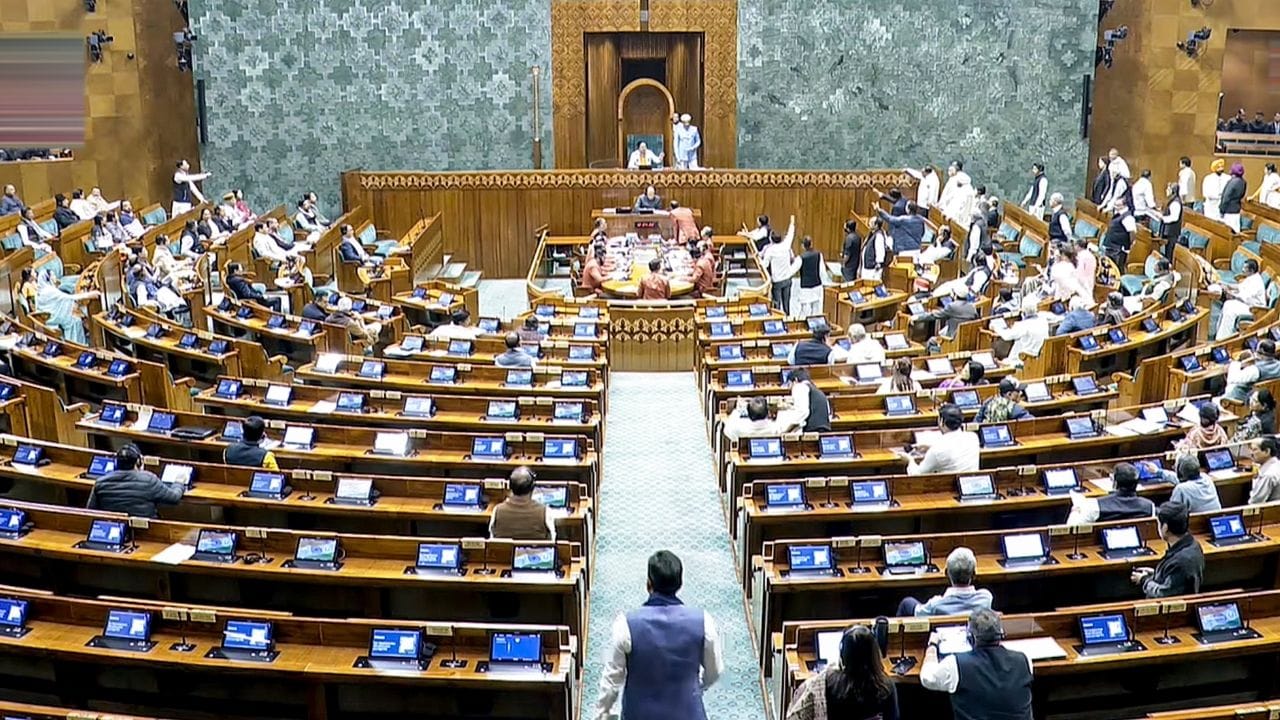
New Delhi: The Union government’s proposed Viksit Bharat – Guarantee for Rozgar and Ajeevika Mission (Gramin), or VB-G RAM G Act 2025, marks the most significant overhaul of rural employment policy since the launch of MGNREGA in 2005. As political debate intensifies, official FAQs released by the government outline why the change is being made and how the new law differs from the existing framework.
What is VB-G RAM G Act 2025?
VB-G RAM G is a statutory rural employment guarantee programme aligned with the Viksit Bharat 2047 vision. It guarantees 125 days of wage employment per rural household, up from the current 100 days under MGNREGA, for adults willing to undertake unskilled manual work.
How is it different from MGNREGA?
According to the FAQs, the new Act addresses structural gaps in MGNREGA by shifting focus from scattered works to four priority verticals—water security, core rural infrastructure, livelihood-related infrastructure, and climate resilience. All assets created will be mapped under a unified Viksit Bharat National Rural Infrastructure Stack, enabling coordinated planning and monitoring.
How will it benefit rural households?
The government says higher guaranteed days will boost rural incomes and consumption, reduce distress migration, and strengthen village economies. Water-related works such as Amrit Sarovar, which has already rejuvenated over 68,000 water bodies, are cited as evidence of productivity gains.
What does it mean for farmers?
A key change allows states to notify up to 60 days during peak agricultural seasons when guaranteed work pauses, ensuring labour availability for sowing and harvesting. This, the government argues, prevents labour shortages and wage inflation while still preserving the 125-day guarantee.
What about labourers?
Labourers will benefit from higher guaranteed workdays, weekly wage payments, digital attendance, Aadhaar-based verification, and mandatory unemployment allowance if work is not provided.
Why move from demand-based to normative funding?
The FAQs state that normative allocation brings predictable budgeting without weakening legal guarantees. Employment remains a right, and states must pay unemployment allowance if work is denied.
Why was a new law needed?
The government cites falling rural poverty, digital expansion, and persistent issues under MGNREGA such as misappropriation, fake works, and weak verification. The new Act introduces AI-based fraud detection, stronger social audits, real-time dashboards, and GPS-based monitoring.
Will states bear a heavier financial burden?
No, says the government. Funding will follow a 60:40 Centre-State ratio, with special provisions for northeastern states and UTs.
Overall, the VB-G RAM G Act is being pitched as a modern, accountable rural employment framework designed for today’s transformed rural economy—though its political and social impact is likely to be closely scrutinised in Parliament.