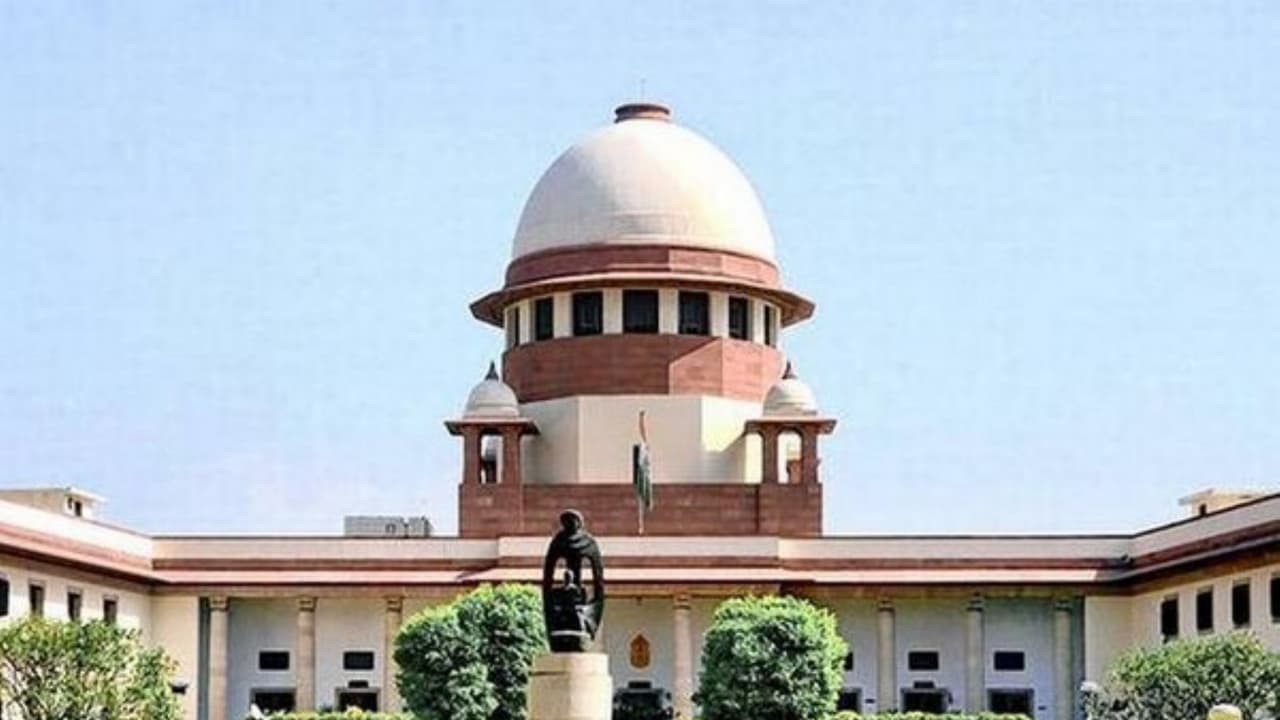
Senior advocate Kapil Sibal made an urgent plea in the Supreme Court against massive restrictions in Delhi ahead of a CJP protest. He flagged the cancellation of trains, metro closures and hotel curbs, asking, ‘What is happening to my country?’
‘What is happening to my country?’ Sibal questions Delhi lockdown
The Supreme Court on Friday heard an urgent mention challenging restrictions imposed in Delhi ahead of the October 10 protest called by the Cockroach Janata Party (CJP) against Chief Election Commissioner Gyanesh Kumar, with senior advocate Kapil Sibal asking the apex court, “What is happening to my country?”
Sibal, appearing for CPI(M) general secretary MA Baby, flagged the cancellation of trains to Delhi, closure of metro stations, internet curbs and restrictions on hotel bookings. “What is happening to my country?” he asked, urging the court to take up the matter urgently. He said a petition has been filed regarding the issue and urged the CJI bench to hear it today along with other matters relating to the CJP protest held in July.
“All trains have been cancelled, 57 metro stations are shut, people are being denied accommodation in hotels, and Nizamuddin has been closed. RWAs are reportedly being told not to allow people to step out. What is happening to my country? This is a peaceful protest. How can this be allowed to happen?” said Sibal.
He further said that trains to New Delhi and Nizamuddin have been cancelled tomorrow between 4 am and 2 pm; Howrah, Shalimar, and Rajdhani Express trains have been cancelled. “Trains, Metro, Uber, OYO hotels, stadiums. The crackdown for Delhi on October 10,” said Sibal, adding that hotels have been asked to stop taking guests.
Bench questions petitioners, suggests High Court hearing
A bench of Chief Justice of India Surya Kant and Justices Joymlaya Bagchi and V Mohana questioned why the petitioners had not approached the Delhi High Court. Sibal said a similar plea by the Indian Youth Congress was pending there but had been adjourned until Monday.
Justice Bagchi repeatedly questioned the absence of a protest organiser, observing that without permission, the proposed gathering could be unlawful. The bench also indicated that any intervention would have to account for competing interests, including the possibility of restraining the gathering itself.
Lawyers argue against ‘disproportionate’ measures
Senior advocates Abhishek Manu Singhvi and Gopal Sankaranarayanan argued that the sweeping measures needed judicial scrutiny for proportionality. Singhvi cited the deployment of 221 CAPF companies, preparations for 10 detention centres, restrictions on train services and other policing measures. Shankarnarayan said that the government can’t shut down an entire city because it can’t handle protestors.
Advocate Vrinda Grover said Delhi Police had denied the CJP permission to protest, while the Indian Youth Congress had sought permission to demonstrate at a designated site. She argued that heavy barricading could render the proposed protest ineffective.
The CJI suggested that the Delhi High Court could be asked to hear the matter at 3 pm on Friday. Sibal and the other lawyers agreed to return at 2 pm with further details and a plea filed by an organiser.
(Except for the headline, this story has not been edited by Asianet Newsable English staff and is published from a syndicated feed.)