The 5 am sessions at the Gopichand academy are a stuff of legend. PV Sindhu knows.
When she trained full-time under Pullela Gopichand, the coach identified a flaw that had little to do with technique.
Sindhu had the shots, the reach and the fitness. What she lacked, Gopichand felt, was an edge. She was too nice on court.
So, he turned those pre-dawn sessions into an exercise in provocation. Sparring partners were told to come at her hard – attack, shout, needle her, do whatever it took to get under her skin. Sindhu had to fight back. Show aggression. Scream between points. Stop apologising for being ruthless.
At first, she broke down. Eventually, she changed. That transformation helped turn Sindhu from a player who kept knocking on the door to one who broke it down – and became world champion.
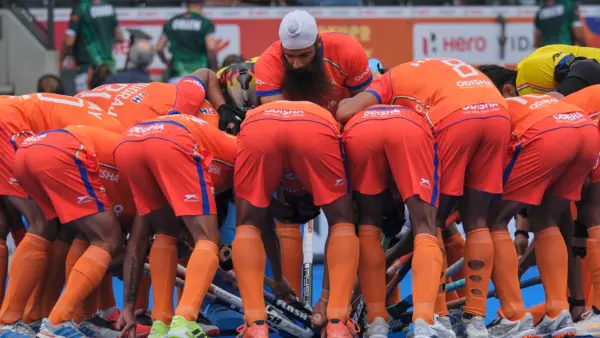
The Indian men’s hockey team could do with a few lessons from those 5 am sessions.
Time and again, India have paid the price for being too soft. This World Cup has exposed that weakness again.
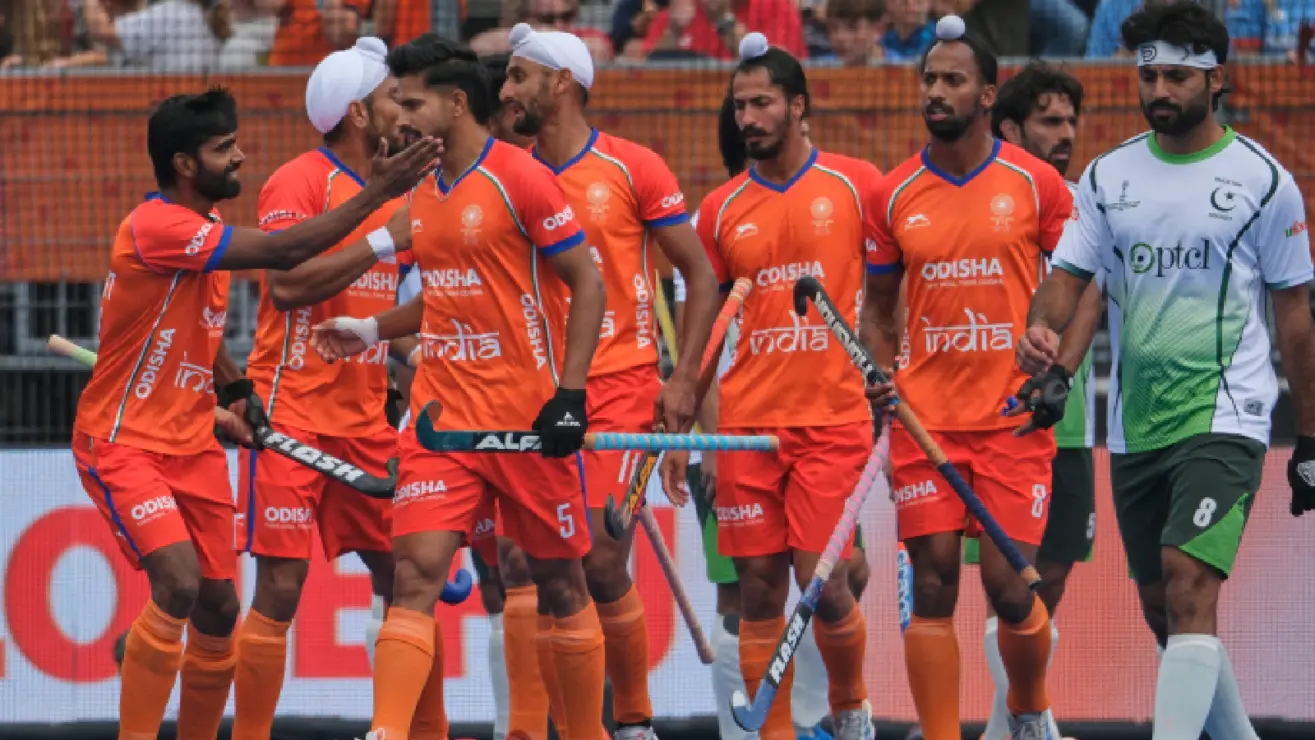 India’s players celebrate after scoring during the World Cup Field Hockey pool D match between India and Pakistan in Amstelveen, Netherlands, Wednesday, Aug. 19, 2026. (AP Photo/Patrick Post)
Craig Fulton has roped in Paddy Upton to help turn India into mentality monsters. To his credit, Upton has helped the players shed some of their fear and play with greater freedom. But playing without fear and playing with aggression are not quite the same thing. India need the former. They could do with a lot more of the latter.
Across Tokyo 2021 and Rourkela 2023, Paris 2024 and now Amsterdam, a pattern has emerged. Against the best sides – particularly those willing to turn matches into physical, confrontational contests – India have too often allowed themselves to be pushed around. When the game has demanded a fight, they have sometimes been too willing to absorb the pressure rather than impose themselves on the opposition.
Holding them back
It was easier to overlook in Tokyo. Reaching the Olympic semifinal, and eventually ending a 41-year medal drought, was significant. But even there, the limitations showed up against Belgium, who outmuscled India in the semifinal.
The problem resurfaced at the 2023 World Cup in Rourkela. India had their moments but, against New Zealand in the crossover game, were unable to force the issue when it mattered, eventually losing in the shootout. In Paris, against Germany in the semifinal, India again found themselves in a bruising, high-stakes contest against a side prepared to match their skill with physicality and game management.
And this issue has been impossible to ignore at the ongoing World Cup. Against England, India allowed the match to descend into the kind of chaotic, physical contest that suited their opponents. The Netherlands, meanwhile, imposed themselves on the game – harried India in midfield, hurried them into turnovers – and Fulton’s side was unable to wrestle back control when the match began slipping away.
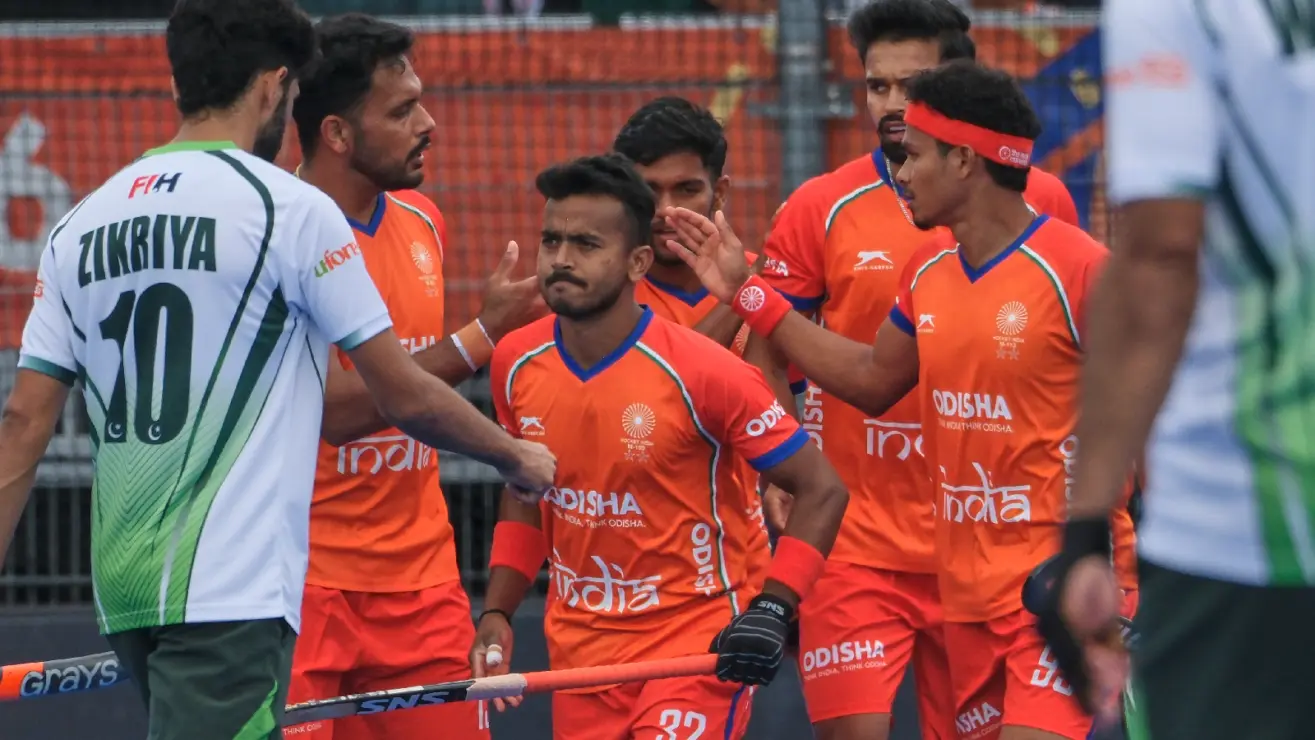 India’s players celebrate after scoring during the World Cup Field Hockey pool D match between India and Pakistan in Amstelveen, Netherlands, Wednesday, Aug. 19, 2026. (AP Photo/Patrick Post)
This aggression isn’t just physical. It translates into how the teams play – when the Netherlands, for instance, are on song, the ball automatically starts moving faster, the shots have more sting and the rhythm can easily overrun an opponent.
For India, the meekness is not a recent phenomenon.
Graham Reid spotted it within weeks of taking charge as head coach. The Aussie found players with the fitness and skill, sharp game sense and hunger to improve. But there was also what he called a “gentleness” – an admirable quality away from the field that could become a disadvantage on it.
“I think because Indian people are so nice, there is a gentleness to Indians that I love. But on a hockey field, that’s a disadvantage,” Reid had told The Indian Express in an earlier interview. “It’s a matter of getting them to understand that you can do both.”
The lack of ruthlessness, Reid felt, was particularly visible inside the circle. During training, he noticed that some players were reluctant to take a shot because they did not want to hurt a teammate. “I don’t want to take a shot because my friend will be hit,” was how he described the mindset.
Unleash the inner mongrel
That is where India need to find their inner Sindhu.
Not literally, of course. Hockey does not require players to scream between points or manufacture anger. But it does demand an edge – the willingness to tackle harder, contest every loose ball, take a hit if necessary, and, most importantly, stop being accommodating when the opposition try to turn the match into a physical battle.
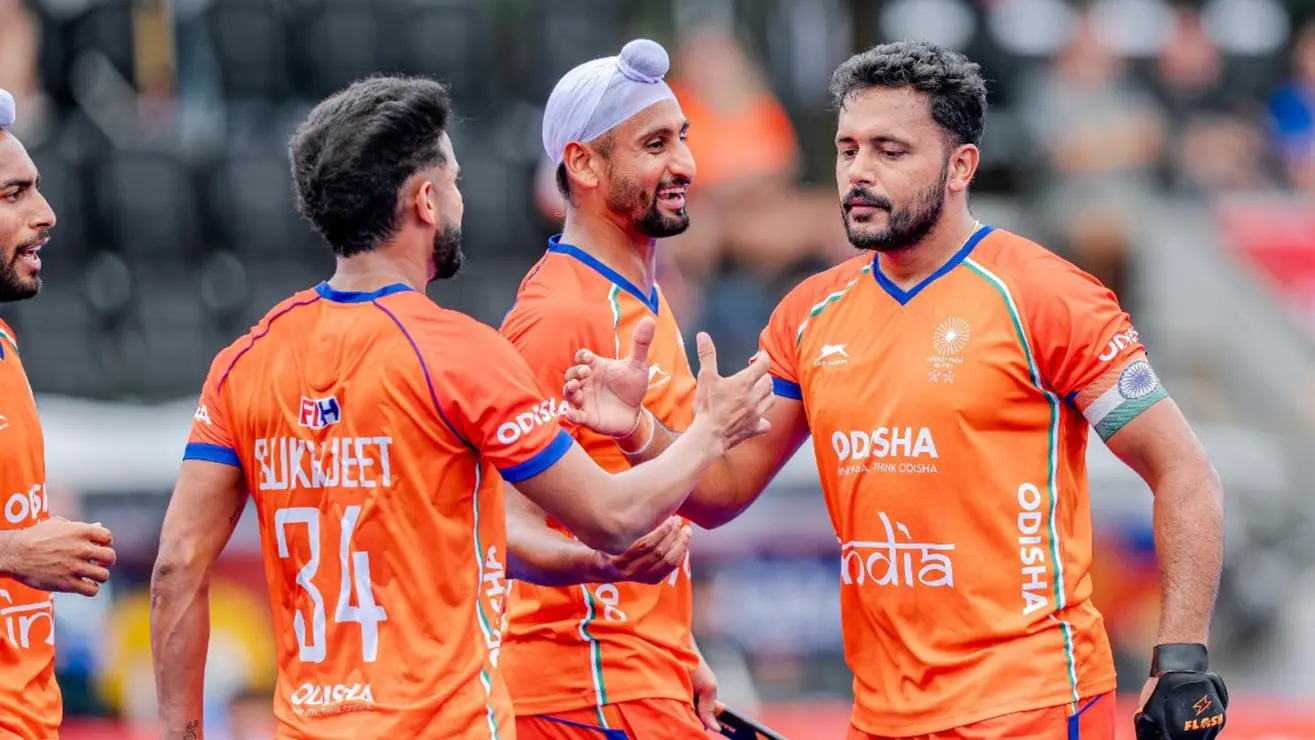 Harmanpreet Singh netted a brace as India started their men’s Hockey World Cup campaign with a 3-1 win over Wales. (Hockey India Photo)
PR Sreejesh did that. And as much as his goalkeeping, India are missing his personality on field. A goofy person off the field, Sreejesh transformed into Hulk on it and brought with him an energy that won India big games.
On Monday, they will need all of that against Argentina.
With their semifinal hopes now hanging by a thread, India face another opponent comfortable with confrontation and physical hockey.
For India, simply playing well may no longer be enough. They will have to be ruthless – in midfield, where such matches are often won and lost; in defence, where cheap turnovers can prove fatal; and in the circle, where hesitation can be the difference between a missed opportunity and a place in the semifinals.
Sindhu had all the shots before those 5 am sessions. What Gopichand wanted to change was what happened when the contest became uncomfortable.
India’s hockey players have the skill too. What they need now is an edge.