In principle, removing dissolved salts from seawater would produce freshwater. This process, known as desalination, is already used around the world to supply drinking water to coastal cities and water-stressed regions. One of the most widely used methods is reverse osmosis, in which seawater is forced through specialised membranes that separate much of the dissolved salt from the water.
However, desalinating the entire ocean would be practically impossible with current technology. The oceans contain an immense volume of water, and every litre of seawater contains approximately 35 grams of dissolved salts on average. Removing that quantity of salt would require extraordinary amounts of energy, infrastructure and time.
It would also create another enormous challenge disposing of or managing the concentrated brine left behind by the desalination process. If discharged improperly, this highly saline waste can harm nearby marine ecosystems. While desalination can help meet the water needs of cities and coastal communities, scaling it up to transform the entire ocean is not a realistic solution to the global water crisis.
A Freshwater Ocean Could Be More Dangerous Than It Sounds
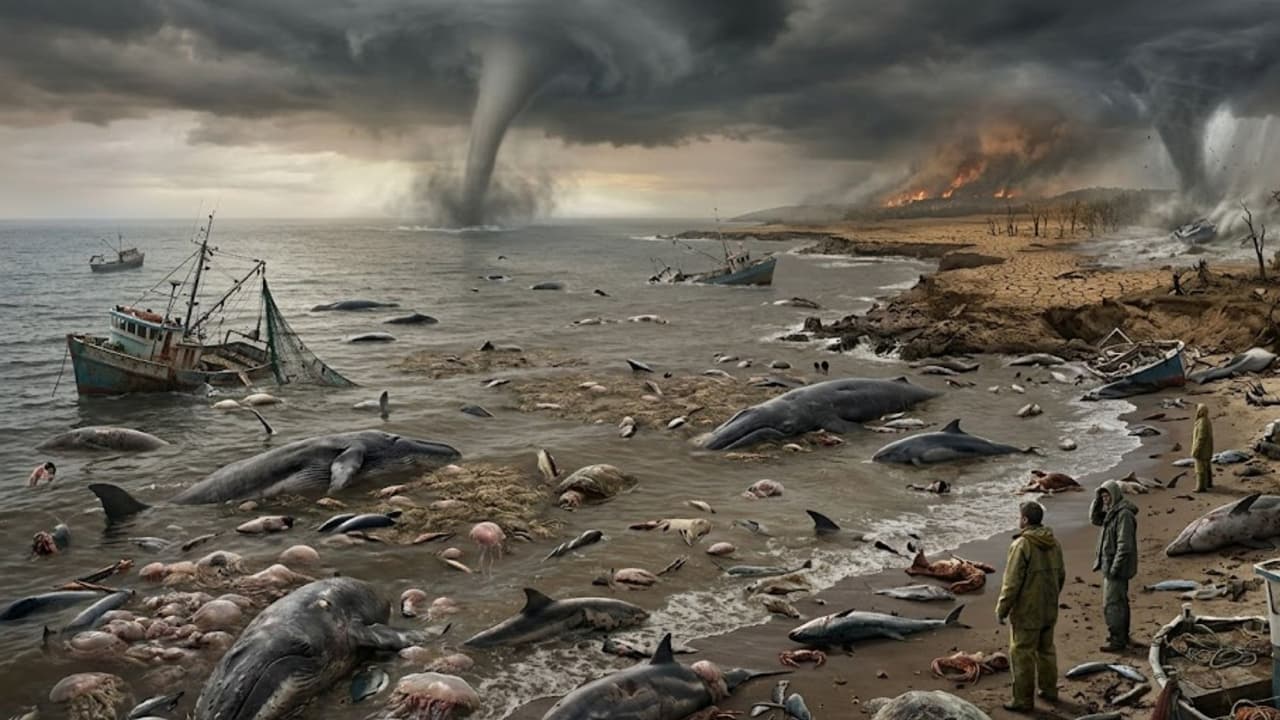
At first glance, turning the oceans into freshwater might seem like an ideal solution to the world’s drinking water shortage. In reality, ocean salinity is an essential part of the Earth’s interconnected environmental systems. A sudden disappearance of salt could threaten marine biodiversity, disrupt food webs, alter ocean circulation and affect climate patterns. The scale and severity of these consequences would depend on how the Earth’s physical and biological systems responded, but the potential risks would be enormous. Ultimately, the oceans salt content is not simply an obstacle to obtaining drinking water. It is a fundamental part of the natural balance that sustains life on Earth.