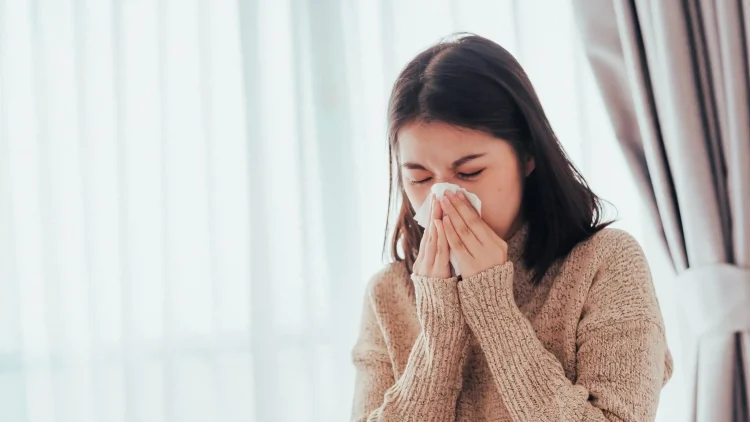
October often brings noticeable shifts in temperature, with warmer afternoons followed by cooler mornings and evenings. These fluctuations can coincide with complaints such as colds, coughs, sore throats, allergies and tiredness. Children, older adults, pregnant women and people living with asthma or other respiratory conditions may need to take additional precautions during such periods. A few everyday habits, including staying hydrated, eating balanced meals, getting adequate sleep and maintaining hygiene, can help support general health while the weather changes.
Keep drinking enough fluids
As temperatures become more comfortable, the sensation of thirst may decrease, but the body’s need for fluids does not disappear. Continue drinking water regularly throughout the day instead of waiting until you feel very thirsty.
Along with water, fluids can come from other suitable beverages and foods. The exact amount a person needs can vary depending on factors such as activity level, temperature and health conditions, so people with medical restrictions on fluid intake should follow their healthcare provider’s advice.
Choose a balanced everyday diet
Seasonal changes are a good time to pay attention to the overall quality of your meals. Include a variety of fresh fruits, vegetables, pulses, whole grains and protein-rich foods as part of a balanced diet.
Highly fried foods and foods containing excessive amounts of added sugar can be limited as part of healthy eating. Rather than relying on a single food or drink for protection against seasonal illnesses, maintaining varied and nutritious meals is a more practical approach to supporting overall health.
Dress according to the temperature
Temperatures can vary considerably between morning, afternoon and evening during seasonal transitions. Wearing clothing that can be adjusted according to the conditions can make these changes more comfortable.
If mornings and nights are noticeably cooler, keeping a light additional layer available can be useful. At the same time, avoid dressing too heavily during warmer parts of the day if it causes overheating or discomfort.
Maintain a regular sleep schedule
Adequate rest remains important when the weather changes. Try to maintain a consistent bedtime and wake-up schedule and allow enough time for sleep.
A regular sleep routine can support general wellbeing and help the body cope with everyday physical and mental demands. If persistent tiredness continues despite adequate sleep, it may be worth discussing the symptom with a healthcare professional rather than assuming that the weather is the only cause.
Pay attention to allergy triggers
Dust, smoke and pollen can trigger or worsen symptoms in people who are sensitive to them. If you already experience seasonal allergies, identifying and limiting exposure to known triggers may help reduce discomfort.
Keeping indoor spaces reasonably clean can also be useful. Dust bedding, curtains and carpets regularly, particularly in homes where someone has a known dust allergy. Good ventilation should also be considered according to local air-quality conditions.
Hand hygiene can help reduce infections
Regular handwashing remains a simple hygiene measure, particularly before eating and after returning home from public places. Wash hands thoroughly with soap and water when possible.
Avoid touching your face with unwashed hands, especially after being outdoors or using shared surfaces. These basic hygiene practices are useful throughout the year and become particularly relevant when respiratory illnesses are circulating.
Who should take extra care?
Children, older adults, pregnant women and people with asthma or other respiratory conditions may need additional attention during periods of changing weather. Parents and caregivers should monitor children for unusual or persistent symptoms rather than assuming every illness is simply seasonal.
If someone develops persistent high fever, difficulty breathing, chest pain or other severe symptoms, medical advice should be sought promptly. Seasonal changes can coincide with many different illnesses, so ongoing or serious symptoms should be assessed by a healthcare professional.