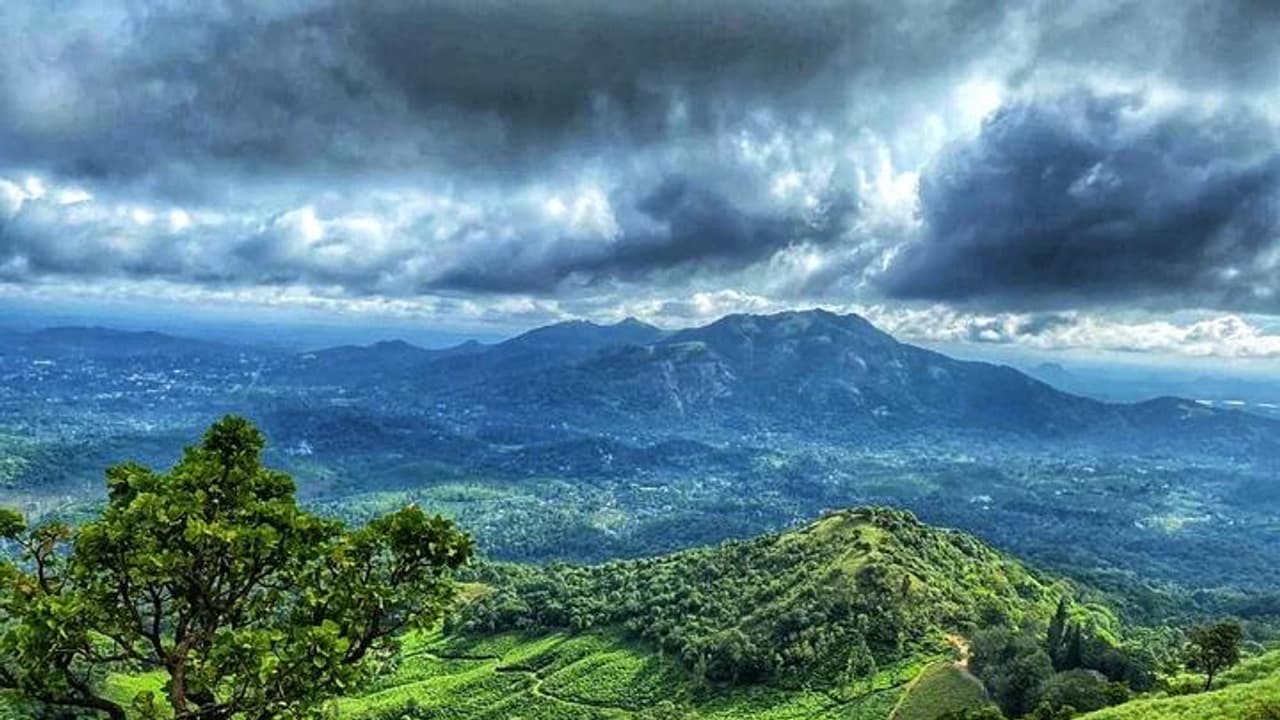
New observations from one of India’s most closely watched hill regions are raising concerns about changing weather patterns and what they could mean for farming, landscapes and daily life.
Wayanad, long celebrated for its cool climate, mist-covered hills and dependable rainfall, is showing signs of a changing weather pattern, according to data gathered through an extensive community-based monitoring network spread across the Kerala district.
Researchers at the Hume Centre for Ecology and Wildlife Biology in Kalpetta have been tracking rainfall and temperature across hundreds of locations since expanding their local weather-monitoring initiative after the floods and landslides of 2018 and 2019. Since 2024, the network has collected rainfall information from more than 200 sites using rain gauges and thermometers maintained with community participation.
The latest readings point to a noticeable rise in temperature. Between September 1 and 17, 2026, Wayanad recorded an average temperature of 29.2°C. During the same period, the averages stood at 27.3°C in 2023, 27.2°C in 2024 and 27.3°C in 2025. The latest figure was about 1.9°C higher than the average recorded over the previous three years.
The heat was not limited to isolated days. Maximum temperatures remained above 30°C for seven consecutive days between September 11 and 17, reaching 30.7°C on September 15. The highest temperature recorded this year was 34.4°C on April 18. Exposed soil temperatures climbed to 39°C during the first half of September, while rainfall was recorded only during four isolated events. Average minimum temperatures stood at 20.9°C.
Researchers caution that the concern extends beyond warmer days. The combination of elevated temperatures, hotter soils, reduced moisture and inconsistent rainfall points to a broader shift affecting a region whose forests, farms and settlements evolved around a cooler and wetter environment.
Wayanad occupies a vital position within the Nilgiri Biosphere Reserve and the wider Western Ghats ecosystem. The district supports numerous streams and river systems, including the Kabini, which originates in the region before flowing into Karnataka and eventually joining the Cauvery basin.
Agriculture and livelihoods face growing uncertainty
Agriculture has historically depended on predictable monsoon cycles that replenished water sources and maintained soil moisture. Coffee, pepper, arecanut and paddy cultivation developed around established patterns of rainfall, sunshine and cool nights.
Tourism benefited from the same climatic conditions. Visitors frequently sought relief from heat in Kerala’s plains by travelling to Wayanad for cooler weather, a defining characteristic that shaped the district’s image.
According to Hume Centre director C K Vishnudas, rising temperatures and shrinking soil moisture reserves could create serious challenges. He warned that groundwater levels may decline rapidly, potentially affecting water availability and increasing stress on crops, particularly paddy.
The concern is linked to changing weather reliability rather than temperature alone. Crops such as coffee require specific sequences of rainfall and dry conditions for flowering and development. Pepper and arecanut also depend on stable moisture availability during key growth stages.
Researchers recently observed a coffee plant flowering in September, while flowering in Wayanad is typically associated with the period from December to February. Although a single observation does not establish a trend, it has attracted scientific interest.
Previous studies have already highlighted climate vulnerability in the district’s coffee sector. Research involving coffee-growing households and Robusta farms found that changing rainfall and temperature patterns pose significant risks to productivity. One study projected a median decline of around 12 per cent in Robusta yields in Wayanad at the regional scale under a scenario of 2°C global warming.
Scientists say the district may increasingly experience prolonged dry spells followed by intense rainfall episodes. The 2024 Mundakkai-Chooralmala landslide illustrated how extreme rainfall events can become more intense in a warming climate.
Beyond farming, rising temperatures may affect human health, livestock and wildlife. Researchers note that land-use changes, including the growth of built-up areas and the decline of agricultural and paddy lands, could further intensify warming.
While September’s temperatures alone cannot confirm a permanent climate shift, the growing dataset from Wayanad’s community weather network is providing an increasingly detailed warning that conditions are changing and deserve close attention.