New Delhi: Since the escalation of Iran’s war with the US-Israel alliance, traffic in the pivotal maritime checkpoint Strait of Hormuz has thinned considerably, even being non-existent at some points of time. With Iran essentially closing the Strait at the peak of military escalations, blockades continue still.
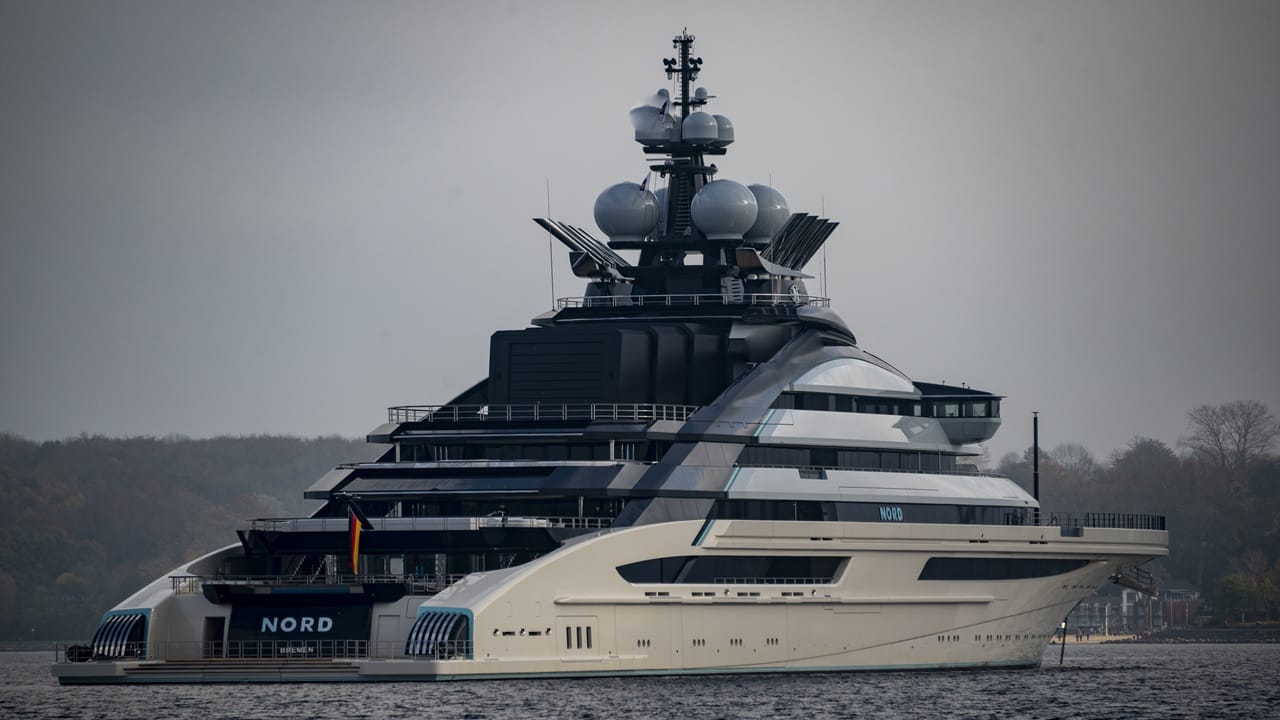
Meanwhile, a superyacht linked to sanctioned Russian billionaire Alexey Mordashov, said to be a close aide of Russian President Vladimir Putin, has reportedly sailed through the Strait of Hormuz, despite the current uncertain situation amidst blockade.
Special pass
According to MarineTraffic data, the superyacht that goes by the name ‘Nord’, valued at more than USD 500 million, left a marina in Dubai on Friday afternoon. It then crossed the strait on Saturday morning and arrived in Muscat early on Sunday.
This comes at a time when Iranian Foreign Minister Abbas Aragchi arrived on Monday in Russia for a meeting with President Vladimir Putin. Iran and Russia share close ties, be it economical or military. Mordashov, who is known to be close to Putin, is not officially listed as Nord’s owner. However, shipping data and Russian corporate records from 2025 show that the yacht was registered in 2022 to a Russian company owned by his wife.
Current status of Hormuz
The Strait of Hormuz remains operational but the situation remains tense. Nonetheless there is not a full closure to global shipping as of now.
Tanker traffic continues to pass through the narrow waterway, which carries a significant share of the world’s oil, but under heightened security. Due to ongoing regional frictions, particularly involving Iran and its Western rivals, principally the US, Israel and its backers, a blockade persists. Naval patrols by the United States Navy and allied forces have also increased recently. As a result of the military tensions, and countering blockades from opposing players, daily vessel transits have fallen considerably, from around 125 to 140 a day before the war began on February 28.