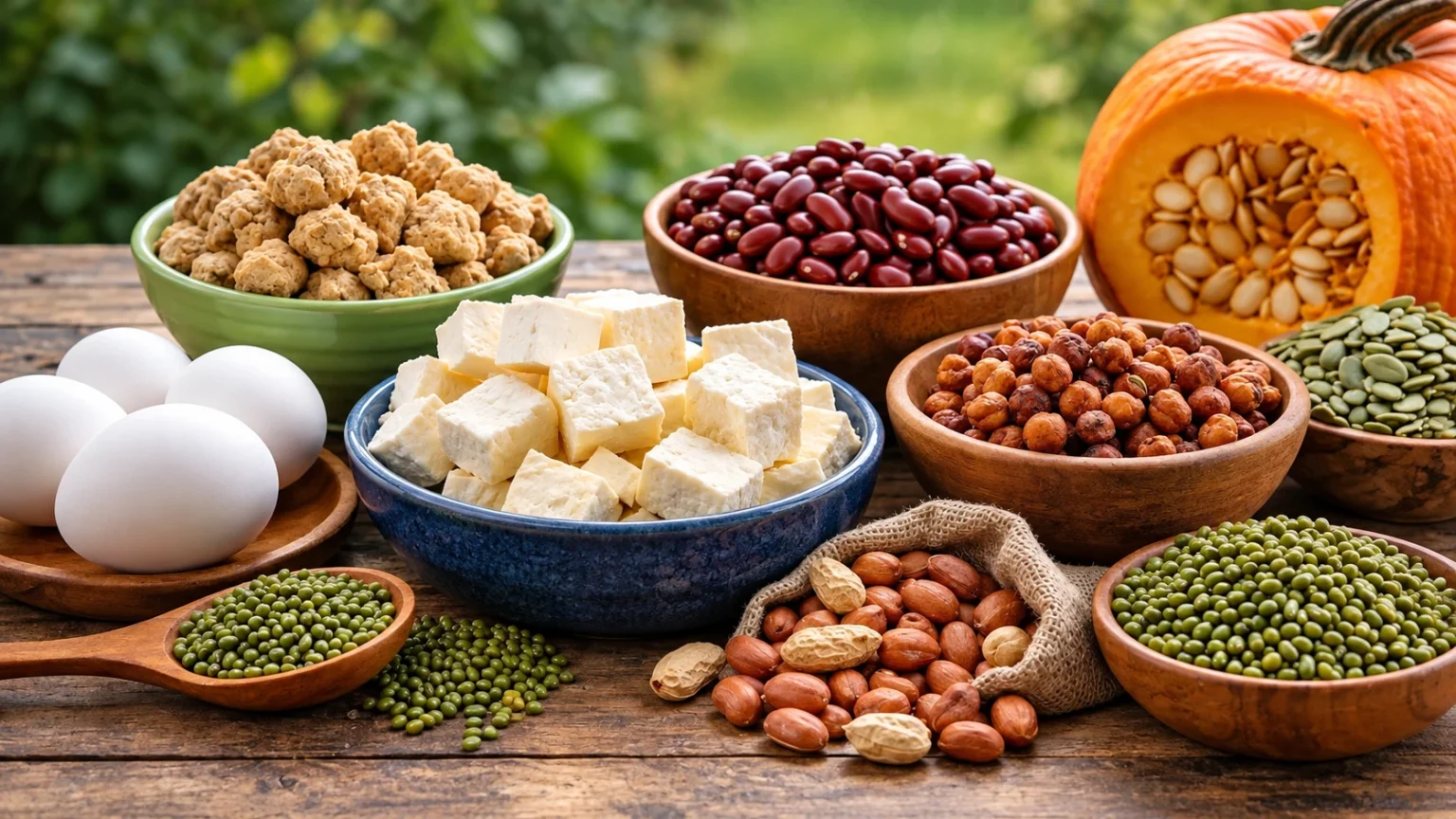
Protein is often associated with gym workouts and muscle building, but its role in the body goes far beyond fitness. It is needed for the growth and repair of tissues and is involved in the production of enzymes, hormones and other essential substances. People who eat meat can turn to foods such as eggs and chicken, while vegetarians may need to pay closer attention to the variety of protein sources in their meals. Gastroenterologist Dr Saurabh Sethi has highlighted several vegetarian foods that can help increase protein intake, including Greek yoghurt, soy chunks, paneer, tofu, lentils, beans and chickpeas.
Why protein is important for the body
Protein is a macronutrient made up of amino acids. The body uses these amino acids for several important functions, including building and repairing cells and tissues.
Muscles are one of the best-known examples, but protein is also involved in the structure and maintenance of skin, hair, nails and other tissues. Various proteins also play an important role in immune function, while enzymes and hormones involved in normal bodily processes depend on proteins.
This makes adequate protein a part of overall nutrition rather than something required only by people who exercise regularly.
Greek yoghurt offers protein with probiotics
Greek yoghurt can be a convenient vegetarian protein source. The source content states that it provides about 10 grams of protein per 100 grams.
Unlike regular yoghurt, Greek yoghurt is strained to remove some of its liquid, giving it a thicker consistency. It can also contain probiotics, which are associated with supporting gut health.
It can be eaten on its own or added to meals and snacks, depending on individual dietary preferences.
Soy chunks are a concentrated plant protein
Soy chunks are another option for people looking to increase their plant-based protein intake. According to the information shared by Dr Sethi, 100 grams of dry soy chunks can provide around 50 grams of protein.
They also contain leucine, an essential amino acid involved in muscle protein synthesis. Soy chunks can be incorporated into a variety of dishes, including patties, wraps, curries and other breakfast or meal preparations.
Since the nutrition figures refer to dry soy chunks, the protein content by weight will be different after cooking because the product absorbs water.
Paneer, cottage cheese and tofu provide variety
Paneer and tofu can also be useful additions to a vegetarian diet. The source lists approximately 10 grams of protein per 100 grams of paneer and around 10 grams per 100 grams of tofu.
Cottage cheese is listed at approximately 11 grams of protein per 100 grams. Actual nutritional values can vary depending on the brand, preparation method and product composition.
People watching their calorie or fat intake should also consider the type and quantity of paneer they consume, as some varieties can contain a considerable amount of fat and calories. Lower-fat versions may be an option for those trying to reduce overall calorie intake.
Lentils, beans and chickpeas add protein and fibre
Lentils, beans and chickpeas may not always provide as much protein per serving as concentrated sources such as soy chunks, but they bring another advantage: they also contain dietary fibre.
Their nutritional composition varies considerably depending on the specific food and whether it is measured dry or after cooking. Cooking also changes the weight and volume because these foods absorb water.
Including different varieties of lentils, beans and chickpeas across meals can therefore add both protein and fibre to a vegetarian eating pattern.
Variety matters more than one single food
For vegetarians, meeting protein needs does not necessarily mean depending on one particular ingredient. Combining different foods across the day can make it easier to build a varied diet.
Greek yoghurt, soy products, paneer, tofu, lentils, beans and chickpeas each offer different nutritional profiles. Portion sizes and individual protein requirements also differ based on factors such as age, body size, activity level and health status.
Anyone with specific nutritional requirements or a medical condition should consider discussing their diet with a qualified doctor or registered dietitian rather than relying on a single food or nutrition claim.