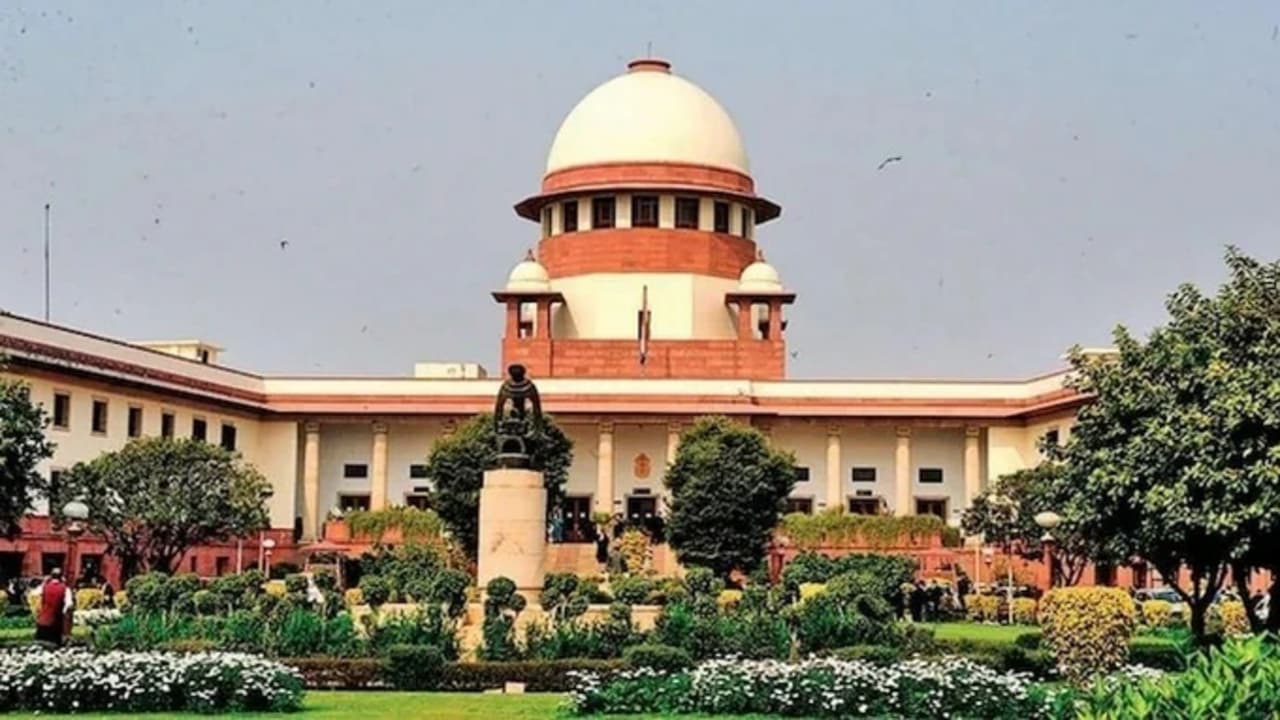
The Supreme Court of India has quashed a dowry harassment and cruelty case filed against an elderly couple from Uttar Pradesh’s Kanpur by their daughter-in-law, stating that vague and unsubstantiated allegations cannot form the basis for prosecution.
The Supreme Court of India has quashed a dowry harassment and cruelty case filed against an elderly couple from Uttar Pradesh’s Kanpur by their daughter-in-law, stating that vague and unsubstantiated allegations cannot form the basis for prosecution.
A bench comprising Justices B V Nagarathna and Ujjal Bhuyan stated that the complaint was filed nearly seven years after the alleged incidents, raising serious concerns over its credibility. The court underlined the importance of timely legal action, especially in sensitive matrimonial disputes where evidence can be scarce.
Coming down strongly on the lack of proof, the bench said, “The complainant and the prosecution have failed to put forth any material evidence or substance which supports the allegations contained in the FIR and the chargesheet. A mere statement that the accused/appellants herein frequently demanded dowry and harassed the complainant for the same is not sufficient to initiate criminal proceedings against them…”
The case was brought before the court through a petition filed by the elderly couple and their daughter seeking to quash the proceedings. The top court noted that the prosecution failed to justify the prolonged delay, casting doubt on the authenticity of the claims.
The court remarked, “We find that citizens who allege commission of an offence should not dawdle on their rights but should rather pursue them in real time in order to achieve the ends of justice — vigilantibus non dormientibus jura subveniunt, meaning the law protects those who are vigilant about their rights”.
The bench further stressed that delays in filing complaints, particularly in matrimonial or spousal disputes, can significantly weaken cases, as such matters often hinge on personal allegations that are difficult to substantiate without timely evidence.