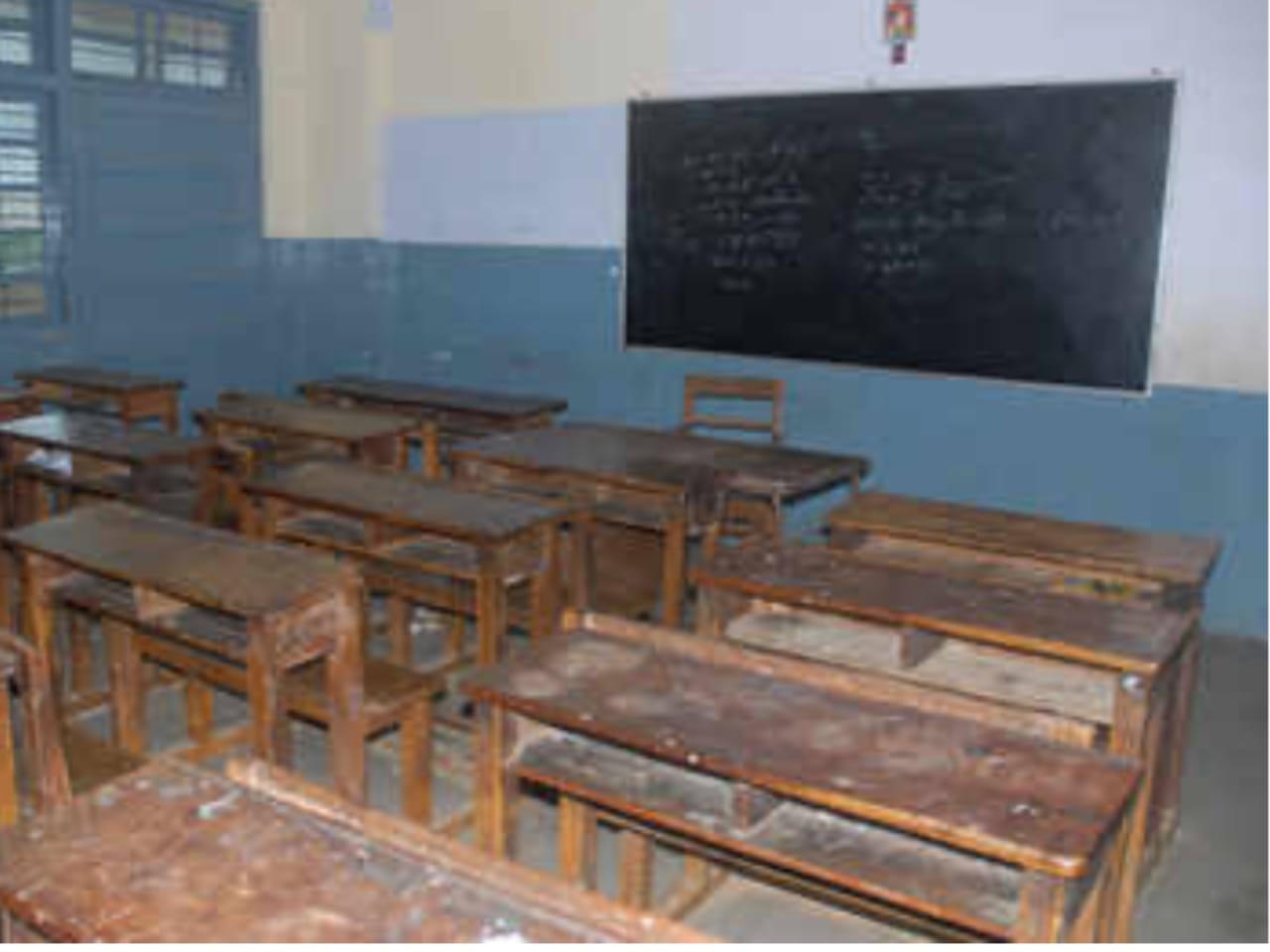
Dehradun: As summer intensifies in Uttarakhand, the state government has introduced new measures to protect schoolchildren from heat-related illnesses.
All schools will now implement a ‘water bell’ system, ensuring students stay hydrated at regular intervals.
Directive from Chief Secretary
Chief Secretary Anand Bardhan announced the initiative during a high-level meeting on heat wave preparedness. He stressed that student health must remain the top priority. Schools have been instructed to adjust timings if needed, improve ventilation in classrooms, and maintain adequate stocks of ORS and essential medicines.
Practical awareness for students
Bardhan directed schools to provide practical information to students on how to protect themselves from heatstroke. This includes advice on drinking water frequently, avoiding direct sunlight, and recognizing early symptoms of dehydration or heat exhaustion.
District-level measures
District magistrates have been asked to impose temporary bans on construction activities in areas facing water scarcity. Pure drinking water must be made available at bus stands and marketplaces. Each district has been instructed to prepare a heat action plan and identify hotspots for special monitoring.
Hospitals on alert
Hospitals across Uttarakhand have been directed to remain prepared for heat-related emergencies. Medical staff will be on standby to handle cases of dehydration, heat exhaustion, and heatstroke.
Rising temperatures in Uttarakhand
Dehradun recorded a maximum temperature of 35.4°C on Wednesday, three degrees above normal. On Tuesday, the temperature was 33.6°C. The Meteorological Centre has predicted a further rise of one to three degrees Celsius across the state over the next four to five days.
Broader impact
The rising heat mirrors trends across north India. Officials noted that while the measures in schools are immediate, coordinated efforts from state to village level are essential to tackle the broader challenges of heat waves. With temperatures expected to rise further, these measures aim to ensure student safety and reduce the risk of heat-related illnesses.