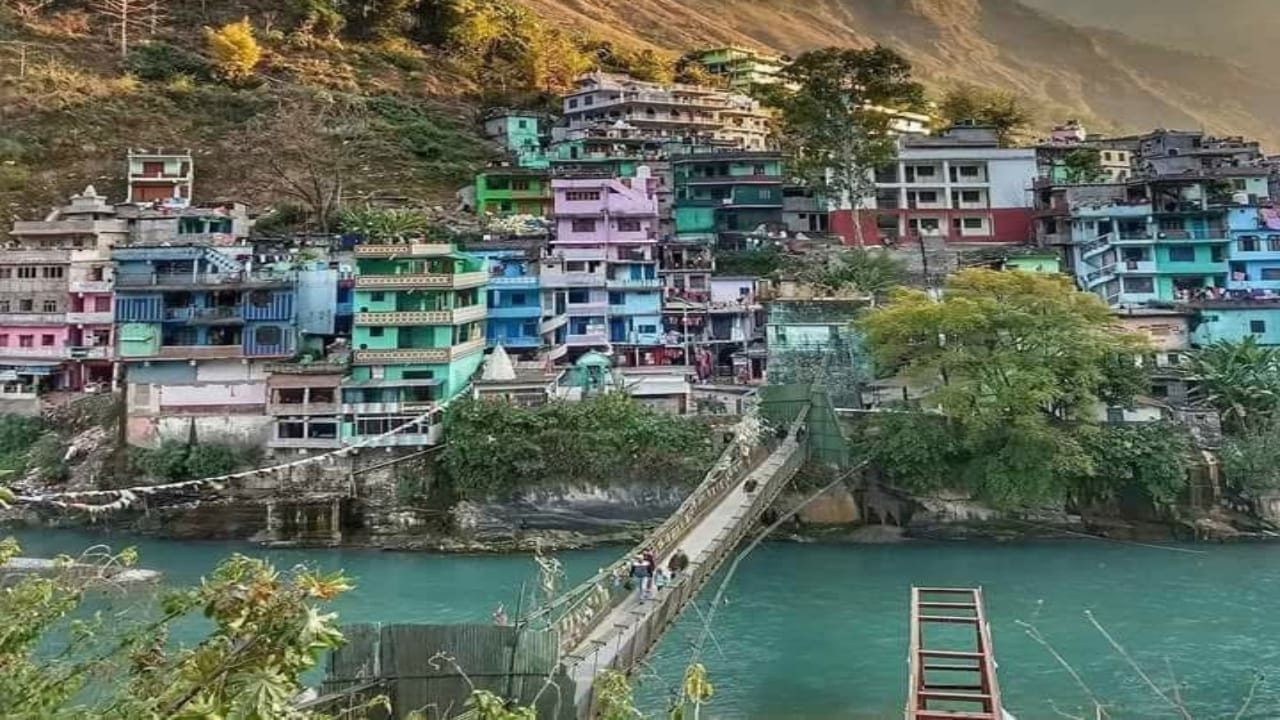
Pithoragarh: In view of the upcoming House of Representatives elections in Nepal, the India-Nepal international border will remain sealed for four days. From March 2 to March 5, 2026, all suspension bridges connecting Uttarakhand to Nepal will also be closed, stopping cross-border movement completely.
Additional District Magistrate Yogendra Singh confirmed that the decision was taken after a letter from the Chief District Officer of Darchula (Khalanga), Nepal. The temporary closure aims to ensure a peaceful, fair, and orderly election process in the neighboring country.
Security arrangements
Following instructions from the District Magistrate, police departments, sub-district magistrates of Pithoragarh, Didihat, and Dharchula, along with Sashastra Seema Bal (SSB) units, have been put on alert. Strict orders have been issued to maintain surveillance, conduct intensive checking, and ensure tight security at all border points and suspension bridges.
The administration has appealed to the public and traders not to plan cross-border travel during this period. Cooperation from citizens is considered vital to maintain order and avoid disruptions during the elections.
Uttarakhand’s border with Nepal
Uttarakhand shares a long border with Nepal, especially in districts like Pithoragarh, Champawat, and Udham Singh Nagar. These areas have several suspension bridges across rivers that act as lifelines for local communities. People use these bridges daily for trade, family visits, and cultural exchanges.
During normal times, these bridges allow smooth movement of goods and people, strengthening ties between border villages of India and Nepal. However, during sensitive events like elections, the bridges are sealed to prevent illegal activities, smuggling, or disturbances that could affect the democratic process in Nepal.
Suspension bridges and cross-border life
Suspension bridges in Uttarakhand are not just physical structures but symbols of connection between communities on both sides of the border. Farmers, traders, and families rely on them for daily needs. Closing them for four days will temporarily affect local trade and travel, but authorities say it is necessary for security.
Residents of border villages are accustomed to such closures during elections or special events. While it causes inconvenience, people understand the importance of maintaining peace and supporting Nepal’s democratic process.