Dehradun: On the occasion of World Minority Rights Day, CM Pushkar Singh Dhami outlined a series of initiatives being taken by the state government to strengthen education and social justice. Speaking at a programme organised at the Himalayan Cultural Centre, Dhami said that the government is committed to providing equal opportunities to all students, regardless of background.
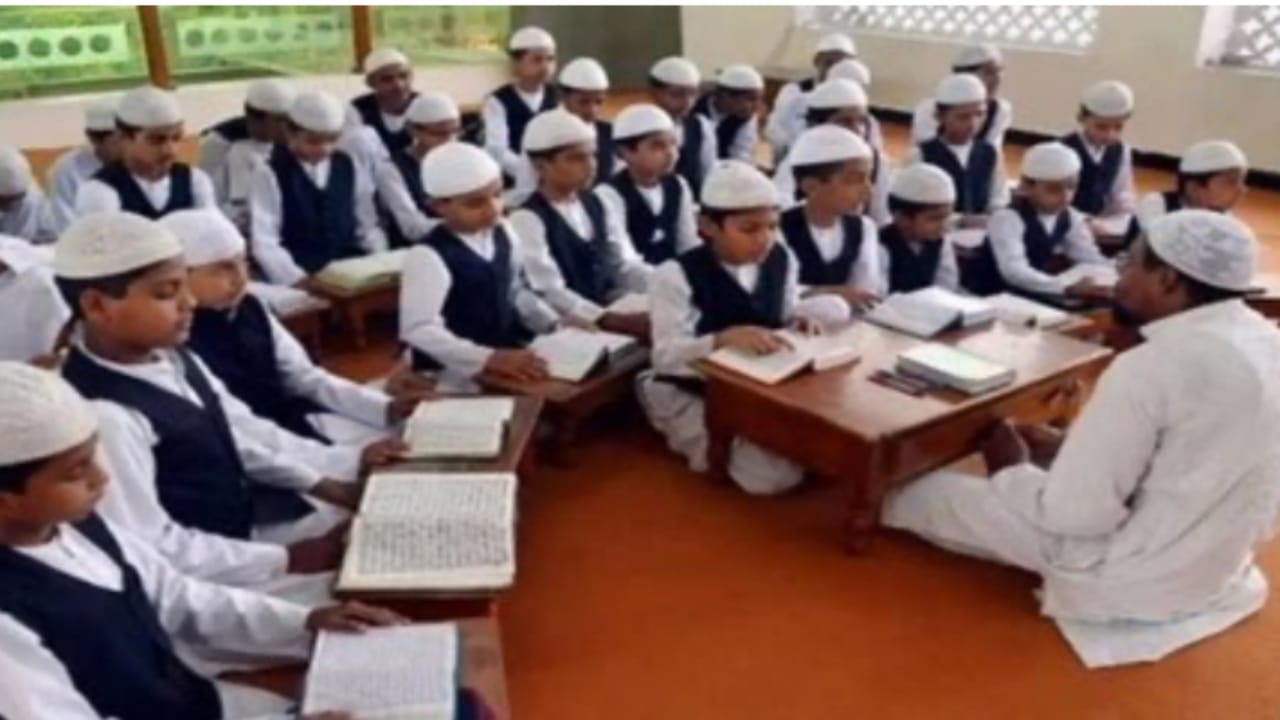
The chief minister announced that all madrasas and minority schools in the state will adopt the Uttarakhand Board syllabus, ensuring uniformity in education standards. He explained that a new minority education law has been implemented to provide quality education to children from minority communities, enabling them to compete on equal footing with others.
UCC is a landmark step
Dhami also highlighted the government’s decision to implement the Uniform Civil Code (UCC) in Uttarakhand, describing it as a landmark step that has shown the entire country a new direction towards social justice and equality. “By implementing the UCC, Uttarakhand has set an example for the nation, demonstrating our commitment to fairness and inclusivity,” he said.
Incentives for minority students
The Chief Minister further announced that under the Chief Minister Minority Incentive Scheme, financial assistance is being provided to minority students preparing for various competitive examinations. He said the scheme is designed to encourage students to pursue higher education and professional careers, thereby improving representation and opportunities for minority communities.
Broader vision
Dhami emphasized that these measures are part of a broader vision to modernize education in Uttarakhand and ensure that no student is left behind. He reiterated that the government is taking “many important steps in the interest of students,” including curriculum reforms, financial support, and infrastructure development.
Officials present at the event said the implementation of the Uttarakhand Board syllabus in madrasas will help integrate students into mainstream education, while still respecting cultural and religious traditions.