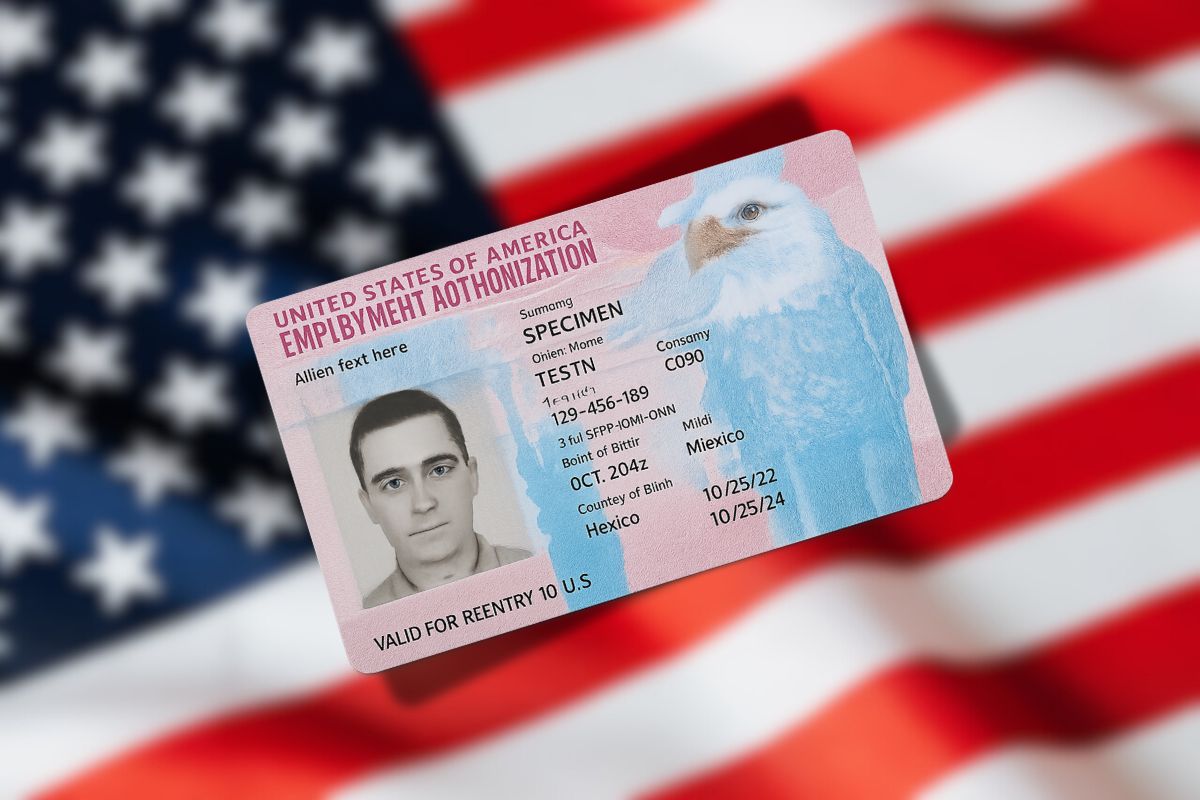
If you’re planning to work in the United States using an Employment Authorization Document (EAD), there’s an important update you should know.
U.S. Citizenship and Immigration Services (USCIS) has reduced the validity period for many EAD cards. The idea is to check applicants more often and make sure only those who meet security and eligibility rules continue to work legally in the country.
What This Really Means
USCIS said the move is meant to improve its vetting process and reduce fraud. By reviewing workers’ eligibility more regularly, the agency hopes to catch potential security issues earlier and ensure everyone authorized to work in the country continues to meet all requirements.
USCIS Director Joseph Edlow explained that reducing the validity periods will help protect public safety and allow more frequent background checks. The update follows concerns raised after a violent incident involving a foreign national in Washington, D.C.
New Validity Period for Key Groups
The maximum validity for both first-time and renewed Employment Authorization Documents (EADs) is going back to 18 months, instead of 5 years, for the following categories:
- Refugees
- People granted asylum
- People granted withholding of deportation or removal
- People with pending asylum or withholding cases
- People with pending green card (adjustment of status) applications
- People with pending cases for suspension of deportation, cancellation of removal or NACARA relief
This applies to anyone with an EAD application pending or filed on or after December 5, 2025, under these categories.
Other Groups Will Get Even Shorter EADs
According to a law passed on July 4, 2025 (H.R. 1), some categories will receive only one year of validity or until their parole/TPS period ends if that time is shorter.
This affects:
- Paroled refugees
- People granted Temporary Protected Status (TPS)
- People granted parole
- People with a pending TPS application
- Spouses of entrepreneur parole recipients
These rules apply to any Form I-765 pending or filed on or after July 22, 2025.
Final Thoughts
If you belong to one of these groups, be ready for more frequent renewals. Planning ahead will help avoid gaps in employment, especially if you’re working in the United States on a temporary status.
Follow and connect with us on Facebook, Twitter, LinkedIn, Instagram and Google News for the latest travel news and updates!