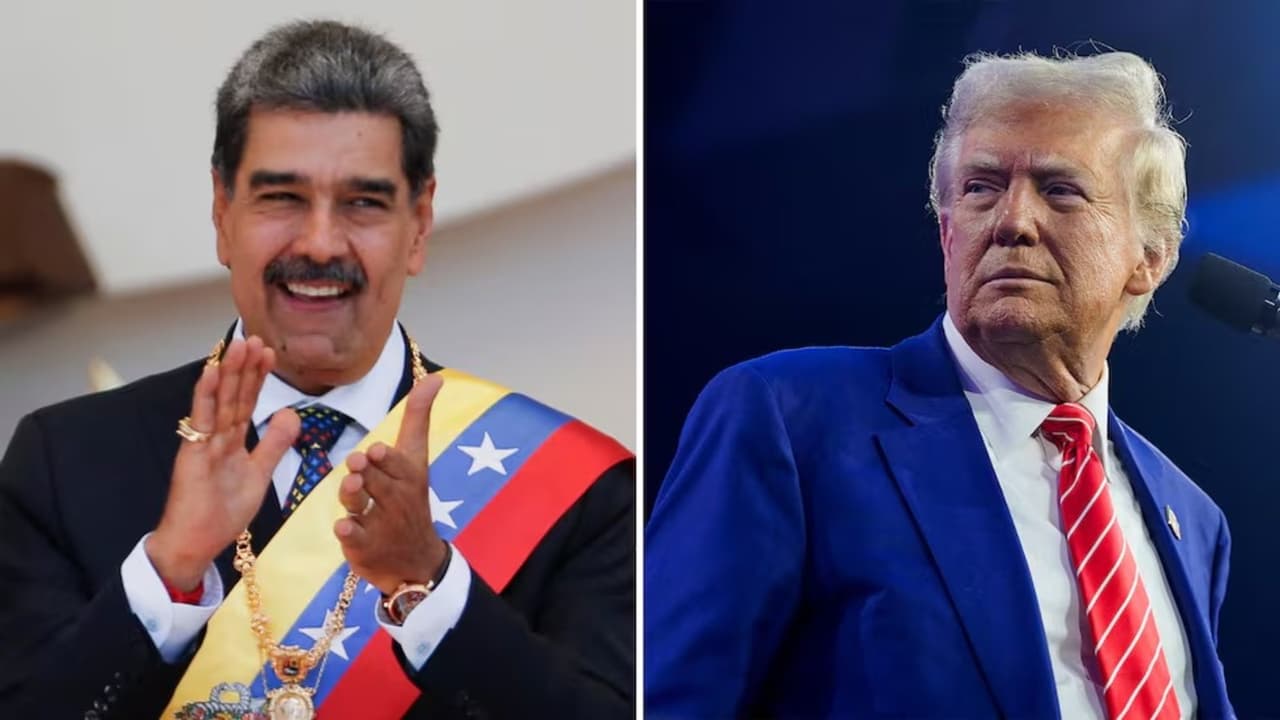
<p><strong>US Strikes Venezuela: A surprise US strike in Caracas has led to the arrest of Venezuelan President Nicolás Maduro and his wife, triggering global panic, legal outrage, and fierce debate over whether Washington crossed a red line in international law</strong></p><img><p>In a dramatic pre-dawn operation, US forces launched a large-scale strike on Caracas, triggering explosions, air activity, and widespread panic. President Donald Trump later announced that Venezuelan President Nicolás Maduro and his wife, Cilia Flores, had been captured. At least 40 people were reported killed, prompting Venezuela to declare a nationwide emergency and deploy security forces across the country.</p><img><p>Soon after the operation, US Attorney General Pam Bondi released an unsealed indictment accusing Maduro of narco-terrorism, cocaine trafficking conspiracies, and weapons offences. Trump claimed Maduro ran a “narco-terrorist organisation” and shared images showing the Venezuelan leader in custody. Secretary of State Marco Rubio defended the action as a law-enforcement measure rather than a traditional military operation.</p><img><p>The operation has triggered strong reactions within the US political system. Critics argue that an armed incursion into a sovereign nation cannot bypass Congress. Senior Democrat Jim Himes demanded an immediate briefing, questioning both the legal basis of the strike and Washington’s plan to prevent regional instability.</p><img><p>Legal experts have warned that the strike may violate the UN Charter, which prohibits the use of force against another state’s sovereignty. Scholars argue the action lacks justification under self-defence or UN Security Council authorisation. Some have gone as far as calling the raid a “crime of aggression,” one of the gravest violations under international law, intensifying global concern over US precedent-setting behaviour.</p>