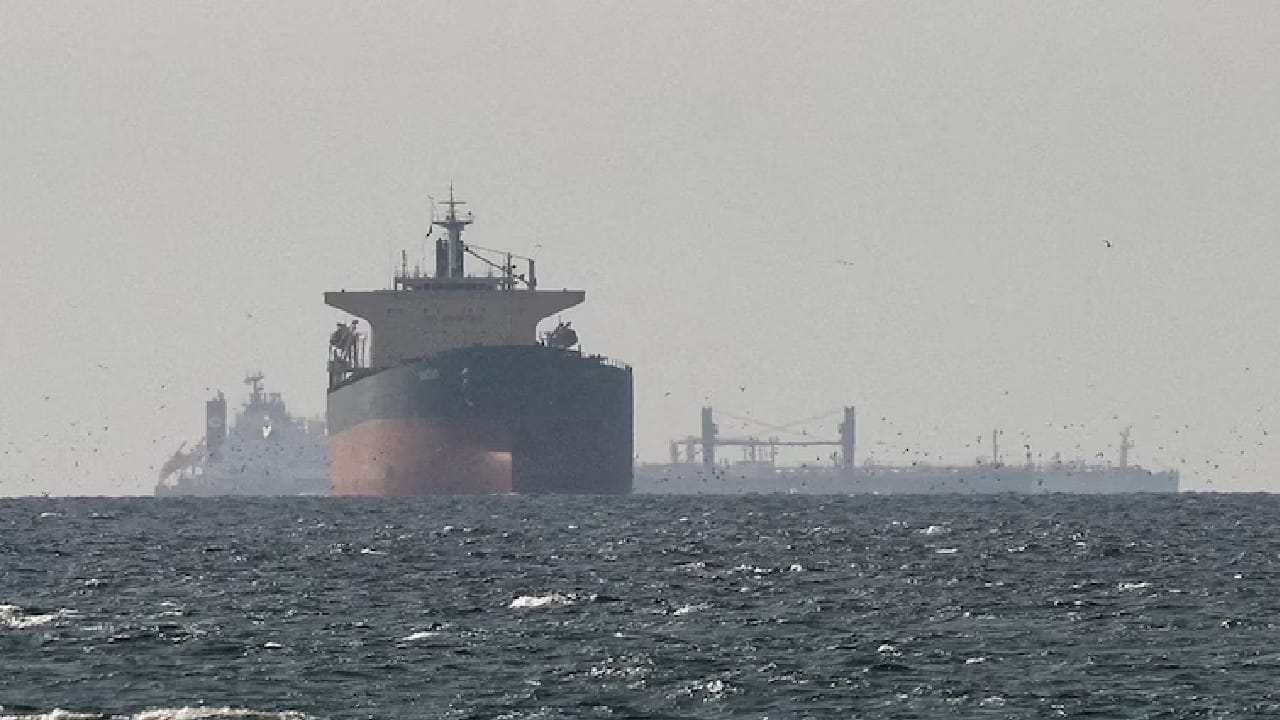
New Delhi: Amid soaring gas prices, the US on Friday temporarily paused sanctions on Iranian oil already loaded on vessels. The Trump administration’s decision comes as it scrambles to contain the impact of its war in Iran on global energy markets.
The US Treasury announced the issuing of a narrowly tailored, short-term authorisation permitting the sale of Iranian oil currently stranded at sea. Treasury Secretary Scott Bessent said that the authorisation allows for the delivery and sale of Iranian crude oil and other petroleum products loaded onto ships before March 20 and will last through April 19.
Bessent, in a statement, said that authorisation follows President Donald Trump’s intention to “maximize the flow of energy to the world” and ensure market stability.
“At present, sanctioned Iranian oil is being hoarded by China on the cheap,” Bessent said in a statement.
“By temporarily unlocking this existing supply for the world, the United States will quickly bring approximately 140 million barrels of oil to global markets, expanding the amount of worldwide energy and helping to relieve the temporary pressures on supply caused by Iran.”
The authorisation, however, does not apply to deliveries of oil to Cuba, North Korea, or Russian-occupied areas of Ukraine.
Tehran, meanwhile, said Friday it had no surplus crude oil left to offer to international markets and that the US Treasury’s move is aimed at “giving hope to buyers”.
“Currently, Iran basically has no surplus crude oil left on the water or for supply in other international markets, and the US treasury secretary’s statement is solely aimed at giving hope to buyers,” Iranian oil ministry spokesman Saman Ghoddoosi wrote on X.
Global oil prices have seen a sharp jump since the war between US-Israel and Iran began. Following the February 28 US-Israel joint strikes, Iran attacked energy infrastructure in several Gulf nations and blocked the Strait of Hormuz, through which 20 percent of the world’s oil and gas normally flows, sending crude oil prices soaring.