Kolkata: The war between Iran and US-Israel combine has done which earlier conflicts didn’t venture to do. It has hit oil and gas assets, which experts apprehend will leave a gas crisis that could take years to heal. Consider a simple fact — it could take anywhere between three and five years to repair the damage inflicted on Qatar’s Ras Laffan plant following a drone attack. And this is just only one of a series of gas and oil assets being hit in the war that began on Feb 28. As a result, tens of millions of people in many countries can suffer for a prolonged stretch of time.
Gas fields and infrastructure damaged
A quick study of the gas assets being hit in the past three weeks reveal the following:
South Pars/North Dome Field: This is shared by Iran and Qatar. It is the world’s largest natural gas field
The gas field on Iran side was hit by Israel which impacted about 70% of Iran’s domestic gas production
The Qatar side of the field (Ras Laffan) was hit by Iran in retaliation which caused extensive damage including Pearl gas-to-liquids plant, which is the world’s largest LNG hub.
Habshan Gas Facility & Bab Field: Hit by drones and Abu Dhabi authorities had to shut down these facilities.
Shah Gas Field: This UAE asset was hit by Iranian drones and production had to be halted.
Saudi natural gas facilities: These were targeted by Iranian drones.
Saudi Aramco’s Ras Tanura refinery and Berri oil fields: These also came under missile and drone attacks
Less gas for the world
Natural gas is a fossil fuel that is put to multiple use across countries. Used as LPG, CNG and PNG, gases are used for generating electricity, heating and cooking, running industrial processes and also as fuel for automobiles. Natural gas is also used as essential feedstock in plants that produce fertilisers, plastics and chemicals. It is a cleaner source of energy compared to petrol and diesel.
Many companies in India have suffered disruption in production after imports of LNG stopped from Qatar which halted output following the attacks. There is no idea when these gas field will start working again.
As a result, analysts are saying that the present crisis can have worse outcomes compared to the 2022 energy crisis that followed Russia’s invasion of Ukraine. “We are now well on our way to a doomsday gas crisis scenario… Even once the war ends, the disruption to LNG supply could last for months or even years — depending how long it takes to repair the damage,” Saul Kavonic, energy analyst at MST Marquee was quoted in the media as saying.
Gas shortages are already visible in many countries, including India, where prices have also been raised. Toby Copson, a China-based portfolio manager at Davenport Energy told the media, “South and Southeast Asia are going to be the immediate casualties.” The warning from Morgan Stanley is stark too. It said that if the conflict stretches to three months, it could trigger the biggest LNG outage in the industry’s 50-year history.
LNG depends on just-in-time supplies
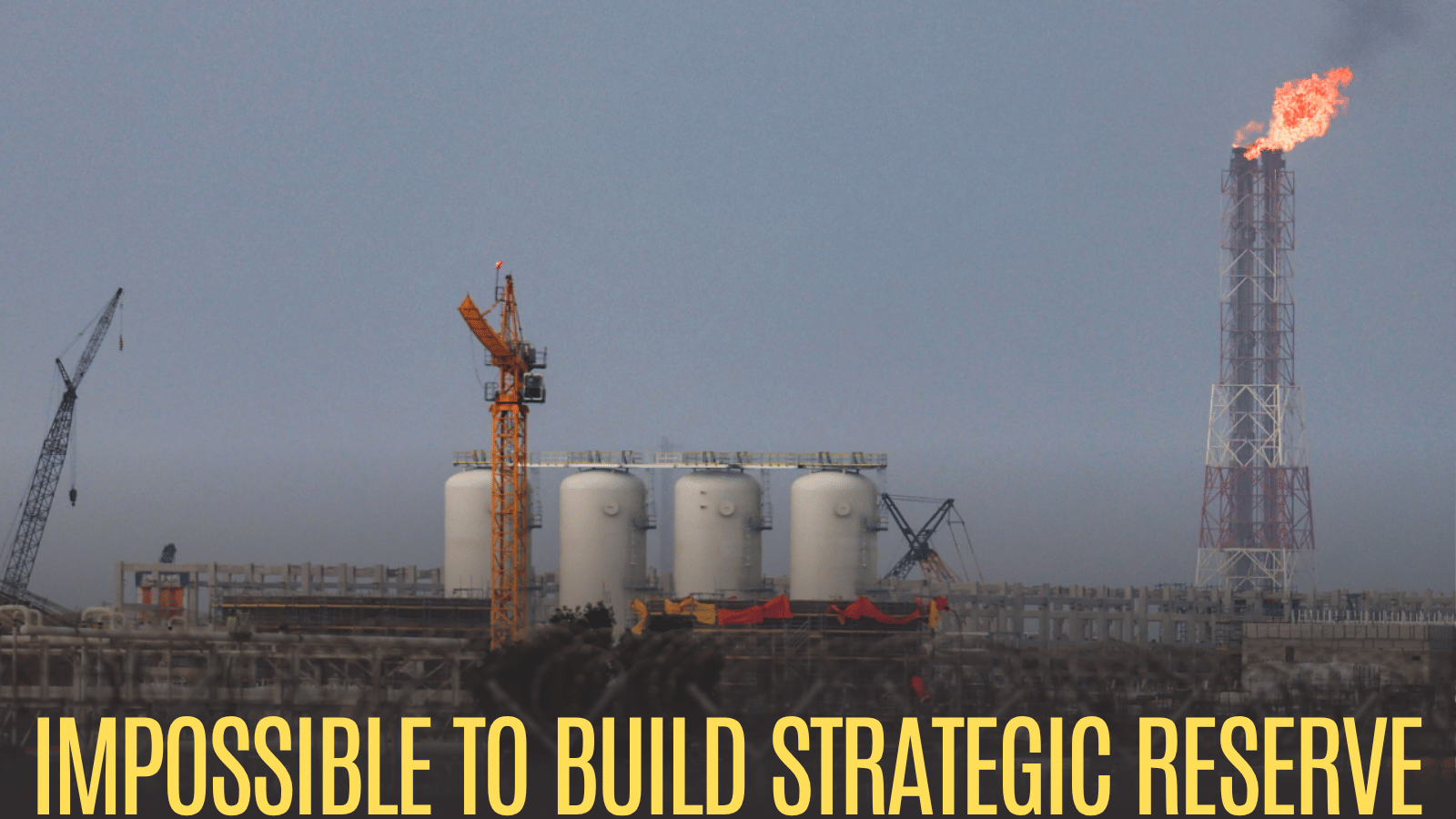
One of the problems with natural gas is that one cannot build strategic reserves as many countries do with crude oil. The market for LNG is growing fast but the supply depends on just-in-time deliveries. The entire delivery chain of natural gas requires specialised infrastructure and handling. The gas is super chilled before delivering over long distances by tankers. That’s why it is liquified and called LNG or liquified natural gas. From import terminals to delivery ships, everything in a gas ecosystem is specialised. Therefore, from production to delivery everything must follow in a continuous process.