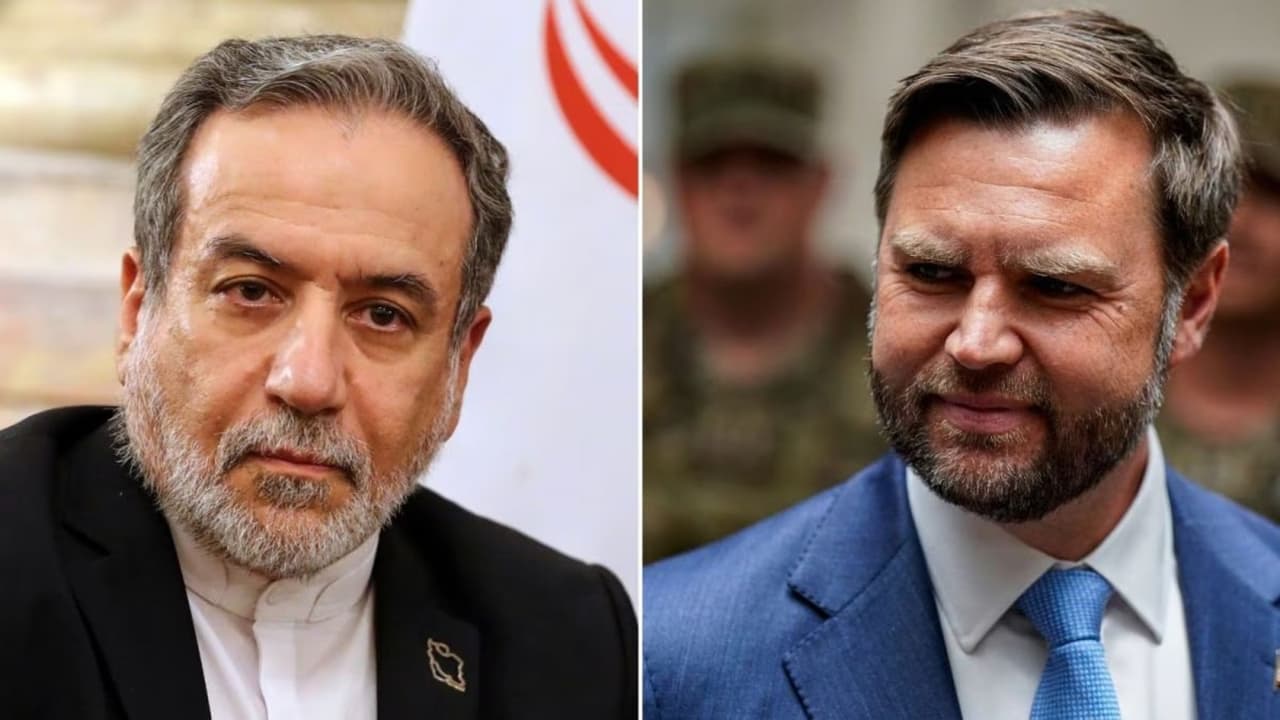
The United States and Iran are holding high-stakes negotiations in Islamabad, Pakistan, mediated by the host country. The talks, following a fragile ceasefire, are led by US Vice President JD Vance and Iranian Parliament Speaker Mohammad Baqer Qalibaf.
High-stakes negotiations between the United States and Iran are set to take place in Islamabad, Pakistan, in what could prove to be a decisive moment in the ongoing conflict. With a fragile ceasefire already in place, the talks are being viewed as a turning point that could either pave the way for peace or trigger further escalation.
Iran’s delegation, led by Parliament Speaker Mohammad Baqer Qalibaf, has already arrived in Pakistan, while US Vice President JD Vance is heading to Islamabad to lead Washington’s side. The discussions are being mediated by Pakistan, which has played a key diplomatic role in brokering the current two-week ceasefire between the two sides.
However, the talks face significant hurdles even before they begin. Tehran has made it clear that negotiations cannot proceed without key preconditions, including a ceasefire in Lebanon and the unfreezing of Iranian assets. These demands have added complexity to already strained relations, with the US signalling that not all regional issues may be part of the bilateral framework.
Also Read: Iran Delegation Led by Qalibaf In Pakistan For High-Stakes US Talks, Sets Strict Terms
Ahead of the talks, tensions remain high. US Vice President JD Vance issued a blunt warning to Iran, saying, “don’t play us,” underlining Washington’s cautious approach and the high stakes involved in the negotiations.
US President Donald Trump also struck a confident tone, dismissing the need for contingency plans if talks fail. “You don’t need a backup plan… Our military is amazing,” he said, emphasizing America’s position of strength as negotiations begin.
The backdrop to the talks includes ongoing regional instability, particularly in Lebanon, and the strategic importance of the Strait of Hormuz, where disruptions have impacted global energy supplies. Analysts warn that disagreements over sanctions, nuclear limits, and regional conflicts could derail progress.
As both sides enter negotiations with firm positions, the Islamabad talks are being closely watched worldwide. Whether they lead to a broader peace agreement or a renewed phase of conflict will likely shape the future of the Middle East in the coming weeks.
Also Read: Trump vows US won’t allow Iran to impose tolls on Hormuz Strait