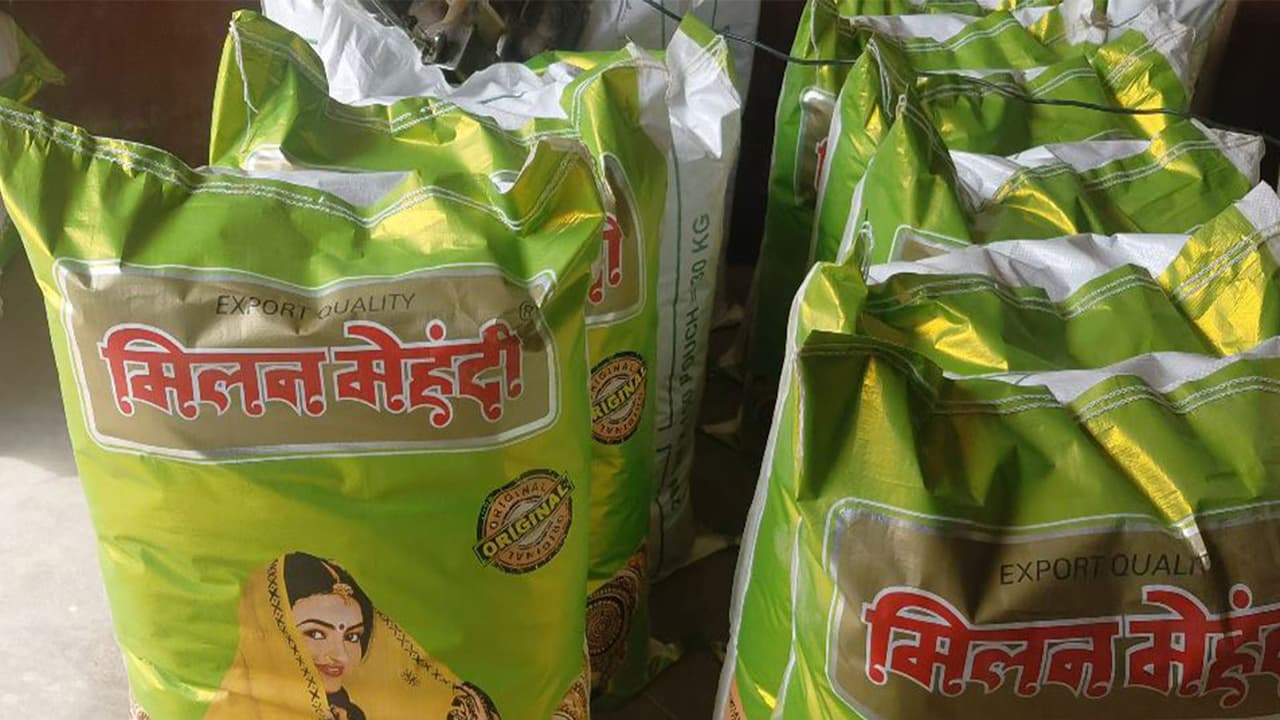
The US-Israel-Iran conflict has crippled Rajasthan’s Sojat mehendi industry. Exports are hit, production has dropped by 80%, and consignments worth ₹250 crore are stuck, bringing the ₹5,000 crore annual business to a near standstill.
The ongoing conflict involving the United States, Israel, and Iran has begun to impact Rajasthan’s globally renowned mehendi (Henna) industry in Sojat, with exports hit, production slowing, and crores worth of consignments stuck at ports.
Located in the Pali district, Sojat subdivision is uniquely known for its large-scale mehendi production, attributed to its distinct soil and climatic conditions. The region’s mehendi enjoys a strong reputation across India and abroad, widely used for adornment, religious rituals, and preferred by women, including leading Bollywood actresses.
The product has also gained international recognition, with usage extending to global markets. The product enjoys widespread popularity not only across India but also in international markets, including the Middle East, Africa, and parts of Europe.
Business Grinds to a Halt
However, traders say the continuing conflict has severely impacted business operations, with its ripple effects being felt across countries, cities and even rural markets. They said that even during the COVID-19 lockdown, business was not affected as severely as it is now due to the war.
Sojat has more than 150 factories, many of which have either slowed down or halted production. Exporters in Sojat have goods worth approximately ₹250 crore stuck at ports and warehouses. The industry, which has an annual turnover of ₹4,000-5,000 crore, has come to a sudden halt due to the conflict.
Production has dropped by nearly 80%, and the pace of operations in many factories continues to decline. Around 35 major factories specifically produce natural mehendi and hair dye for the Middle East, and due to reduced demand, production has fallen by up to 20%.
Exporters and Labourers Suffer
Mehendi trader Vikas Tank said nearly 20 per cent of the total stock is exported, primarily to Gulf nations, and the ongoing crisis has hit revenues hard.
“Labourers are also suffering, as factories that once operated 24 hours a day are now running only 12 hours. Workers from Uttar Pradesh and Bihar are returning to their hometowns due to reduced work,” he said. He added that the disruption has weakened revenue flows and delayed payments. “While mehendi continues to sell in the domestic market, export earnings–which fetched better prices and payments in dollars–have been severely affected,” he said, adding that Sojat’s mehendi is exported to countries such as Dubai, Algeria, Libya, Morocco and even colder regions across the world.
Logistical Nightmares Choke Supply Chain
Another trader, Naresh Kumar, said that Sojat’s mehendi is exported not only across India but also to the Middle East, Africa, Turkey and several other countries.
He pointed out that a major portion of exports is routed through Jebel Ali Port in Dubai, from where most shipments are routed. “Alternative routes are costlier, making this port crucial. Due to the war, trade has come to a standstill. Several containers are stuck en route, with no clarity on their status. Even attempts to retrieve them have not yielded results so far. Traders are hopeful that the conflict ends soon so that business can resume,” he added.
He further emphasised that Sojat’s mehendi enjoys global fame, noting that even Hollywood actresses use the product.
Background of the Conflict
The conflict in West Asia began following US-Israeli joint military strikes on Iran on February 28, which killed Iran’s 86-year-old Supreme Leader, Ayatollah Ali Khamenei. Tehran, in retaliation, targeted Israel and US assets in several Gulf countries, causing disruption in the waterways and affecting international energy markets and global economic stability. (ANI)
(Except for the headline, this story has not been edited by Asianet Newsable English staff and is published from a syndicated feed.)