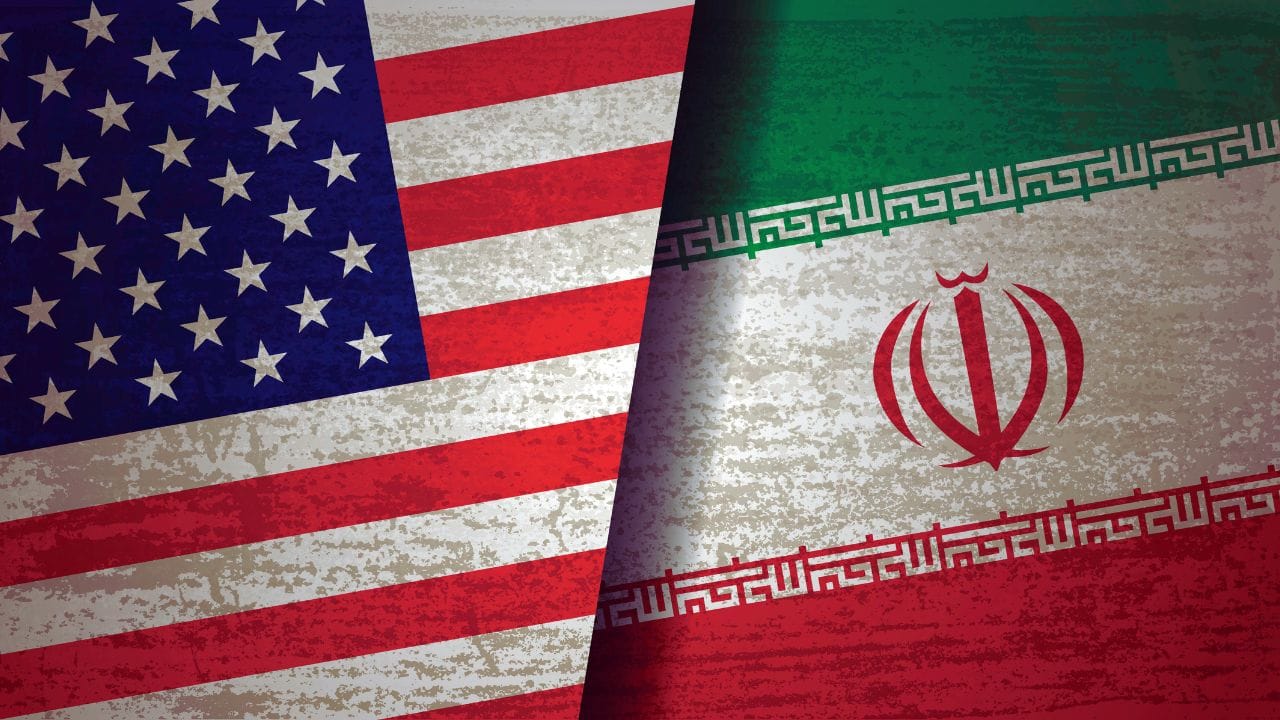
New Delhi: The eyes of the world have shifted from the battlefield to Islamabad talks as Pakistan takes centre stage in a diplomatic gambit which no one saw coming a few weeks ago. With a fragile two-week ceasefire agreed between the US and Iran, the haunting memory of 39 days of devastating conflict are still fresh with everyone.
The arrival of America and Iranian delegations marks the most significant attempt at direct de-escalation in modern history. The air in Pakistan’s capital is thick with a mixture of hope and heavy scepticism. The meeting comes days after the US and Iran agreed to a Pakistan-mediated two-week ceasefire. Soon after the war began, Tehran shut down the Strait of Hormuz through which 20 per cent of the oil was traded during peacetime. Though it still allowed a few countries’ vessels to pass, which negotiated deals with it.
The negotiations will take place this weekend after Pakistan’s Prime Minister Shahbaz Sharif formally invited both sides for talks. The discussion will start on Saturday morning at Islamabad’s Serena Hotel. Two-day public holidays have been announced by Pakistan ahead of the talks.
The capital’s Red Zone is also sealed along with other key essential services such as police, hospital and utilities.
Why is Pakistan mediating?
Pakistan maintains working ties with both countries, and even in recent days, army chief Asim Munir held multiple calls with both US and Iranian leaders to help them reach a ceasefire agreement.
Pakistan shares a total of 900 km border with Iran and hosts the world’s second-largest Shia muslim population after Tehran, and other than that, unlike many Middle East countries they does not host US military bases, giving it additional credibility in Iranian eyes.
Pakistan have US ambassadorial post vacant, and this will mark the first time that a vice president will visit a country where America does not have an ambassador. The last vice president to visit Pakistan was Joe Biden in January 2011, and now, after 15 years, Vance will come, but not for bilateral ties, rather to negotiate an end to a war.
Who will attend the talks?
The guest list for the Islamabad summit reflects the high stakes of the meeting, with both sides sending heavy hitters to ensure any potential breakthrough has the necessary political backing at home.
US Vice President JD Vance has been confirmed by the White House to lead the American delegation. He will be joined by Prime Minister Donald Trump’s top envoy Steve Witkoff and son-in-law Jared Kushner.
On the other side, the Iranian delegation will be spearheaded by Foreign Minister Abbas Araghchi and Speaker of Parliament Mohammad Bagher Ghalibaf. Whether there will be any representative from Iran’s Islamic Revolutionary Guard Corps (IRGC) which is responding from Tehran’s end in the war.
Iran’s ambassador to Pakistan, Reza Amiri Moghadam, though updated about the arrival of the Iranian delegation on April 9, on his X. He wrote, “Despite scepticism of Iranian public opinion due to repeated ceasefire violations by the Israeli regime to sabotage the diplomatic initiative.” But he deleted the post within hours.
High-stake agenda
The primary goal is to turn a temporary 14-day truce into a lasting peace treaty. However, the path to happily ever after is blocked by several non-negotiable demands. Iran carries a rigorous 10-point proposal that demands everything from full sanctions relief to regional sovereignty over the Strait of Hormuz.
Though Trump called it ‘workable’, but no formal acceptance has been announced by the United States. The White House claimed that Tehran has agreed to surrender its stock of enriched uranium and Karoline Leavitt described the demand as non-negotiable. Iran has not yet accepted it formally.
On Wednesday, Israel attacked Lebanon, in which more than 200 people died, after which Araghchi warned that Iran could abandon the ceasefire if Israeli strikes continue. He added that the US must choose between a ceasefire or continue war through Israel. He cited Pakistan PM Sharif’s assertion that the ceasefire includes Lebanon.
However, Vance while speaking in Budapest, said that the ceasefire terms did not cover Lebanon. Iran is also calling for the withdrawal of all U.S. combat forces from Middle Eastern bases.
Looking ahead
A final settlement remains unlikely in just one meeting but the two-weeks ceasefire can bring fruitful results if both sides settle out the matter. Though the deleted post of Moghadam clearly signalled that Iran sees continued Israeli strikes on Lebanon as an attempt to derail negotiations.
As a mediator, it remains to be seen how Pakistan will navigate the razor-thin line between a historic breakthrough and a return to open conflict. With the 14-day clock ticking and the negotiators in Islamabad aren’t just writing a treaty they are trying to prevent a fragile truce from being buried under the weight of a wider regional war. Whether Pakistan can pull off this ‘grand bargain’ remains the world’s most pressing question in the moment.