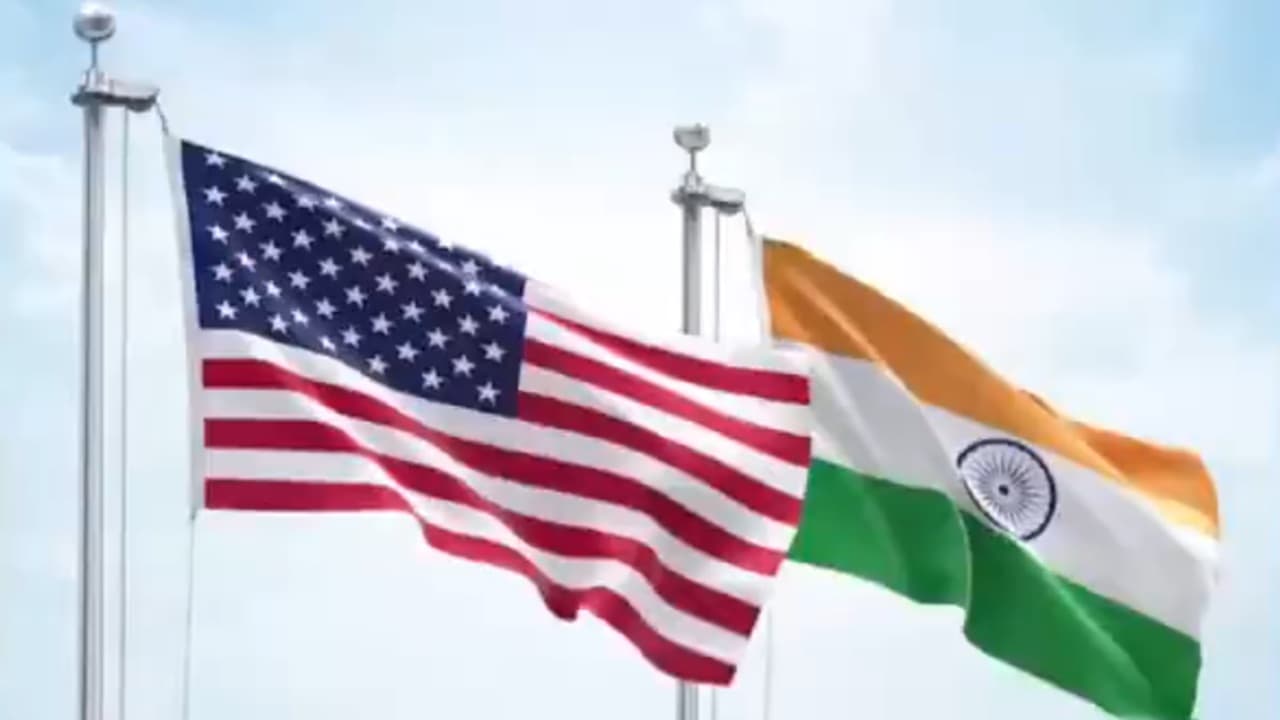
In 2025, the US-India relationship faced sharp contrasts. The US imposed steep tariffs on Indian goods, while disputes over H-1B visa restrictions and geopolitical matters created diplomatic strain.
The US-India relationship in 2025 unfolded as a year of sharp contrasts, marked by historic diplomatic engagement alongside deep trade, security and immigration frictions. While the partnership demonstrated enduring strategic value, it was repeatedly tested by policy disputes rarely seen at this intensity in decades.
The year began on a strong diplomatic footing with Prime Minister Narendra Modi visiting Washington in February for his first bilateral meeting with US President Donald Trump during Trump’s second term. Modi was among the earliest foreign leaders to meet the newly inaugurated President, signalling the priority both sides placed on the relationship. The visit reinforced the strategic partnership, with both leaders announcing plans to negotiate the first tranche of a Bilateral Trade Agreement (BTA) by fall 2025 and setting an ambitious target of USD 500 billion in bilateral trade by 2030.
Early momentum was further underlined by External Affairs Minister S Jaishankar’s presence at Trump’s inauguration and India’s participation in the first Quad foreign ministers’ meeting of the new US administration. These engagements highlighted shared interests in the Indo-Pacific and global security.
However, optimism soon gave way to friction. Trade emerged as a major flashpoint, with Trump repeatedly criticising India’s tariff regime. His administration imposed reciprocal tariffs, including a steep 26% levy on Indian goods, later escalating total tariffs to 50% following concerns over India’s purchase of Russian oil. These measures drew criticism from US lawmakers, who warned of strain on a strategically vital partnership.
Tensions were compounded by geopolitical developments. Following a deadly terror attack in Pahalgam, India launched Operation Sindoor against terror infrastructure in Pakistan and Pakistan-occupied Kashmir. Trump’s repeated claims that the US brokered a ceasefire – assertions firmly rejected by New Delhi – introduced further diplomatic strain.
Immigration policy also emerged as a sensitive issue. New restrictions on H-1B visas, including a proposed USD 100,000 fee, caused alarm among Indian professionals, even as Trump later acknowledged America’s need for global talent.
Despite these challenges, cooperation persisted. The US extradited Tahawwur Rana for his role in the 2008 Mumbai attacks, designated The Resistance Front as a terrorist organisation, and signed a landmark 10-year defence framework pact with India – reaffirming strategic trust.
By year’s end, both sides reiterated commitment to the partnership. While 2025 exposed vulnerabilities in US-India ties, it also underscored their resilience, strategic depth and bipartisan importance – suggesting a relationship still central to global geopolitics despite its growing pains.