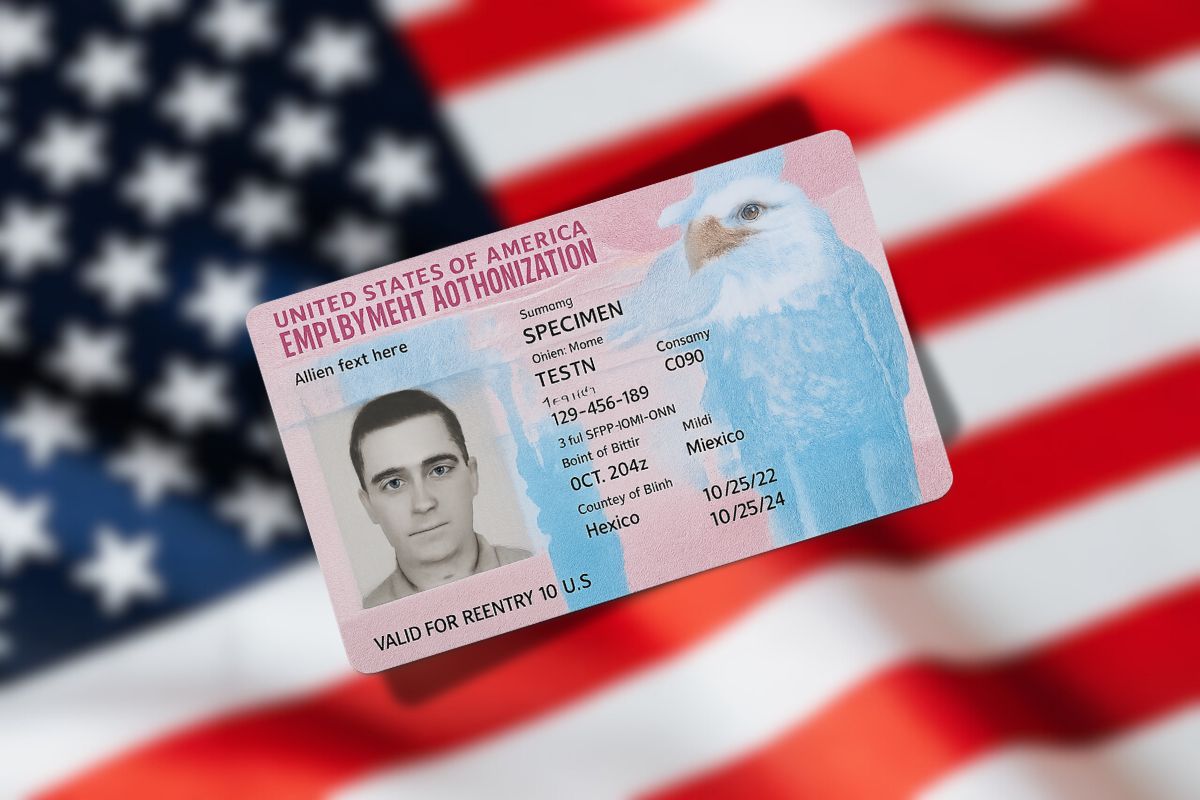
The United States has finalised a rule ending automatic extensions of Employment Authorization Documents (EADs) for certain foreign nationals renewing their work permits. Effective October 14, 2026, eligible applicants must generally receive their renewed work permits before continuing employment beyond their existing authorisation period.
The change makes permanent a policy first introduced in October 2025. It removes a safety net for workers whose renewals are delayed by US Citizenship and Immigration Services (USCIS) processing backlogs.
What Has Changed Under the New US Rule?
Previously, eligible applicants who filed EAD renewal applications on time could receive an automatic extension of up to 540 days while USCIS processed their cases. That protection helped workers avoid interruptions to their employment when renewal decisions took months.
Under the new rule, filing a renewal application alone generally no longer extends work authorisation for applications filed on or after October 30, 2025. Applicants whose existing EADs expire before their renewals are approved may have to stop working until their new permits arrive.
DHS says the change will allow authorities to complete updated screening before granting further employment authorisation.
Old vs New US Work Permit Rules
| Rule | Previous system | New system |
|---|---|---|
| Automatic extension | Up to 540 days for eligible applicants | Generally discontinued for affected renewals |
| Renewal filing | Could extend work authorisation automatically | Filing alone does not extend authorisation |
| Work after EAD expiry | Eligible workers could continue under the extension | Workers may need to stop until approval |
| Processing delays | Automatic extension offered a buffer | Delays can cause employment gaps |
| Effective date | Previous protection applied to eligible filings before October 30, 2025 | Final rule effective October 14, 2026 |
| Exceptions | Extensions applied to eligible categories | Certain extensions required by law or specific government notices remain available |
How Will the Rule Affect H-1B Workers and Their Families?
The direct impact on H-1B workers is limited because most H-1B employees are authorised to work through their approved immigration status and employer-sponsored petition, rather than an EAD renewal.
The bigger concern is for H-4 spouses of H-1B workers who hold employment authorisation, particularly those relying on an EAD linked to an employment-based green card application. If their EAD expires before renewal approval, they may have to stop working temporarily, even if their renewal application is pending.
This could affect Indian families who depend on two incomes while waiting for employment-based green cards. The practical risk is a gap in earnings, not an automatic cancellation of their immigration status.
Who Is Affected and Who Is Exempt?
- H-4 spouses with EADs: Potentially affected if they need to renew an EAD in an eligible category covered by the rule.
- Green card applicants with EADs: May face employment gaps if their existing permits expire before renewal approval.
- Asylum applicants and other eligible EAD holders: May also be affected, depending on their authorisation category.
- H-1B workers with valid status: Generally unaffected by the EAD renewal rule if their employment authorisation comes directly from H-1B status.
- Certain Temporary Protected Status (TPS) beneficiaries: May retain automatic extensions provided by law or specific government notices.
- Renewals filed before October 30, 2025: Previously granted automatic extensions are not cancelled by this rule.
What Should Affected Workers Do Now?
- Check the expiry date on the current EAD and confirm the applicable immigration category.
- File the renewal application as early as the relevant category’s rules permit.
- Ask the employer’s HR team or immigration lawyer to verify whether any separate legal extension applies.
- Do not assume a pending renewal receipt permits continued employment after the EAD expires.
- If an employment gap appears likely, discuss the available options with an immigration lawyer before the current authorisation expires.
Travelobiz Take:
We see this as a tougher renewal environment for immigrant families, especially H-4 spouses. H-1B workers should check their status, while EAD holders must plan renewals early.
Source: US Department of Homeland Security and Federal Register, October 14, 2026.
Follow and connect with us on Facebook, Twitter, LinkedIn, Instagram and Google News for the latest travel news and updates!