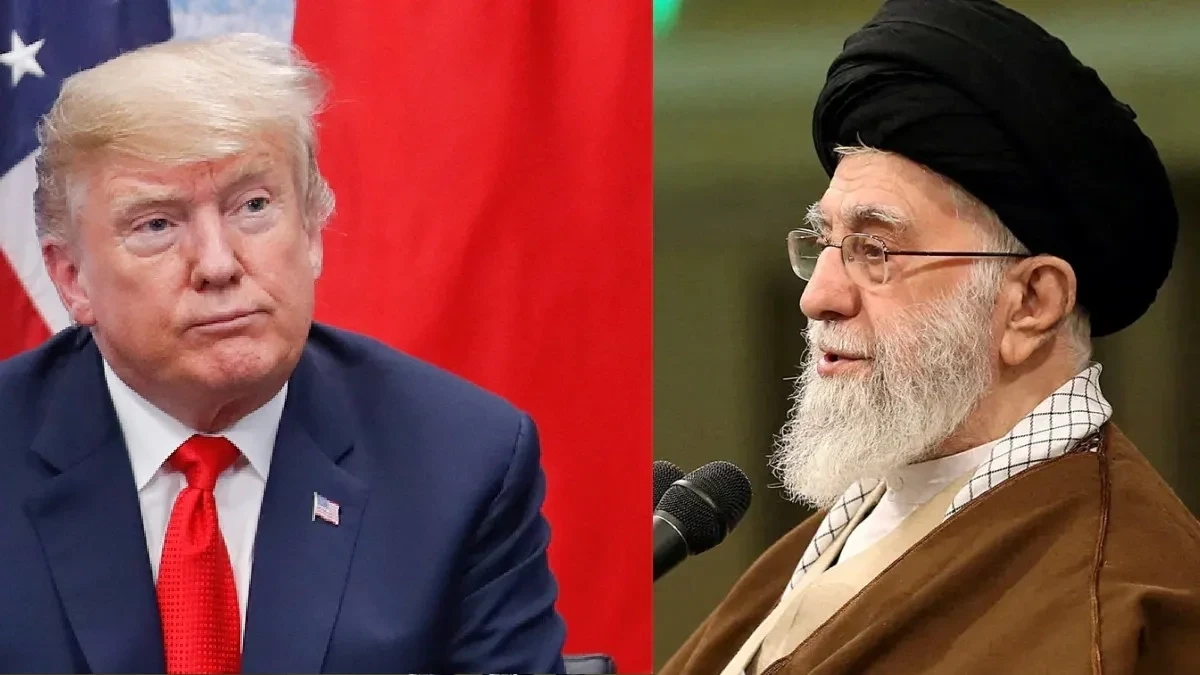
In a span of just 36 hours, Washington deployed its 12th C-17 Globemaster aircraft to bases surrounding Iran, a rapid airlift capability designed to move massive volumes of weapons, equipment and personnel. Each aircraft can carry up to 77 tonnes of military cargo, underlining the seriousness of the operation.
Military planners say the scale and speed of the deployment point to preparation for sustained operations rather than routine deterrence.
Rapid Airlift Signals Long-Term Readiness
C-17 Globemasters are primarily used for large-scale logistics and war preparation, not symbolic shows of force. The arrival of multiple aircraft in such a short timeframe suggests that the US is stockpiling munitions, air defence systems and operational supplies across the region.
This level of logistical readiness indicates that Washington wants the capability to respond immediately to any escalation without waiting for reinforcements from the mainland.
Full-Spectrum Forces Deployed Across the Region
The airlift is supported by a broad range of military assets now active across the Middle East. These include intelligence, surveillance and reconnaissance aircraft, AWACS platforms, electronic warfare systems, drones, fighter jets, strategic bombers and aerial refuelling tankers.
Naval power has also been reinforced, with aircraft carriers and nuclear-powered submarines operating in regional waters. Together, these assets allow the US to conduct air superiority missions, missile defence, long-range strikes and sustained maritime operations.
Military analysts note that such a comprehensive deployment is typically associated with preparation for high-intensity conflict rather than limited engagements.
Iran at the Centre of Strategic Planning
While US officials have not publicly named Iran as the target of the buildup, the positioning of forces around Iranian territory leaves little ambiguity. The deployment enhances Washington’s ability to strike Iranian military infrastructure, respond to proxy attacks and defend regional allies if hostilities escalate.
The encirclement also sends a clear deterrent message, signalling that any aggressive move would face an immediate and overwhelming response.
Rising Risks of Escalation
The concentration of military assets increases the risk of miscalculation. With forces operating in close proximity, even minor incidents could escalate rapidly, leaving limited time for diplomatic intervention.
At the same time, the buildup may push diplomatic efforts behind the scenes, as all sides attempt to avoid a direct confrontation that could spiral into a wider regional war.
A Warning, Not Routine Movement
This is not a standard troop rotation or routine military exercise. The scale, speed and scope of the deployment indicate that the United States believes the region is entering a highly volatile phase.
Whether the buildup succeeds in deterring conflict or becomes the foundation for direct action will depend on developments in the coming days. For now, the message from Washington is unmistakable: it is prepared for the most serious scenarios.