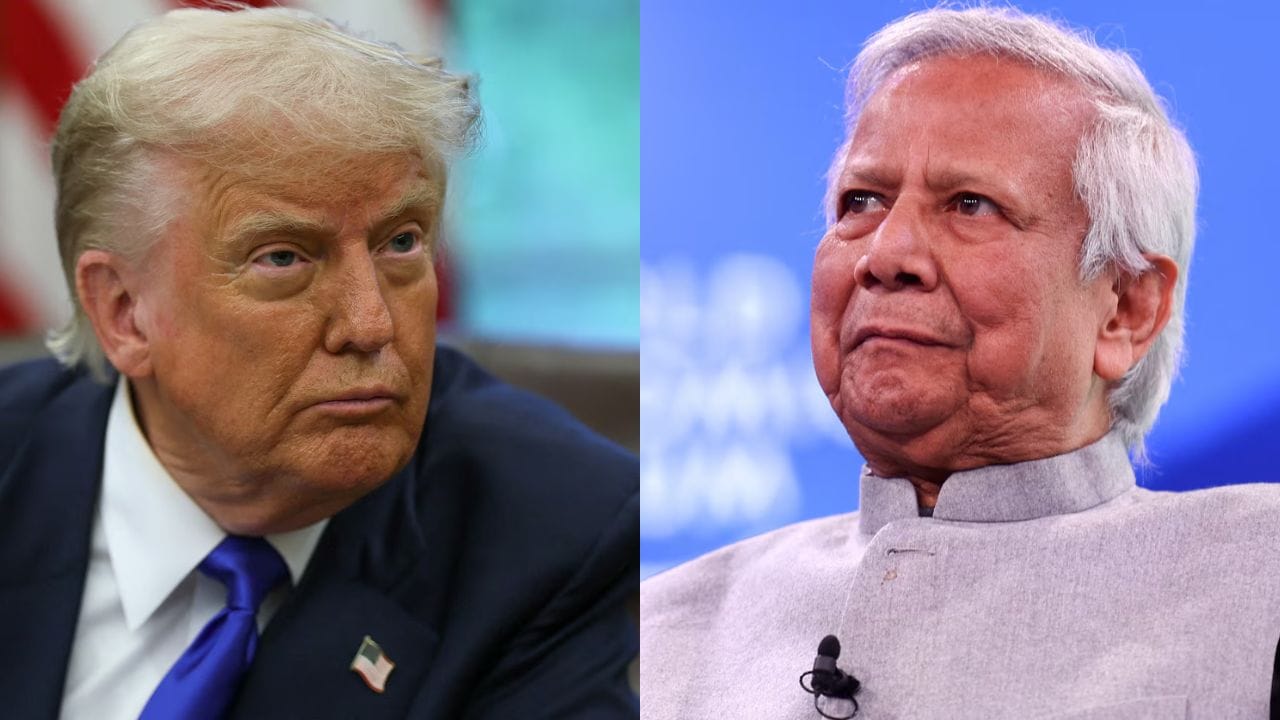
New Delhi: The United States has reduced “reciprocal” tariffs on Bangladeshi imports to 19 per cent from 20 per cent under a new bilateral trade agreement, with Washington also committing to create a mechanism for zero-duty access on selected textile and apparel products made with US-produced materials, said a joint statement released by the White House.
The agreement, signed by representatives of both sides, will become operational after formal notifications are issued. Bangladesh’s interim chief adviser Muhammad Yunus said the deal followed around nine months of negotiations with Washington and described it as a step toward protecting jobs and strengthening the country’s position in the global textile supply chain.
“Washington has committed to creating a pathway for selected Bangladeshi garments made with US materials to receive zero tariff access,” Yunus wrote on X.
Zero reciprocal tariff on certain garments
Under the arrangement, certain volumes of Bangladeshi textile and apparel goods will be eligible for a zero reciprocal tariff rate if they use US-produced materials such as cotton and man-made fibre inputs. The eligible volume will be linked to the quantity of US textile exports to Bangladesh. US authorities will also identify additional products that may qualify for zero per cent reciprocal tariffs.
The White House said the revised tariff is part of a broader framework to address trade imbalances and non-tariff barriers. The reciprocal duties were originally imposed last year as part of a wider tariff regime over what Washington described as unfair trade practices.
The US administration had initially proposed tariffs of up to 37 per cent on Bangladeshi goods before reducing the rate to 20 per cent in August last year after negotiations with Dhaka.
‘Will provide boost to garment sector’
Bangladesh’s National Security Adviser Khalilur Rahman said the expected tariff exemptions for apparel exports using US inputs would provide a boost to the garments sector. On the Bangladesh side, the agreement was signed by Commerce Adviser Sheikh Bashir Uddin and Rahman, while the US Trade Representative signed for Washington.
Textiles and readymade garments account for more than 80 per cent of Bangladesh’s export earnings and employ roughly four million workers, most of them women. The sector contributes about 10 per cent to the country’s gross domestic product and has faced pressure in recent years from rising production costs, higher energy prices, currency volatility and tighter compliance standards from global buyers.
According to data from Bangladesh Bank and the National Board of Revenue, Bangladesh exported goods worth about $8.4 billion to the United States in 2024, while imports from the US totalled around $2.2 billion.