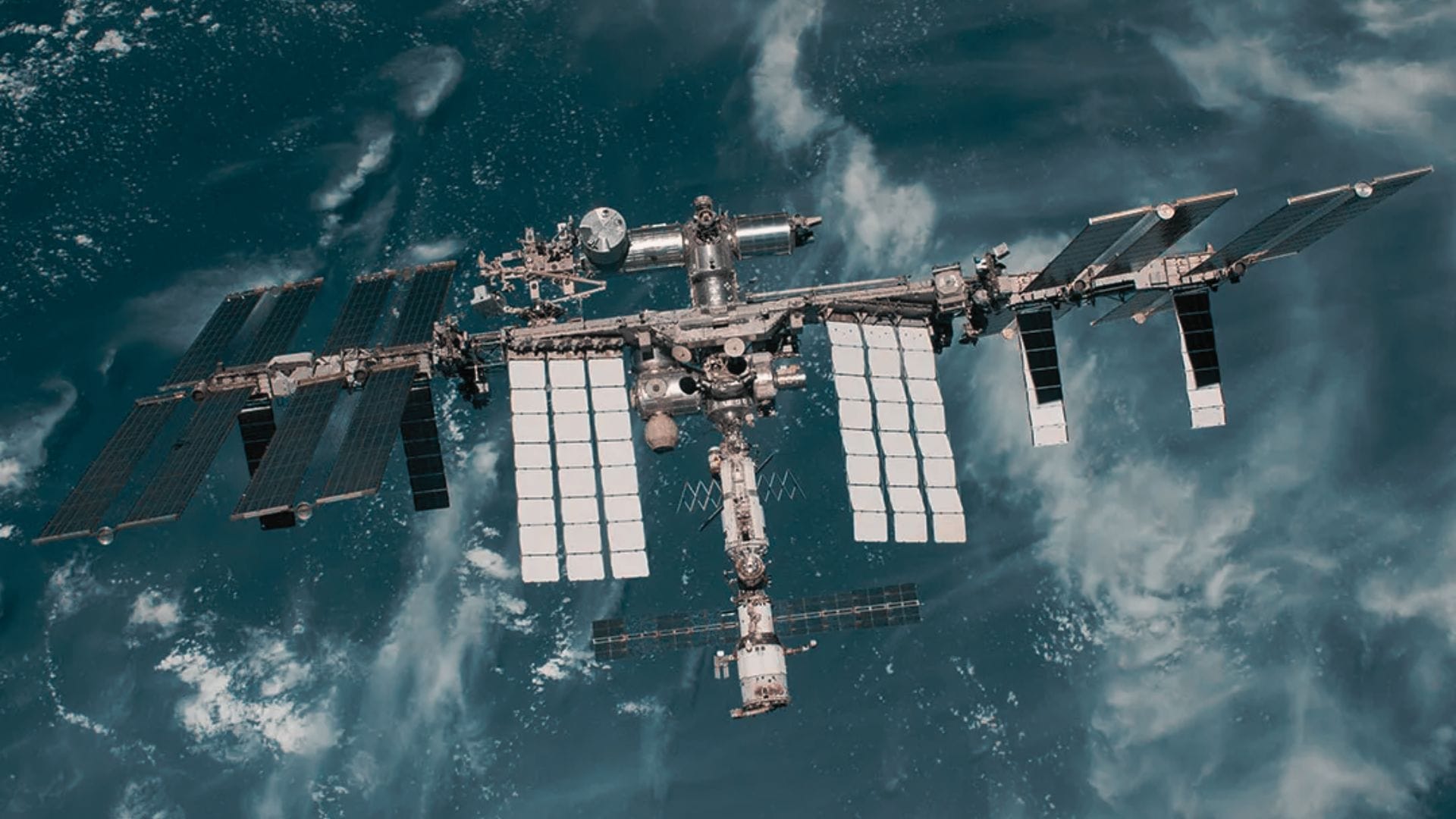
New Delhi: The US Congress has formulated new rules and directions for the US national space agency over the coming years in the NASA Reauthorization Act of 2026. The Science, Space, and Technology Committee has passed on the bill to all the members of the House of Representatives, which will then be passed on to the US Senate, and then to the US President. If Donald Trump signs the bill, it will become the law for NASA. One of the 40 proposed amendments to the bill is to give the International Space Station a new lease of life beyond its planned retirement in the 2030s, by lowering the orbit using a purpose-built, extra large SpaceX Dragon.
The proposed amendment directs NASA to seriously study the options for preserving the orbital complex rather than destroying it. The ISS was assembled over a period of two decades, costing the US taxpayer between $100 and $150 billion, and the sense of the Congress is that it deserves evaluation as a valuable orbital resource. It calls for the NASA Administrator to conduct a detailed engineering analysis of the technical, operational and logical feasibility of transferring the massive structure to a safe and stable orbital harbour at higher altitudes for long-term storage, after its low-Earth orbit operational life ends.
Can the ISS be parked?
The crucial factors that NASA must examine include the propulsion needs, if conventional capabilities are sufficient, estimated costs for any required vehicles or manoeuvres, the preservation potential for future reuse and risks such as orbital drift that could endanger other assets or lead to an uncontrolled re-entry. The current plan is to use a SpaceX deorbit vehicle for a controlled destruction in the atmosphere of Earth over the remote Pacific Ocean. Critics argue that this wastes a historic asset, at a time when commercial space stations are incipient.
The bipartisan provision is part of broader reauthorisation efforts emphasising realising a Moon-to-Mars architecture for exploration, that requires NASA to deliver a report to the Congress within 30 days of conducting the required studies. The amendment at this time does not alter the 2030 timeline. The move revives the debate over whether the ISS could serve as a future waypoint, a museum piece, or a resource in expanding the space economy.