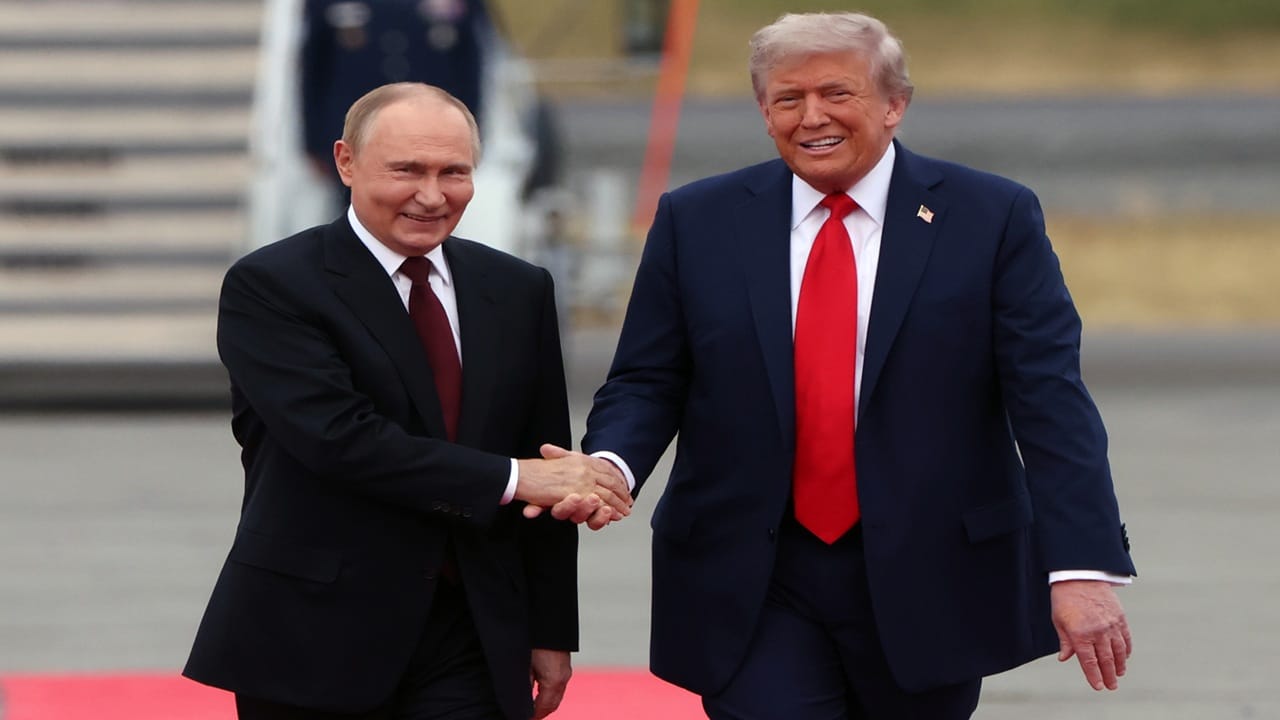
New Delhi: In a major diplomatic breakthrough amid the backdrop of the Ukraine conflict, the United States and Russia have agreed to resume high-level military dialogue after a four-year deep freeze. The announcement, made by the US Army’s European Command, marks the first formal restoration of top-tier military communication since 2021.
A Dialogue Born in the Desert
The decision to reopen these critical channels follows intensive, high-stakes meetings held in Abu Dhabi, United Arab Emirates. This neutral ground served as the staging area for a deal intended to prevent a direct military confrontation between the world’s two largest nuclear powers.
The US statement emphasised that the new communication channel is designed to maintain “continuous contact.” The primary objective is to manage risks and avoid catastrophic misunderstandings or accidental escalations while the international community continues to seek a permanent peace to end the war in Ukraine.
A Four-Year Silence
High-level military talks were abruptly severed in 2021. Shortly thereafter, Russia launched its full-scale invasion of Ukraine, plunging bilateral relations to their lowest point since the Cold War. For years, the lack of a direct military-to-military link has fueled global anxiety over the potential for miscalculation on the battlefield.
The Shadow of the Nuclear Clock: New START Expires
While the restoration of dialogue offers a glimmer of hope, it coincides with a grim milestone in global security, the expiration of New START on February 5.
The New START (Strategic Arms Reduction Treaty) was the final remaining pillar of nuclear arms control between Washington and Moscow. Its collapse came after US President Donald Trump did not act on a proposal from Russian President Vladimir Putin to extend the pact for a single year.
The stakes of the treaty’s end are immense:
Together, the US and Russia control over 80% of the world’s nuclear arsenal. Signed 15 years ago, the treaty limited both nations to 1,550 deployed nuclear warheads, a 30 per cent reduction from 2002 levels. While the treaty allowed for reciprocal on-site inspections, these were suspended during the COVID-19 pandemic and never resumed due to rising political tensions.
The Rising Third Power
The disintegration of US-Russia arms control comes at a time when the global nuclear landscape is shifting. Experts estimate that China is rapidly expanding its capabilities, currently possessing approximately 550 strategic nuclear launchers.