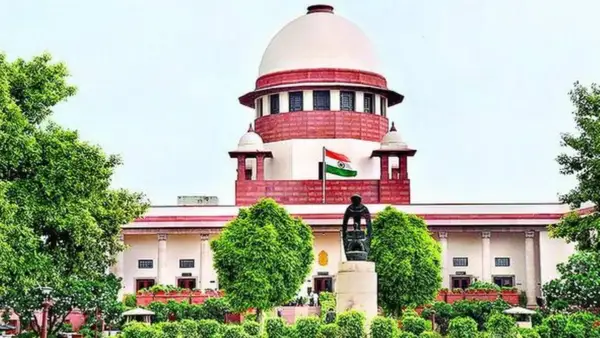
The career prospects of 958 newly selected civil servants including future IAS and IPS officers are being held back due to a legal wrangle regarding the criteria for determining the creamy layer of Other Backward Classes (OBC).
A Supreme Court judgement was passed on March 11, 2026 clarifying that the income of the parents of OBC candidates cannot be used to determine creaminess. As such, the Centre is seeking further clarification.
What is the OBC Creamy Layer issue?
Under the reservation policy, those who qualify as non-creamy layer of OBC can gain access to the reservations in government jobs. However, those who meet the criteria for creamy layer will be ineligible.
There has been a controversy around what criteria will be applied to those who have parents working in private firms, public sector undertakings (PSU), Universities and others.
In its judgement passed on March 11, the Supreme Court made clear that the creamy layer status of a candidate cannot be decided based on the income of their parents, but should take into account what job they do, what role they hold and what criteria applies.
For example, someone could have a high salary but hold a low-level role in a private firm whilst someone else could have a high-level role in government. The clarification by the court shows that the right criteria must be applied.
How has the legal wrangle impacted the 958 UPSC recruits?
The results of the 2025 Civil Services Examination were released with 958 candidates being selected. However, due to the legal wrangling regarding OBCs the service allocation and training process has been impacted.
The Centre has approached the Supreme Court for clarity on how to apply its ruling.
As a result, the administrative process for the affected candidates has been impacted.
Why is the Foundation Course important?
The Foundation Course is the first training new recruits go through. Those who have been selected for services such as IAS, IPS, IRS and other central services will go through training to understand the Constitution, public administration, governance and policy.
This training takes place at the Lal Bahadur Shastri National Academy of Administration (LBSNAA) in Mussoorie and other relevant institutions.
The delay could cause issues as the start of the Foundation Course relates to seniority in the civil service.
Around 100 previous candidates could be impacted.
Around 100 candidates from previous UPSC exams could be impacted as their application for OBC reservations were reportedly denied as they were found to be in the creamy layer.
The interpretation from the Supreme Court has caused questions over how these cases should be reviewed and if the new understanding should impact previous decisions.
The government is seeking clarification on how to apply the ruling to past cases.
What has the Centre asked the Supreme Court?
The Centre has reportedly asked the Supreme Court to:
Ensure that some decisions from the past are protected. This includes admissions that have been completed, degrees awarded and other confirmed rights.
Give them two years to implement the ruling and set appropriate criteria for determining what government roles are equivalent to private firms, PSUs and others.
On September 24, 2026 the Supreme Court reserved its order relating to the governments request. This means that they have listened to the case but have not yet made a decision.
What now?
The future of the candidates will depend on the clarification of the legal issues and how the government implements the directions.
Until there is clarity on how to classify OBC creamy layers, the service allocation, training and other administrative processes for the 958 new recruits could be impacted.