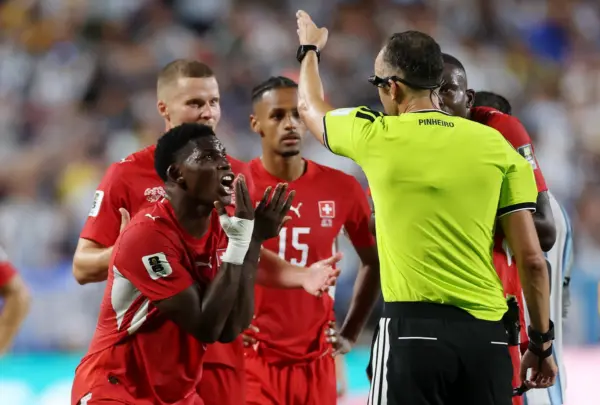
European football officials have issued a renewed directive on the use of (VAR), stressing that the technology should only intervene in cases of “blatantly incorrect” decisions or clear missed incidents.
The move follows a significant meeting last week involving referee chiefs from all 55 national associations and representatives from the International Football Association Board (Ifab), the body responsible for the game’s laws.
The consensus reached aims to streamline officiating and reduce the impact of .
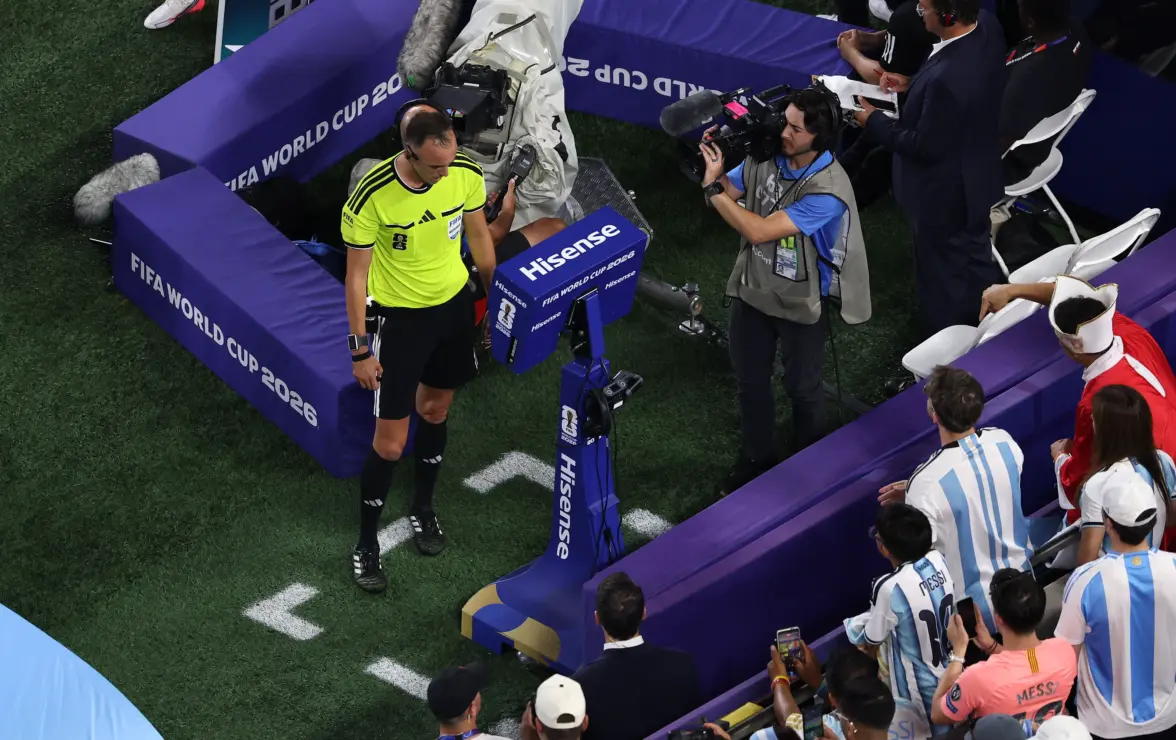
A Uefa release stated: “VAR must only intervene in situations of ‘clear and obvious’ error, i.e. when a referee decision is blatantly incorrect or when the referee has missed a clear incident. VAR is not meant to re-referee the game, it is an essential support to the referees, who must remain at the centre of all decision-making. Lengthy, microscoping reviews are often a symptom revealing that the decision on the field was not clearly and obviously incorrect, and should therefore be limited.”
Beyond VAR, the gathering also saw “unanimous” support for measures designed to speed up game restarts, including time limits for substitutions and five-second countdowns for goal kicks and throw-ins.
Further clarification was provided regarding the “mistaken identity” protocol. Leagues and competitions have been informed that this protocol cannot be applied to incidents of simulation, as it was during the World Cup, until a comprehensive review of its use at the finals is complete.
An Ifab circular has reminded officials that, for now, VARs can only review cautions to identify the correct player who committed an offence, not to review or alter the offence itself.
This clarification comes after controversial incidents such as the one involving Switzerland’s Breel Embolo at the World Cup. Embolo was sent off for a second yellow card against Argentina after a booking for Leandro Paredes was overturned on review, with the official subsequently finding Embolo had dived.
Roberto Rosetti, Uefa’s director for refereeing and chair of last week’s meeting, underscored the importance of the agreement.
He said: “The fact that all 55 national associations and Uefa have agreed on guidelines towards a more consistent approach to the application of the Laws of the Game marks a significant milestone. It will help improve the understanding of refereeing decisions among players, clubs, supporters and all stakeholders in the game. For the popularity of football it is essential to remove all doubt from the game and ensure that the laws are applied with clarity.”
Uefa is also not expected to adopt other optional measures seen at the World Cup in its competitions, such as red cards for players covering their mouths when speaking to an opponent, or VAR checks on corners.