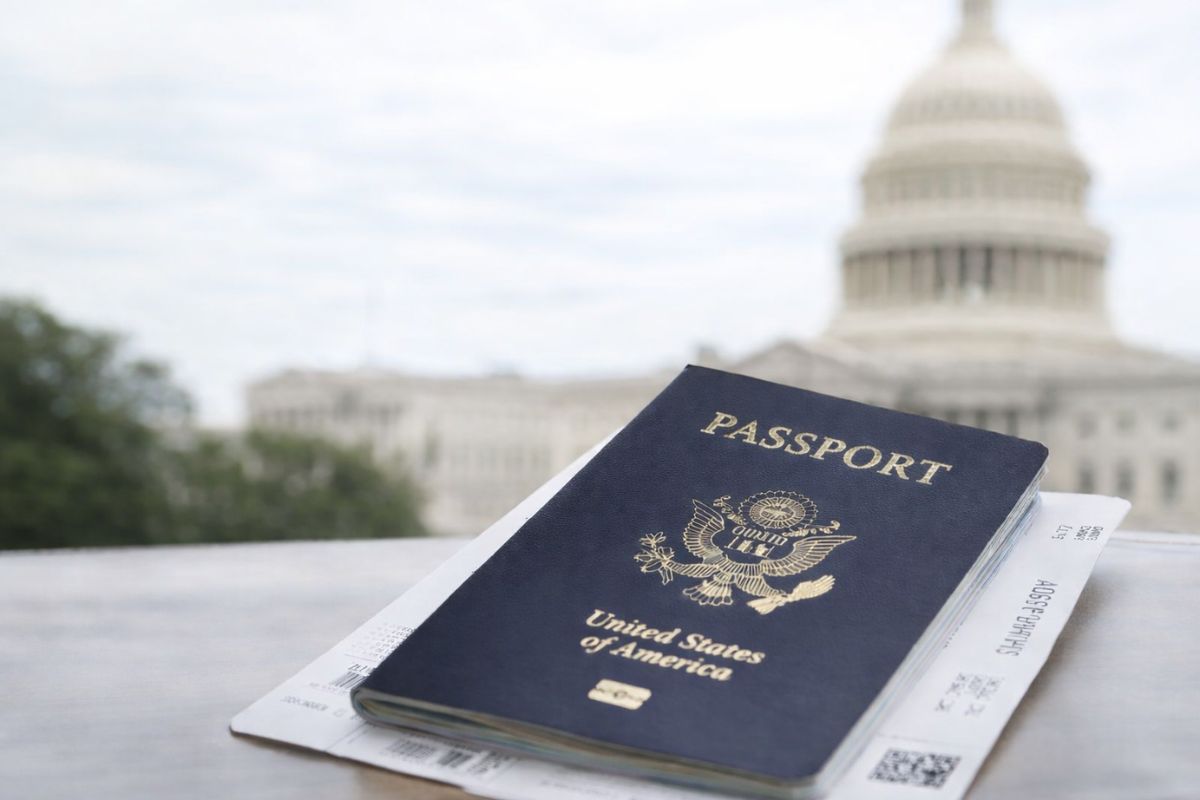
The United States is looking at new rules for the ESTA program. ESTA is the travel permission that lets citizens of certain countries visit the U.S. without a visa for short stays.
If approved, the changes would ask travellers to share more personal information, including details about their social media use.
The proposal is already getting attention, and not in a good way. Many travellers say it feels intrusive and could make them think twice about visiting the U.S.
What Is ESTA and Who Needs It?
ESTA stands for Electronic System for Travel Authorization. It allows citizens of 42 countries to travel to the United States without applying for a visa, as long as:
- The stay is 90 days or less
- The visit is for tourism, business, or transit
- The traveller holds a valid passport from an ESTA-eligible country
ESTA is mandatory. You cannot board a flight to the U.S. without it if you are travelling under the Visa Waiver Program.
Current ESTA Requirements Explained
Right now, ESTA applicants must provide:
- Full name and date of birth
- Passport details
- Contact information
- Travel details
- Employment information
- Answers to security and background questions
Most approvals are quick, often within hours, though travellers are advised to apply at least 72 hours before departure.
What New ESTA Rule Is Being Proposed?
Under the proposed change, ESTA applicants would also need to:
- Declare which social media platforms they have used
- Cover a period of the last five years
Travellers would not be asked to share passwords, but the idea of listing social media accounts has raised privacy concerns.
U.S. authorities say this is meant to strengthen border security. The travel industry sees it very differently.
Travellers Already Know About the Proposal
A recent survey by the World Travel & Tourism Council shows that this debate is no longer happening quietly.
The survey questioned over 4,500 frequent international travellers from countries like the UK, Germany, France, Japan, South Korea, and Australia.
Nearly two out of three people said they already knew about the possible ESTA changes.
That matters because once travellers form an opinion, it can quickly affect travel plans.
Updated ESTA Fee for 2026
In addition to the proposed ESTA rule changes, the United States has slightly increased the ESTA fee for Visa Waiver Program travellers. From 2026, applicants will pay $40.27, up from $40, reflecting a small inflation-linked update confirmed by U.S. Customs and Border Protection.
| Component | Previous Fee | New Fee (2026) | Change |
|---|---|---|---|
| Tourism Promotion Fund | $17 | $17 | No change |
| Program Component | $13 | $13 | No change |
| System Management | $10 | $10.27 | +$0.27 |
| Total | $40 | $40.27 | +0.27 |
Possible Impact on U.S. Tourism
The WTTC also looked at the economic impact if fewer travellers choose the U.S.
Their estimates suggest:
- Up to $15.7 billion in lost tourism spending
- As many as 4.7 million fewer international visitors by 2026
- Around 150,000 tourism-related jobs could be affected
According to Gloria Guevara, border security is important, but trust matters just as much when it comes to travel.
Even small changes in traveller behaviour can have big economic effects.
Why Timing Matters Right Now
International tourism to the U.S. is still recovering and has not fully returned to pre-pandemic levels.
At the same time, travellers have more choices than ever. If one destination feels complicated or unwelcoming, people often look elsewhere.
This discussion is also happening as the U.S. prepares to host major global events, including World Cup matches and the 2028 Olympics.
What This Means for Travellers
For now, ESTA rules have not changed. Travellers still follow the existing application process.
But if the proposal moves forward, applying for ESTA could involve:
- More personal questions
- Longer application time
- Greater privacy concerns for some travellers
For frequent visitors, this could be enough to reconsider travel plans.
The debate highlights a growing issue in global travel. Security matters, but so does how welcome a country feels at the border.
Follow and connect with us on Facebook, Twitter, LinkedIn, Instagram and Google News for the latest travel news and updates!