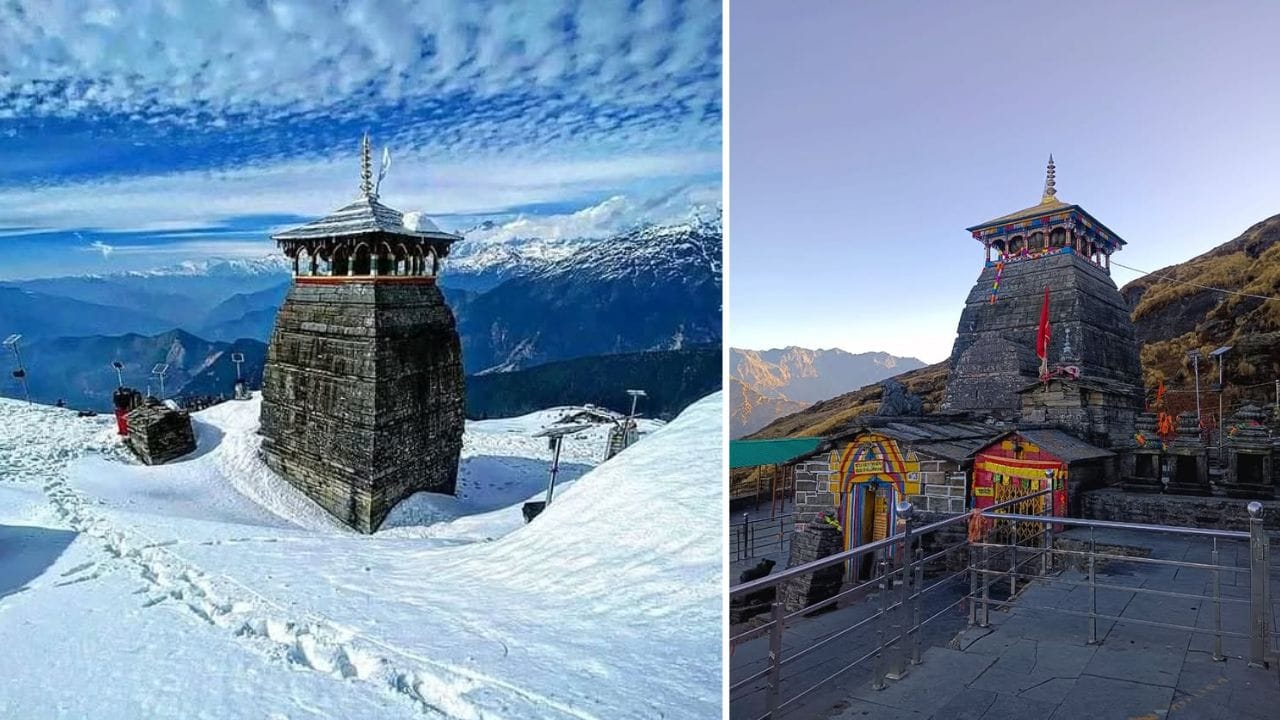
New Delhi: Tungnath Temple rises quietly on Chandranath Parvat in Uttarakhand, holding the distinction of being the highest Shiva temple in the world. Part of the revered Panch Kedar pilgrimage, the shrine stands at an elevation of around 12,073 feet. Despite its height, the journey to Tungnath feels calm and approachable. Surrounded by alpine meadows and distant snow peaks, the temple attracts pilgrims, trekkers, and travellers seeking spiritual depth without an exhausting climb. Known as Tritiya Kedar, Tungnath carries centuries of devotion within its modest stone walls.
If you journey through the trail from Chopta, you can witness mesmerising green slopes and open skies, making the experience as meditative as the destination. Here, faith and landscape merge seamlessly, offering a rare sense of stillness in the high Himalayas. If you are planning to visit this peaceful site, here are the details you should know before exploring.
Key details to visit Tungnath Temple
Tungnath Temple: Location and significance
Tungnath Temple is located in the Rudraprayag district of Uttarakhand and forms an essential part of the Panch Kedar temples dedicated to Lord Shiva. It is believed to be over 1,000 years old and was rediscovered by Adi Shankaracharya.
- Altitude: Around 3,680 metres above sea level
- Religious status: Third among the Panch Kedar temples
- Local reputation: Often called the Mini Switzerland of Uttarakhand due to its scenic views
Tungnath Temple trek
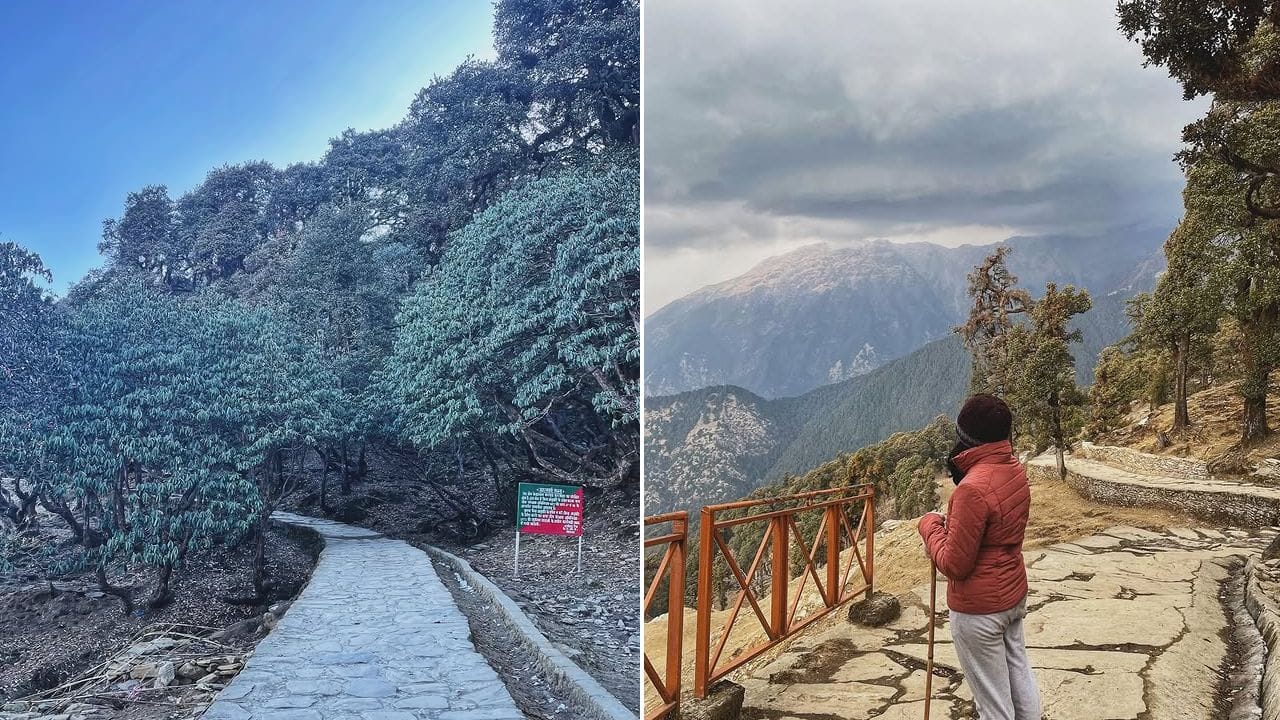
Reaching Tungnath involves a short but rewarding trek that begins from Chopta, a popular base village. Despite being the highest Shiva temple, the trek remains one of the easiest in the region.
Trek highlights
- Distance: Approximately 3.5 km one way
- Starting point: Chopta at around 2,700 metres
- Difficulty: Moderately easy, suitable for beginners
- Winter note: Snowfall makes the route difficult without guidance
Architecture and inner sanctum
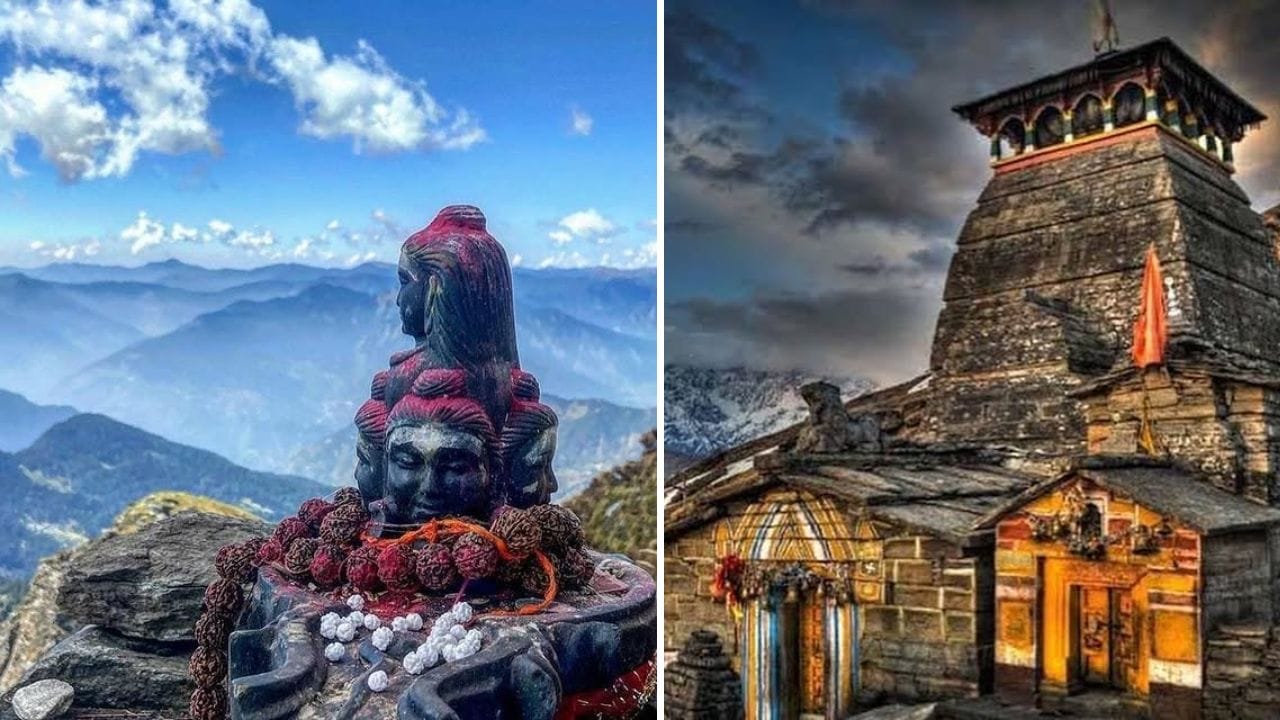
The temple is built using black stone and follows a simple architectural style that feels powerful despite its compact size. Inside the sanctum lies the Shivling, believed to symbolise the arms of Lord Shiva.
What you’ll see
- Main shrine dedicated to Lord Shiva
- Smaller temples for Goddess Parvati, Lord Ganesha, and Rishi Vyas
- A quiet spiritual atmosphere amplified by altitude and isolation
Mythological connection
Tungnath’s origins are closely linked to the Mahabharata. After the war, the Pandavas sought forgiveness from Lord Shiva, who avoided them by taking the form of a bull.
Legend highlights
- Shiva disappeared underground to evade the Pandavas
- His body parts appeared at different locations
- Tungnath marks the place where his arms were seen
Weather at Tungnath
Weather conditions strongly influence travel plans due to the temple’s altitude.
Seasonal overview
- Summer (April-June): Pleasant temperatures, ideal for trekking
- Monsoon (July-September): Heavy rain, landslide risk
- Autumn (October-November): Clear skies, sharp mountain views
- Winter (December-March): Heavy snow; temple closed
During winter, the idol of Lord Shiva is worshipped at Ukhimath.
Best time to visit Tungnath
- April to June works best for devotees and first-time visitors.
- September to November suits travellers seeking quieter surroundings and clearer Himalayan views.
- December to March attracts snow lovers, though the temple remains closed.
Festivals at Tungnath
Maha Shivratri and the Shravan month draw large numbers of devotees. The annual opening ceremony in April or May marks the return of the idol from Ukhimath in a grand ritual procession.
Nearby attractions
- Chandrashila Peak offers panoramic sunrise views just beyond Tungnath.
- Deoria Tal, near Sari village, reflects snow-covered peaks on clear days.
- Ukhimath serves as the winter seat for Tungnath and Kedarnath.
- Rudraprayag holds religious importance as a river confluence.
How to reach Tungnath
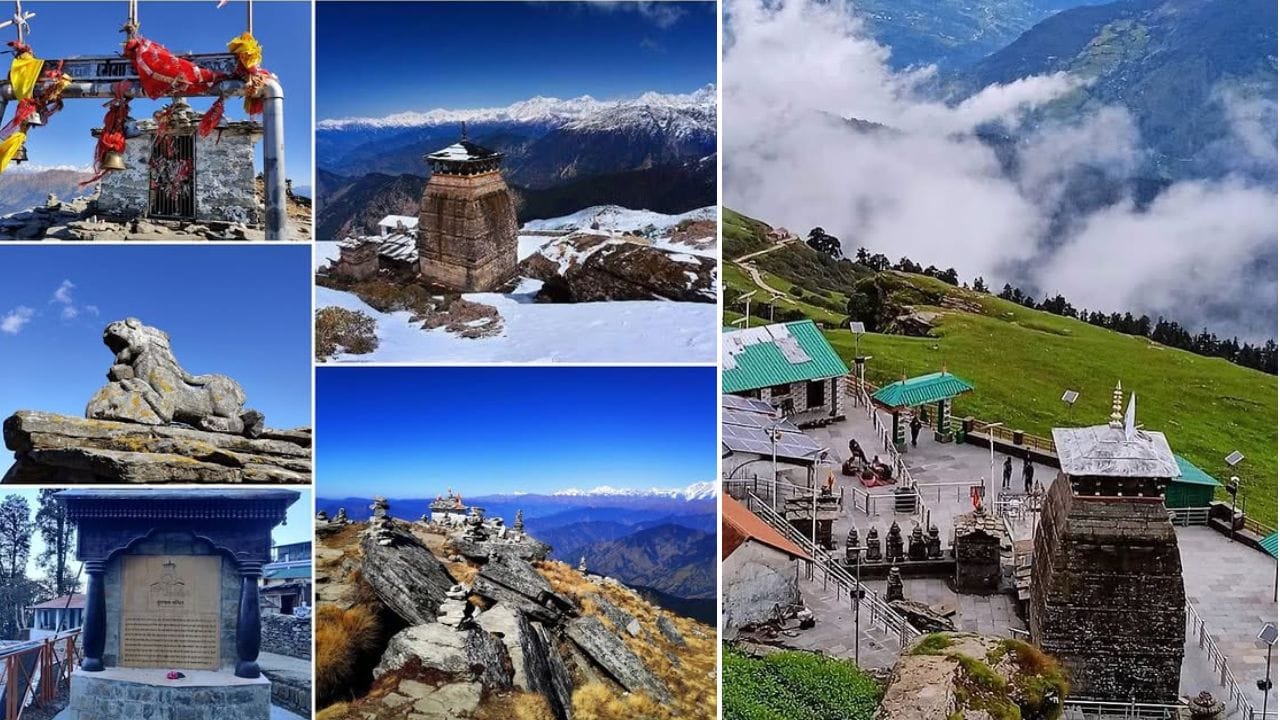
Travellers can drive up to Chopta and complete the remaining distance on foot. Haridwar is the nearest railway station, while Jolly Grant Airport in Dehradun is the closest air link. The drive from Haridwar or Rishikesh usually takes 7 to 8 hours.
Stay, food, and travel tips
Accommodation is available in Chopta, Ukhimath, and nearby villages through camps, homestays, and guesthouses. Food options remain basic, serving vegetarian meals like dal, rice, parathas, and tea. Non-vegetarian food and alcohol are strictly prohibited. ATMs and fuel stations are not available at Chopta, so planning is essential.
Tungnath Temple stands as a reminder that spiritual journeys need not be overwhelming to be meaningful. With its manageable trek, ancient legends, and vast Himalayan backdrop, the shrine leaves visitors with a sense of calm that lingers long after the descent.