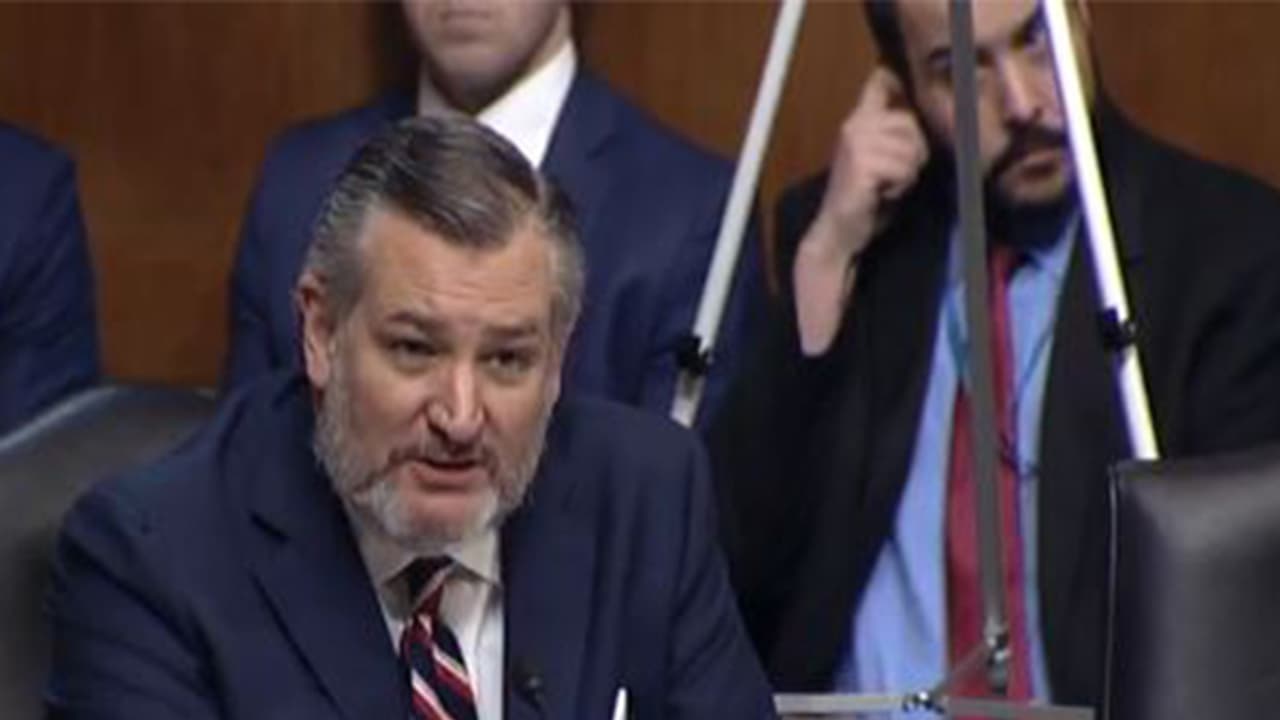
Leaked audio shows Senator Ted Cruz blaming VP JD Vance and Trump for blocking the India-US trade deal, criticizing protectionist tariffs and warning of economic risks.
Leaked audio recordings of private conversations by US Senator Ted Cruz have stirred political controversy and cast new light on behind‑the‑scenes friction within the Republican Party over the long‑delayed India‑US trade deal and broader economic policy debates.
According to reports based on the recordings obtained by outlets including Axios and reflected in media coverage, Cruz privately blamed White House figures — including Vice President JD Vance, trade adviser Peter Navarro and occasionally former President Donald Trump — for obstructing progress on a bilateral trade agreement with India.
The recordings, made during donor meetings in early and mid‑2025, show Cruz presenting himself as a traditional free‑trade Republican, in contrast to what he described as the more protectionist stance of other GOP leaders. When asked by supporters who was resisting the India trade pact, Cruz named Navarro, Vance and “sometimes” Trump, suggesting that internal policy disagreements and ideological differences played a role in delaying the accord.
Cruz also used the conversations to criticise Trump’s tariff policy, which included sweeping tariffs introduced in April 2025 on various countries — a strategy he warned could have damaging economic consequences. In the recordings, Cruz reportedly described efforts by him and other senators to dissuade Trump from moving forward with these tariffs, warning that such measures could hurt consumers, weaken retirement savings accounts and potentially jeopardise Republican control of Congress in the upcoming 2026 midterms. He framed this criticism as part of his broader argument for more open trade and stronger economic growth.
The audio highlights deeper divisions within the GOP, particularly between traditional pro‑trade conservatives and the so‑called “America First” faction that prioritises tariffs and protectionist policies.
Cruz reportedly rebuked Vance, painting him as influenced by conservative commentator Tucker Carlson, whose anti‑interventionist foreign policy and broader political influence have been sources of tension within the party. These criticisms extend beyond trade to personnel decisions and foreign policy stances, reflecting the broader ideological struggle shaping the party’s future direction.
Despite the critical tone of the leaked exchanges, both Cruz and White House allies have publicly maintained a narrative of party unity. A Cruz spokesperson reiterated that the senator remains a strong ally of the administration and continues to advance shared policy goals, even as private remarks reveal sharp disagreements.
The India‑US trade deal, first formally proposed in early 2025 with negotiations continuing over multiple rounds, aims to deepen economic ties between the two democracies. While Trump has publicly expressed confidence that a deal will materialise — including commendations of Prime Minister Narendra Modi at global forums — the leaked audio reveals that internal disputes and tariff disputes have complicated the process.
The revelations come amid ongoing political manoeuvring ahead of future elections and reflect how internal party dynamics, personality clashes and policy disagreements can influence the pace and substance of international economic agreements. Analysts say the episode underscores the broader challenge of reconciling differing visions of trade and economic strategy within the GOP, particularly as the United States seeks to strengthen strategic partnerships through economic diplomacy.