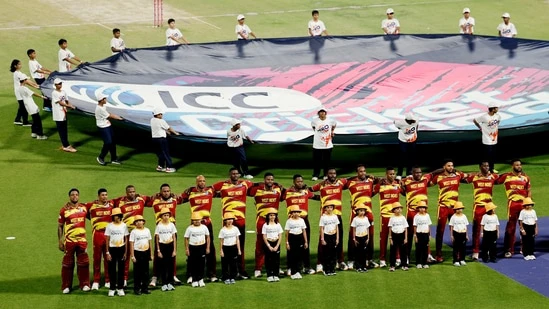
It’s not just Zimbabwe. Players and support staff of the West Indies squad have also been left stranded in Kolkata following their exit from the 2026 T20 World Cup, after travel plans were disrupted by the escalating conflict in the Middle East.
West Indies failed to reach the semifinals after a five-wicket loss to India in their Super 8 clash at Eden Gardens on Sunday. Zimbabwe had been eliminated a few days earlier following defeat to India in their own Super 8 fixture.
However, neither team has been able to return home, with thousands of flights cancelled across Gulf nations, disrupting some of the world’s busiest transit hubs amid rising tensions involving Iran, the United States, and Israel.
Cricket West Indies (CWI) issued a statement confirming it is working closely with the ICC to arrange safe travel for players and staff. “The safety and well-being of our players, coaches, and officials remain our highest priority,” CWI said.
The ICC had earlier acknowledged the situation and activated contingency plans for personnel scheduled to transit through Dubai for onward journeys.
“While the crisis in the Middle East has no direct bearing on the conduct of the tournament, the ICC acknowledges that a significant number of personnel – including players, team management, match officials, broadcast teams, and event staff – rely on Gulf hub airports, particularly Dubai (DXB), as key transit points for onward travel to their home countries,” the statement read.
Meanwhile, Zimbabwe Cricket confirmed on Monday that its players and staff are safe in Delhi, with administrators working on alternative travel arrangements. The team had played its final World Cup match in the capital on Sunday and was scheduled to fly back to Harare via Dubai on Monday.
“Zimbabwe Cricket (ZC) confirms that the Zimbabwe senior men’s team remains safe and well in India following the conclusion of their ICC Men’s T20 World Cup 2026 campaign. The squad was scheduled to return home via Dubai, but travel plans have been affected by the evolving situation in the Middle East, which has disrupted key transit routes,” ZC said.