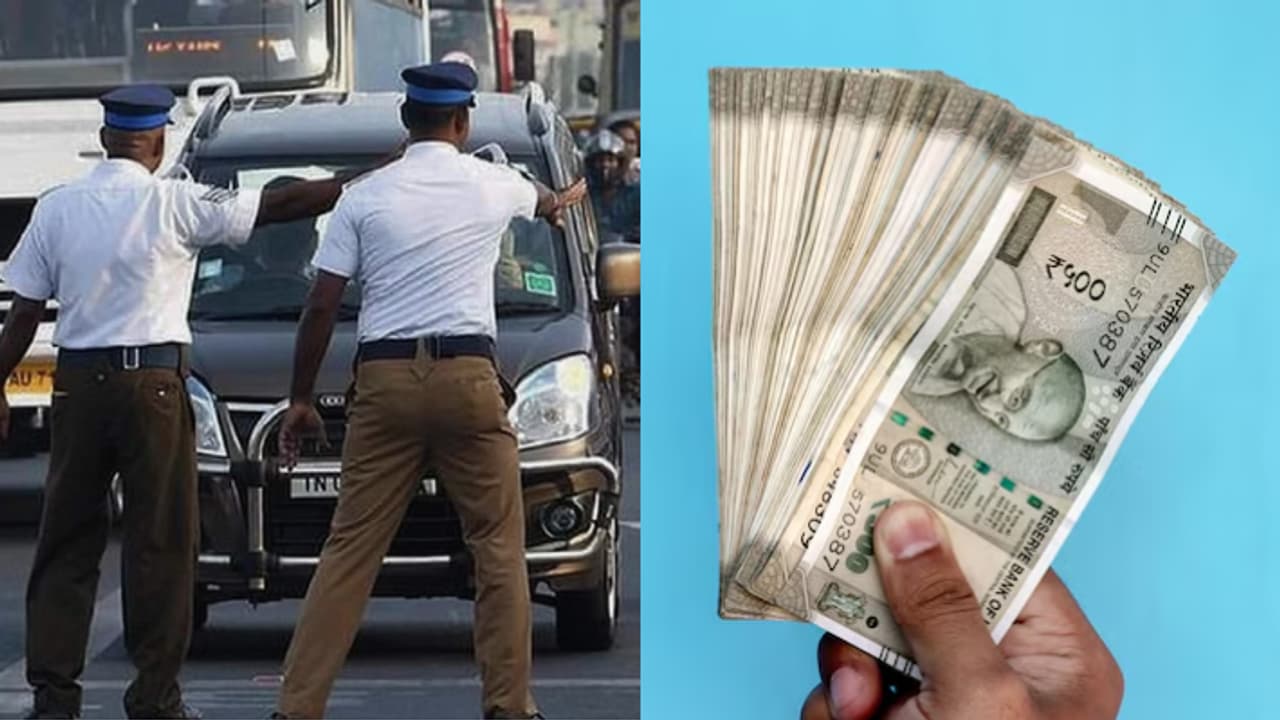
Avoid ‘traffic challan scam’. Fraudsters are cheating money by sending fake SMS and links. Pay the challan only on the official ‘Parivahan’ website. Do not click on unknown links and do not provide OTP. Call 1930 for fraud.
The shocking stories of cyber fraud in the country are never ending. In recent times, we have seen reports of cyber scams in many places including Kerala. Even though the police and cyber agencies are taking strict action on these matters, fraudsters are also trying new tricks to trap people. Recently the most talked about thing has been ‘traffic challan scam’. Many people lost their money due to this single scam. So, let us talk in detail about what to keep in mind to avoid getting caught in the traffic challan scam.
What are fake traffic challans?
Cyber thugs trap people by sending messages of fake traffic challans. People receive fake instructions to pay traffic challan through SMS, WhatsApp messages and emails. These messages may also come with PDF attachments. To make these messages appear genuine, fraudsters adopt some special methods, the signs of which are as follows.
- You will receive SMS, WhatsApp message or mail from unknown people informing you that your traffic fine is pending. To make this message appear official, official language and logo can be used.
- To send money immediately, a link or QR code will be given along with the message.
- You will be warned that if the money is not paid as soon as possible, your license will be canceled and other legal action will be taken.
- You will be asked to make payment through fake websites, third-party apps or agents that look like ‘Parivahan’ portals.
- But in such fake messages, you will not find any information like the number of the notice given, details of the vehicle or the place of the crime.
- Instead of visiting the government ‘Parivahan’ website, the message will ask you for bank account details, CVV and OTP.
How to avoid traffic challan fraud?
But as soon as you click on the link given in the message or scan the QR code, your bank account may become empty. To avoid this, first of all you have to check the message or email you receive whether it is genuine or not. Also make sure that your vehicle or license number is mentioned in the challan. Always pay the fine for breaking traffic rules through government websites like ‘Parivahan’ or MVD. Before making payment, please check the URL of the website.
- Do not share OTP, bank account information, card number or CVV with any unknown person.
- Do not click on the link sent or scan the QR code to make payment.
- Never rely on third-party apps or agents to pay traffic fines.
If you have even the slightest suspicion that you have become a victim of a cyber fraud, immediately call the National Cyber Crime Helpline number 1930. You can also lodge your complaint by visiting the website https://cybercrime.gov.in/. Note, the first 60 minutes after a cyber fraud occurs, also known as the ‘golden hour’, are very precious. Complaining during this period increases your chances of saving money.