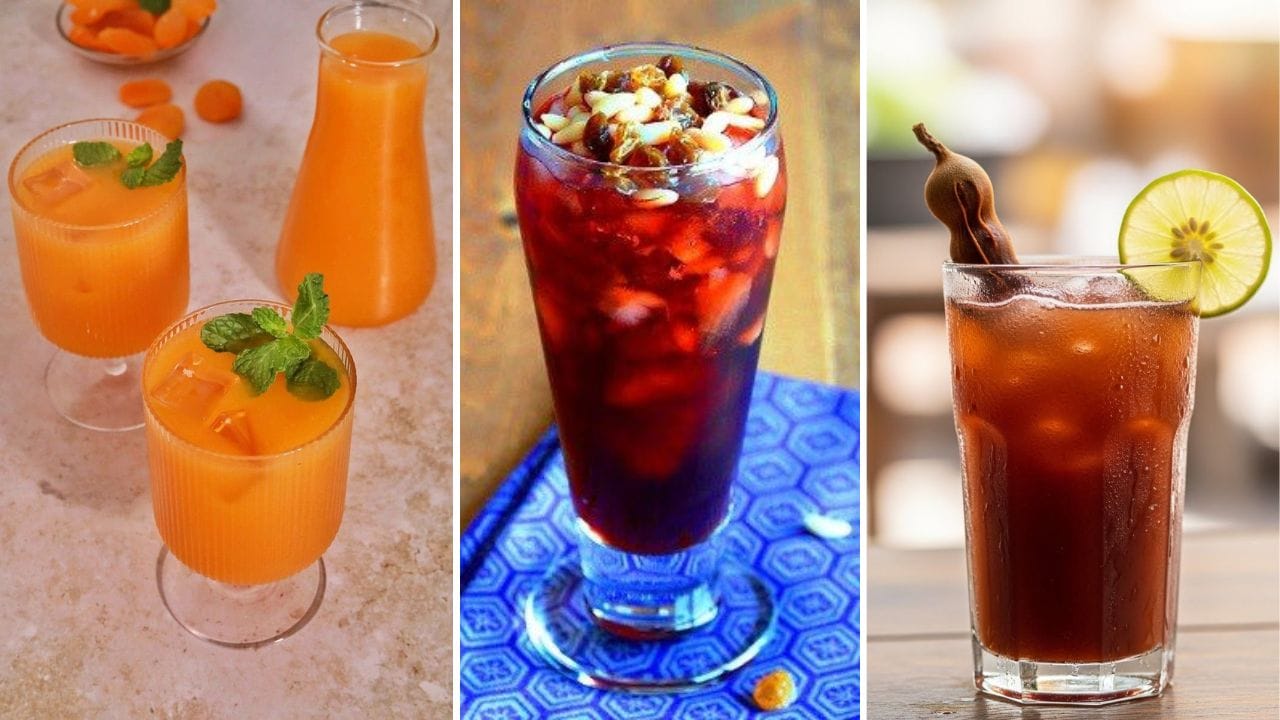
New Delhi: Ramadan fasting places unique demands on the body after long hours without food or water. Across the Middle East and South Asia, traditional drinks play a quiet yet crucial role at Iftar and Suhoor. Prepared with fruits, roots, herbs and fermented milk, these beverages restore fluids, stabilise energy and ease digestion. Unlike sugary sodas, they evolved through cultural wisdom and climate needs. Each drink serves a specific purpose, helping fasting bodies recover gently while respecting rhythms of hydration, nourishment and balance during holy month.
Today, nutrition science supports many of these age-old choices. Natural sugars replenish energy, minerals replace electrolytes, and probiotics calm digestive stress. Consumed mindfully, traditional Ramadan drinks reduce fatigue, prevent dehydration and support blood sugar control. Their continued relevance proves that fasting-friendly hydration depends less on modern formulas and more on thoughtful combinations shaped by generations of lived experience worldwide today.
Key traditional Ramadan drinks and benefits
1. Qamar al-Din or apricot drink
This thick apricot-based beverage delivers quick energy through natural sugars. Rich in vitamins and minerals, it supports digestion and helps revive energy levels immediately at Iftar.
2. Jallab energy drink
Made with carob, dates, grape molasses and rose water, Jallab provides high energy and essential nutrients. Pine nuts add texture while supporting sustained nourishment.
3. Tamarind drink
This sour-sweet drink reduces thirst effectively and replenishes natural electrolytes. Its refreshing profile makes it ideal after long fasting hours.
4. Erk el-Sous liquorice drink
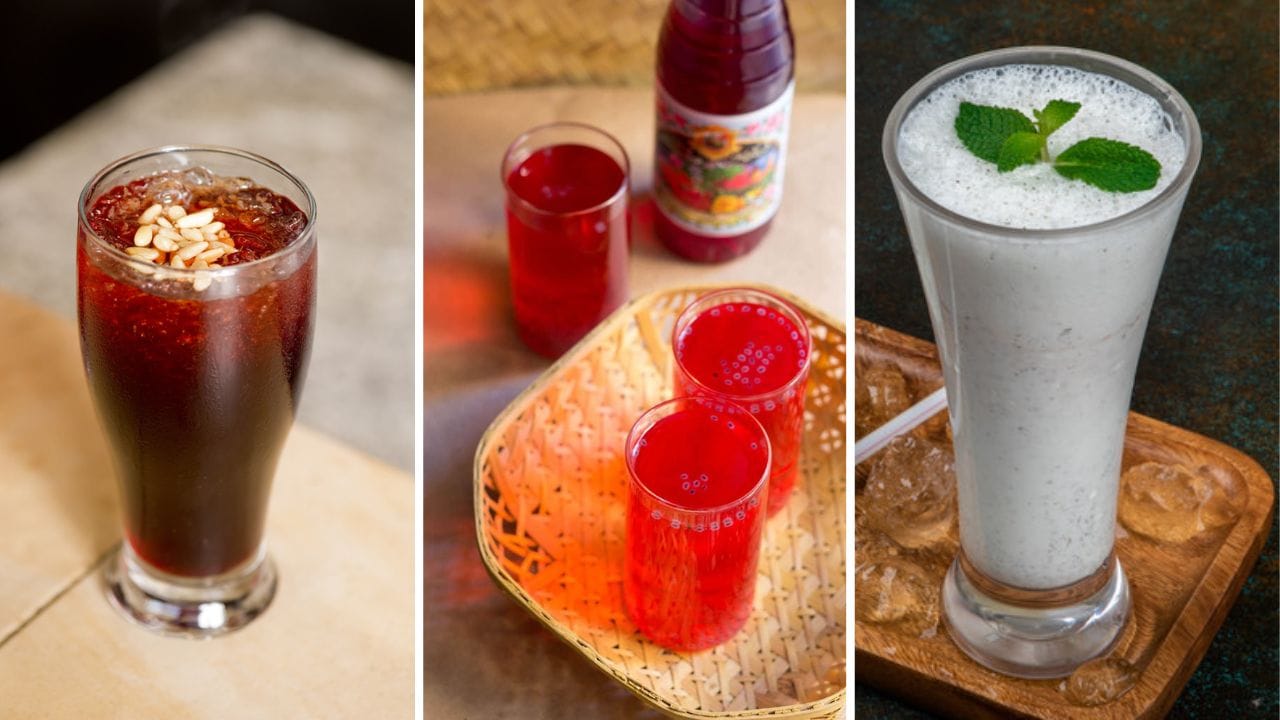
Liquorice-based Erk el-Sous supports hydration and cooling. Its slightly bitter taste helps balance fluids during fasting periods.
5. Rooh Afza cooling drink
This rose-flavoured syrup mixed with milk or water offers cooling relief. It helps ease heat stress and supports hydration during Ramadan.
6. Laban buttermilk
Fermented milk drinks provide probiotics and protein. Consumed at Suhoor or Iftar, laban supports digestion and sustained hydration.
Why traditional drinks matter for fasting bodies
1. Rapid rehydration
These drinks help restore fluids and electrolytes after extended fasting, reducing dizziness and headaches.
2. Instant energy restoration
Natural sugars raise blood sugar gently without overwhelming digestion.
3. Nutrient density
Traditional drinks supply minerals, vitamins and fibre absent in processed beverages.
4. Digestive support
Many options ease the transition between fasting and eating, preventing discomfort.
5. Sustained hydration
Milk-based drinks help maintain hydration levels throughout fasting hours.
Traditional Ramadan drinks remain essential because they respect the fasting body’s needs. Their balance of hydration, nourishment and digestion proves cultural wisdom still guides healthier fasting routines today.