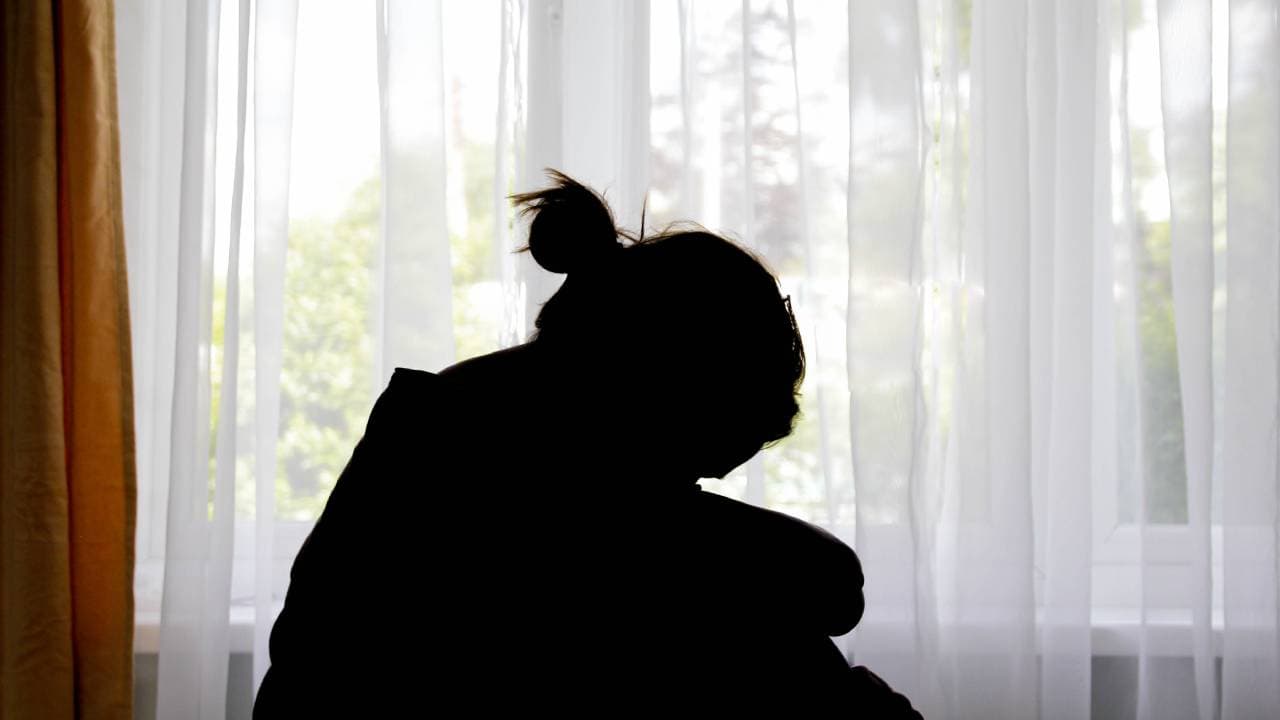
Modern Indian women face unique mental health challenges while balancing careers, family responsibilities, and societal expectations. Understanding these issues is crucial to promoting emotional well-being and creating a more supportive environment.
For present-day Indian women, grave mental health issues, that entail jugging numerous roles at home and at work, are growing increasingly troublesome. These emotional raths of well-being can be adversely affected by all the social expectations, career pressures, and personal responsibilities.
Top 5 Most Common Mental Health Challenges Faced by Modern
1. Work-Life Imbalance
In India, many women maintain a professional career with housework and caregiving. Long hours spent on the job, lack of support systems, and constant multitasking often result in stress, fatigue, and burnout.
2. Societal and Cultural Expectations
Women are still expected to behave according to certain emotional and behavioral standards by traditional norms. Such pressures toward getting married, being a mother, and looking good can cause anxiety, guilt, and plummeting self-esteem.
3. Career Pressure and Workplace Stress
Women face challenges in terms of gender bias, unequal pay, and under-representation in leadership roles. Such constant pressure to prove themselves contributes to chronic stress and self-doubt.
4. Emotional Labor and Caregiver Burnout
Women put in a lot of invisible emotional labor, from negotiating dynamics within the family to providing emotional support for others.Over time this leads to mental exhaustion, irritability, and emotional burnout.
5. Inadequate Support and Low Awareness Around Mental Health
Though the society is becoming increasingly aware of mental health matters, stigma still exists in India. There are several hurdles that prevent women from seeking help: fear of judgment, ill accessibility of resources, and lack of priority given to their own betterment over family needs.
Why It’s Important to Address These Issues
If left unattended, mental health issues can adversely influence physical health, interpersonal relationships, and the general quality of life. Once these challenges are recognized, they can be effectively tackled to create supportive environments within homes, workplaces, and society.
Open conversations, professional counseling, and workplaces that support self-care should be implemented to help women pull through mental health disorders. Empowering women to prioritize their mental health is essential for a healthier and more balanced society.