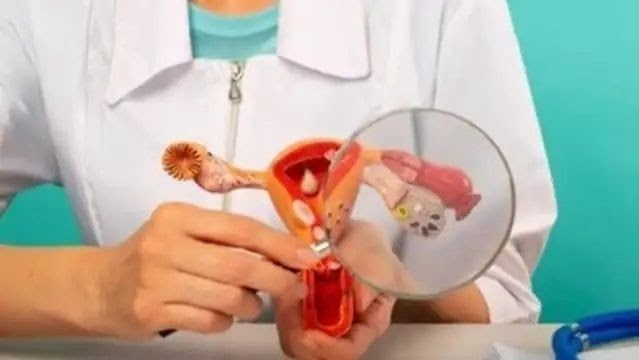
Hysterectomy is not just a medical procedure, but a turning point in a woman’s physical and emotional journey. Sometimes this surgery becomes a means of relief from unbearable pain and diseases, and sometimes it also brings with it a new chapter of hormonal changes and new health related challenges.
It is important to understand how the body reacts to this change, so that you can make your ‘fresh start’ with full awareness and self-confidence. Let us know from Dr. Lipi Sharma, Gynecologist of Sharda Care Health City, what is the removal of uterus and what are the adverse effects on a woman’s body after removal of uterus.
What is hysterectomy?
Removal of the uterus, also known as hysterectomy, is a common surgery that can be life-altering for many women. This surgery is recommended when uterine problems become severe such as heavy bleeding, pain, fibroids, endometriosis, or cancer. Although this decision can be difficult, sometimes it is necessary to improve health.
what happens after surgery
After a hysterectomy, a woman will no longer see periods because the uterus no longer bleeds. This can be a relief for many women, especially if they have been suffering from period pain or excessive bleeding for a long time. There is usually pain, fatigue, and recovery in the first few weeks after surgery, but with doctor’s advice and rest, most women gradually return to normal life.
Health effects and side effects
Some women may experience hormonal changes after a hysterectomy, especially if the ovaries were also removed. This can make menopause-like symptoms – hot flashes, mood swings, and sleep changes – more intense. If the ovaries are left in place during surgery, the body continues to produce hormones and symptoms may remain mild.
Sometimes women may experience urinary issues or sexual changes such as dryness or pain during sex. These changes are normal and can be improved with medical advice and special therapy.
Who is affected and why
Every woman’s experience is different. Young women who wish to conceive in the future may face emotional challenges. At the same time, it can be a source of relief for women whose quality of life is improving only through surgery.
Management and role of doctor
After hysterectomy, regular check-ups and doctor’s monitoring are necessary. The doctor will look at your hormone levels, vitamin D, calcium, bone strength and psychological state. If symptoms are severe, measures such as hormone replacement therapy (HRT), nutrition, exercise, and mental support may be recommended.
Advice
Having a hysterectomy is a path to recovery for many women, but it can be followed by body changes and some side effects. Timely advice, right information, and personal care make these changes easier to understand and manage. If you experience any new symptoms or changes, talk to your doctor without delay.