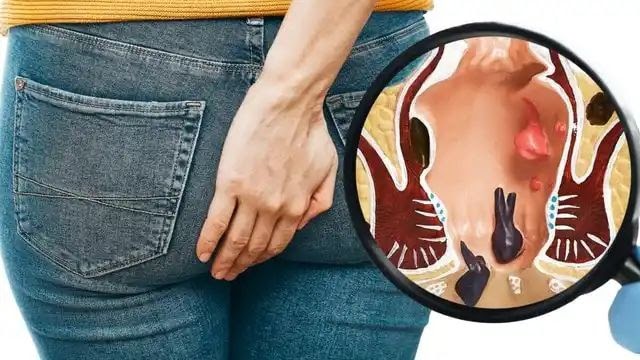
Piles (hemorrhoids) is such a disease that if not treated at the right time, it can become fatal. People still feel shy to talk about this disease and this is the reason why people keep struggling with it.
Sometimes the problem of piles increases and takes the form of a serious disease. A 26-year-old girl ignored the disease thinking it was piles for 3 years and then found out that it was rectum cancer. Doctors advise that if you notice any symptoms in your body for a long time, then get a checkup done immediately. Most people think that piles occur only in men, whereas this is not true. Now this disease is increasing rapidly in women also. At its very beginning, some symptoms start appearing in the body, which are very important to know. Otherwise this disease will become serious. Let us tell you what are the symptoms of piles.
Why do piles occur in women?
C Kolanadasamy, senior doctor of Raila Hospital, Chennai, said that today’s lifestyle is causing the problem of piles in women. Eating less fibre, drinking less water, sitting for a long time, no physical activity, constipation problem, all these things cause piles. Especially people who suffer from constipation definitely get piles.
what are the symptoms
-Pain while passing stool.
-No stool for several days.
-Bleeding while defecating.
-Warts appearing near the pulp.
-Problem of itching and burning sensation near the pulp.
-Mucus-like discharge with stool.
what is the treatment
According to the doctor, you have to include fiber rich things in your diet. Start drinking plenty of water and eat green vegetables. Do not remain sitting for a long time, this also increases the problem. If constipation persists, start drinking lukewarm water after waking up in the morning. If piles have occurred and there is continuous bleeding and pain, consult a doctor immediately.
Note- This news is based on general information. For any specific information, seek appropriate advice from a health expert.