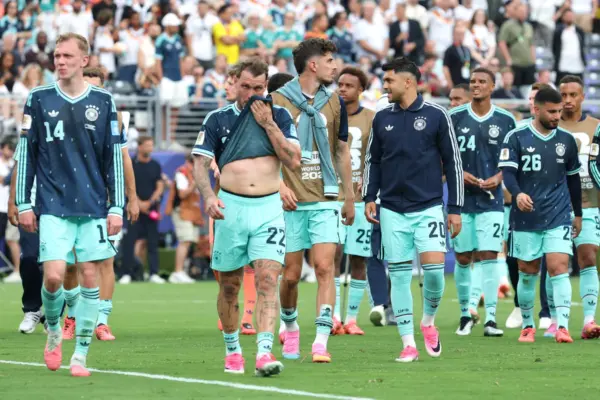
Top spot in Group E, 10 goals scored and two wins from three. And yet, an air of disappointment.
While Germany’s 2-1 loss to Ecuador was celebrated raucously in the stands of the New York New Jersey Stadium, it changed little for the four-time World Cup winners, who had wrapped up first place in their group five days earlier.
However, as the players wandered around the pitch at full-time, it felt like an admission of defeat in more ways than one.
After , a place in the last 32 – and their first World Cup knockout game since the 2014 final – is an achievement for Germany, if an expected one. However, this is a nation that dreams big every four years, and on the same pitch where the final will be held in a few weeks, they produced a performance that suggested they’ll have flown home long before 19 July.
It all started so well too, Leroy Sane opening the scoring inside two minutes. It was a well-taken finish, though Aleksandar Pavlovic can count himself lucky that a high foot wasn’t penalised in the build-up.
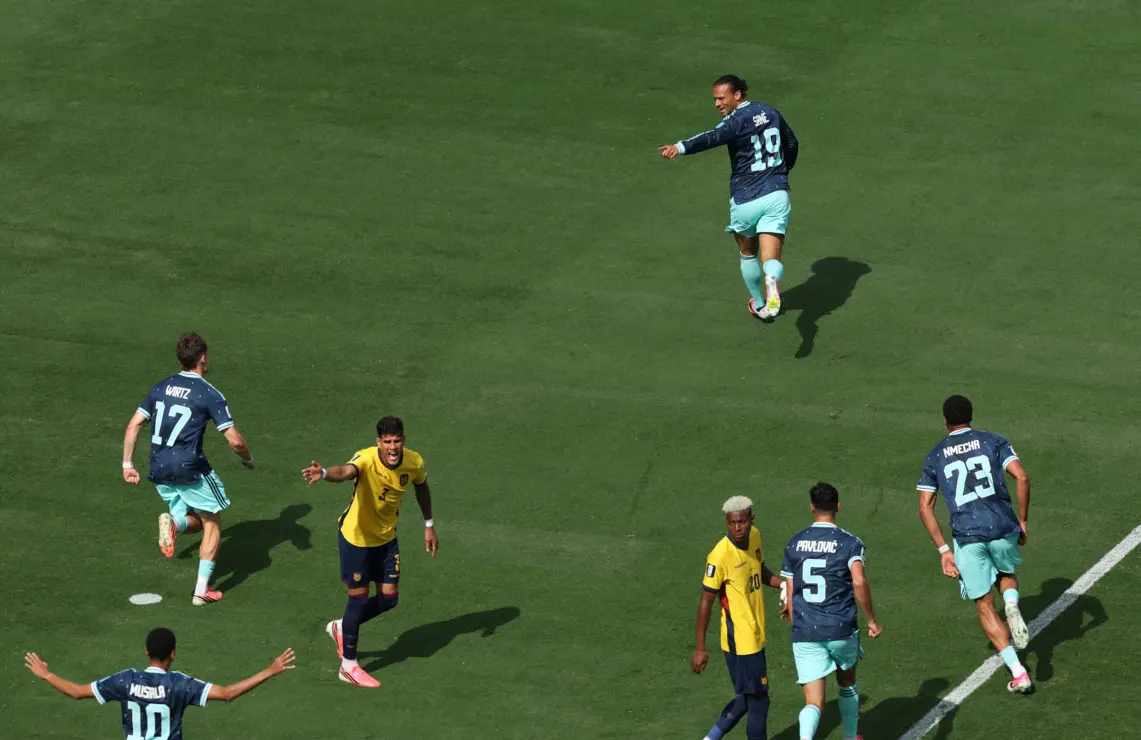
But if players and fans had hoped that would be a sign of things to come, they were in for a rude awakening. Ecuador were level within seven minutes, Nilson Angulo getting his own slice of fortune as a superb strike went through the legs of the onrushing defender as it flew into the corner.
It was a moment that sparked the game into life, and for a while Germany looked shellshocked, unable to handle Ecuador’s intensity and looking sloppy in possession.
Even as they began to find their feet in possession again it was far too pedestrian. Neither side was able to dominate throughout the first half, but while Germany saw plenty of the ball, there was a lot of probing but very little of substance in their attacking play.
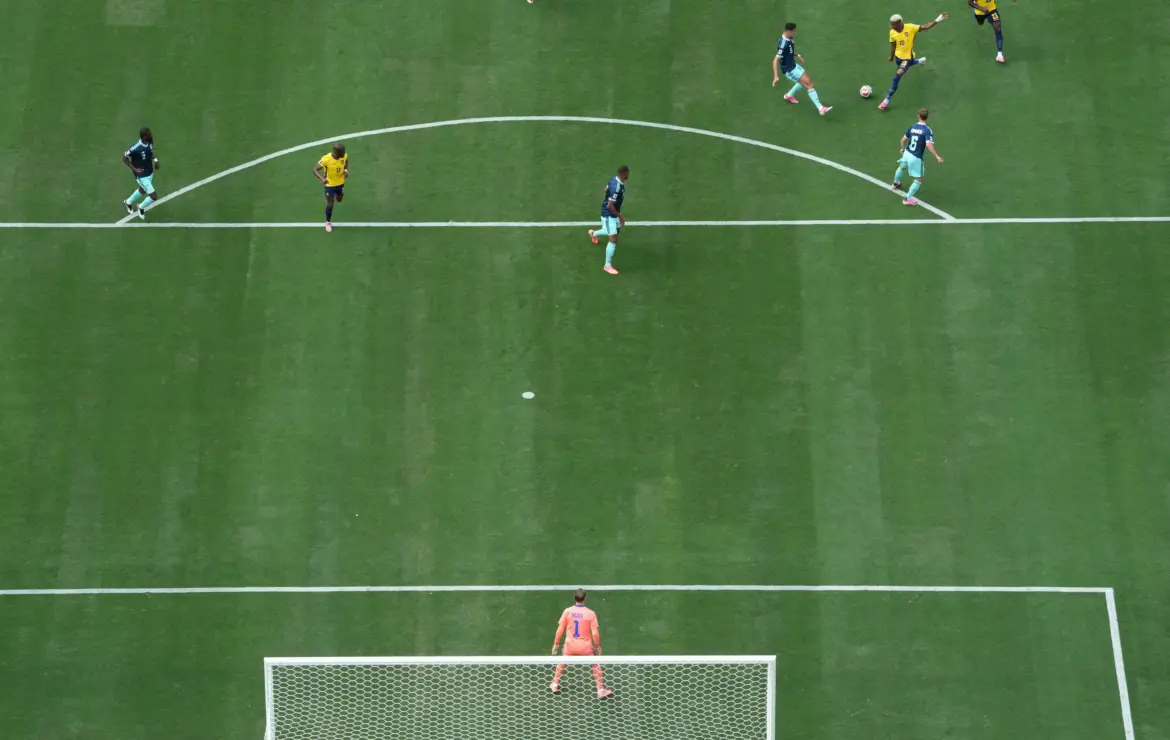
It was not the type of football many associate with Germany, though it is something we’ve become more used to seeing after the group stage exits in the last two World Cups.
“In the weeks leading up to the World Cup, the key issue was that this team needed time to develop chemistry because they hadn’t played many matches together,” said Germany manager Julian Nagelsmann in his pre-match conference. It was clear for all to see in East Rutherford, and combined with a clunky starting XI, injuries and a lack of quality, it feels like it will be Germany’s undoing this summer.
The struggles of Joshua Kimmich at right-back and the lack of threat offered by Florian Wirtz and Kai Havertz in attack were a reminder that some of the nation’s best players are being shoehorned into the side due to a lack of alternatives. Kimmich spent most of the season playing in central midfield for Bayern Munich, while Wirtz has proved far more effective down the middle for Liverpool.
As for Havertz, the debate over his abilities as a striker will rage on, while you suspect that in an ideal world Nagelsmann would have better alternatives to Leroy Sane too.
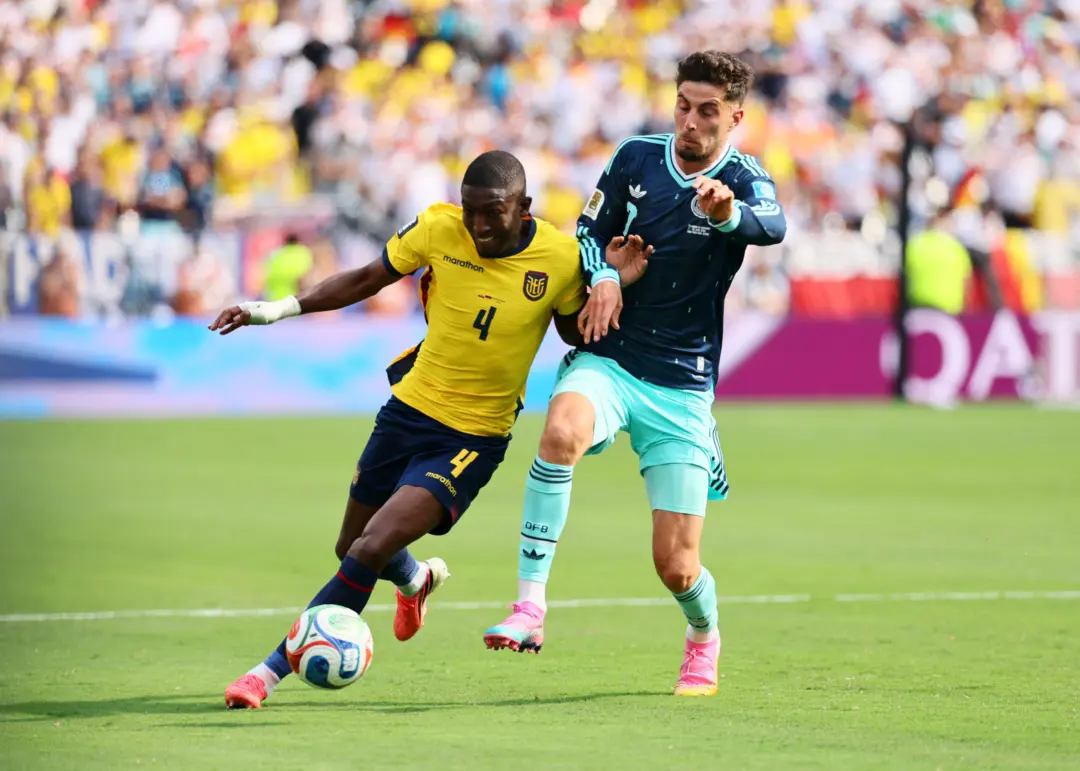
That is no criticism of Nagelsmann either, with the Germany boss simply trying to make the most of his mixed resources. There are few viable – or better – alternatives to Kimmich, Sane and Wirtz, for example, though perhaps he could help himself by starting Deniz Undav in the last 32.
As the game wore on, the lack of chemistry was apparent, with players chasing loose passes, making the wrong runs and failing to pick out teammates. It was summed up in a late mix-up between Tah and Neuer, the defender prodding the ball past his onrushing goalkeeper moments before Gonzalo Plata fired narrowly over the bar.
Havertz, Wirtz and Kimmich all came off, though with Pascal Gross replacing the Liverpool man and centre-back Malick Thiaw also shoehorned in at right-back, only Angelo Stiller felt like a reasonable replacement as he came on for Pavlovic.
Of course, the quality of some players in the starting XI meant that Germany still created chances. The penalty decision at the beginning of the second half would have been a cruel – if entirely self-inflicted – way for Ecuador to fall behind again, but it neatly summed up the game in a way, as it began to feel like a moment of Ecuador madness would be the only way through for Germany.
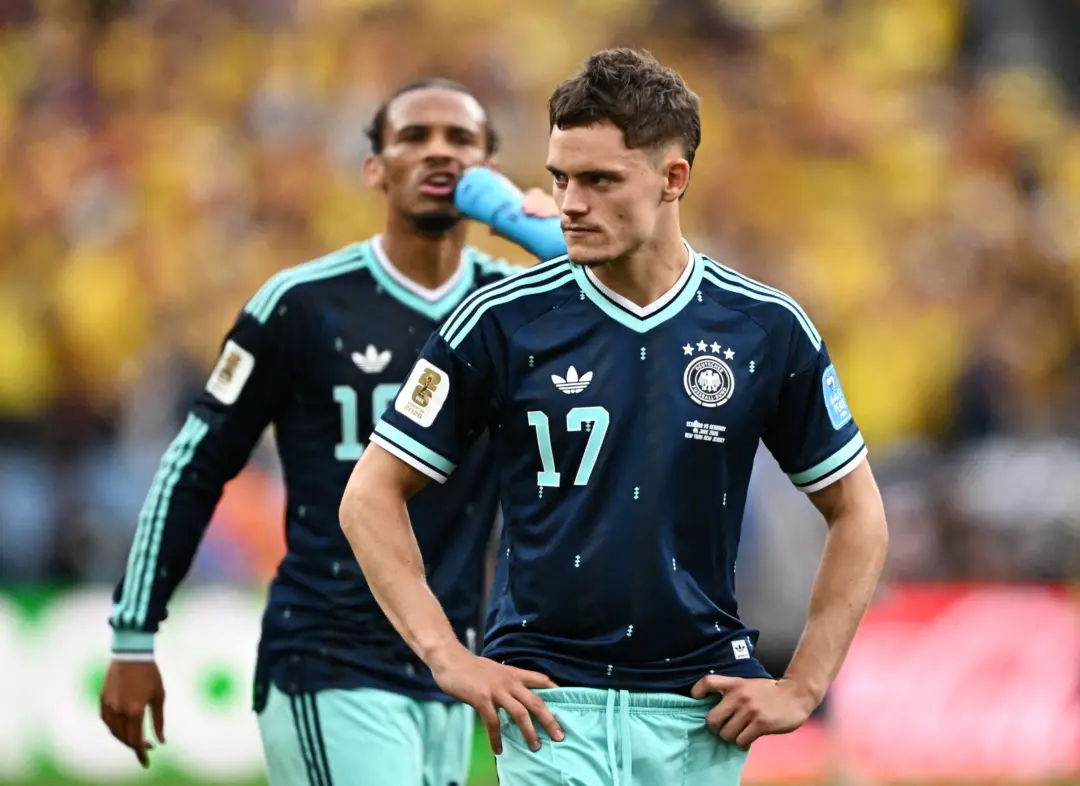
Later on, Sane blew the best chance of the second half at one end – scuffing his effort and firing it straight at Hernán Galindez – before a brilliant block from Stiller at the other saved Germany.
Even then, it was only for a moment, with Plata bundling in from a corner seconds later. It further summed up Germany’s day. Kevin Rodriuguez won the first ball, Neuer was too slow to react, Tah was too busy grabbing a handful of a shirt rather than getting goal-side, and Plata fired home. A lack of aggression and a lack of physicality were problems throughout, and they combined as Germany conceded again.
As full-time loomed, players raced to recover loose passes and the forwards toiled, but Germany fell to a defeat that feels like the true representation of their 2026 World Cup campaign so far. Wins against Curacao and the Ivory Coast have papered over cracks; having better players will inevitably win you some games, but the level of individual talent in this set-up won’t win Germany this World Cup.
The expanded format and a kind draw means they have avoided the disasters of 2018 and 2022, and will play their first World Cup knockout game since 2014 in Boston on 29 June.
But while the expanded format means that game will come against the likes of Scotland or Paraguay, France could be waiting in the last 16. For Germany, it feels like the end of the road will come sooner rather than later in another tournament to forget.