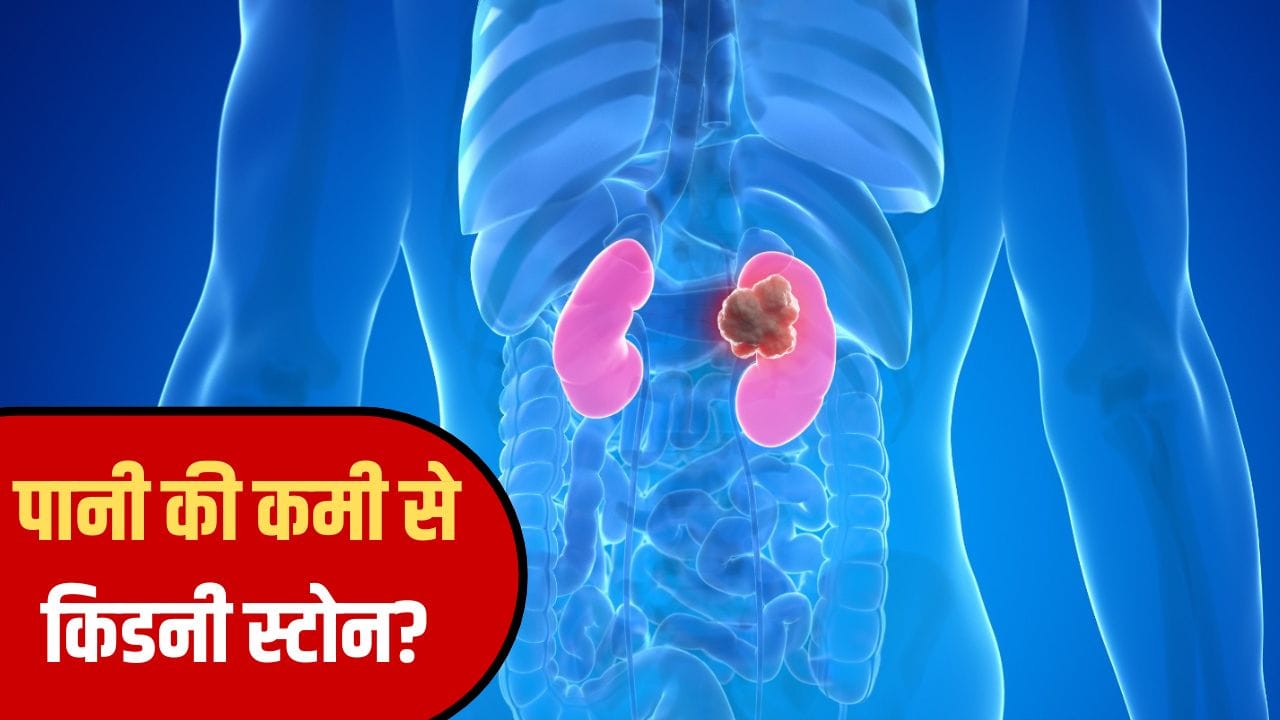
kidney stoneImage Credit source: Getty Images
Many people have the habit of drinking less water throughout the day. Rush life, work pressure and lack of thirst become the major reasons for this. Often people consider it normal and do not pay attention to it, but not getting enough water in the body can give rise to many serious problems. Water helps in flushing out the dirty elements from the body, but when its quantity decreases, the balance of the body starts deteriorating. Initially its symptoms may be mild, which people ignore. Gradually this problem can increase and take the form of kidney stones.
In such a situation, the habit of drinking less water should not be taken lightly. Let us know how to develop the habit of drinking less water. kidney stone What are its causes, symptoms and methods of prevention?
How does the habit of drinking less water cause kidney stones?
Dr. Himanshu Verma in the Department of Nephrology at Safdarjung Hospital It is said that when the body does not get enough water, the amount of urine reduces. Due to this, the minerals and salt present in the kidneys are not able to come out properly and gradually start accumulating. These accumulated elements later take the form of kidney stones.
Continuously drinking less water makes urine thick, which increases the chances of stone formation. People who sweat a lot, consume very little fluid or have a diet high in salt and protein are at greater risk. Apart from this, stopping urination for a long time and drinking less water in winter are also considered risk factors for kidney stones.
What are the symptoms of water deficiency?
Due to lack of water, the body starts giving many signals. Frequent feeling of fatigue, dry mouth and headache are common symptoms. Dark yellow color of urine can also be a sign of dehydration. Some people experience dizziness, constipation and dryness of the skin.
If lack of water continues for a long time, kidney related problems may increase and pain in the stomach or lower back may also occur.
how to protect
Drink adequate amount of water throughout the day.
Make a habit of drinking water even if you don’t feel thirsty.
Do not reduce watering even in winter.
Avoid excess salt and junk food.
Give up the habit of stopping urination.
If the problem increases, consult a doctor.