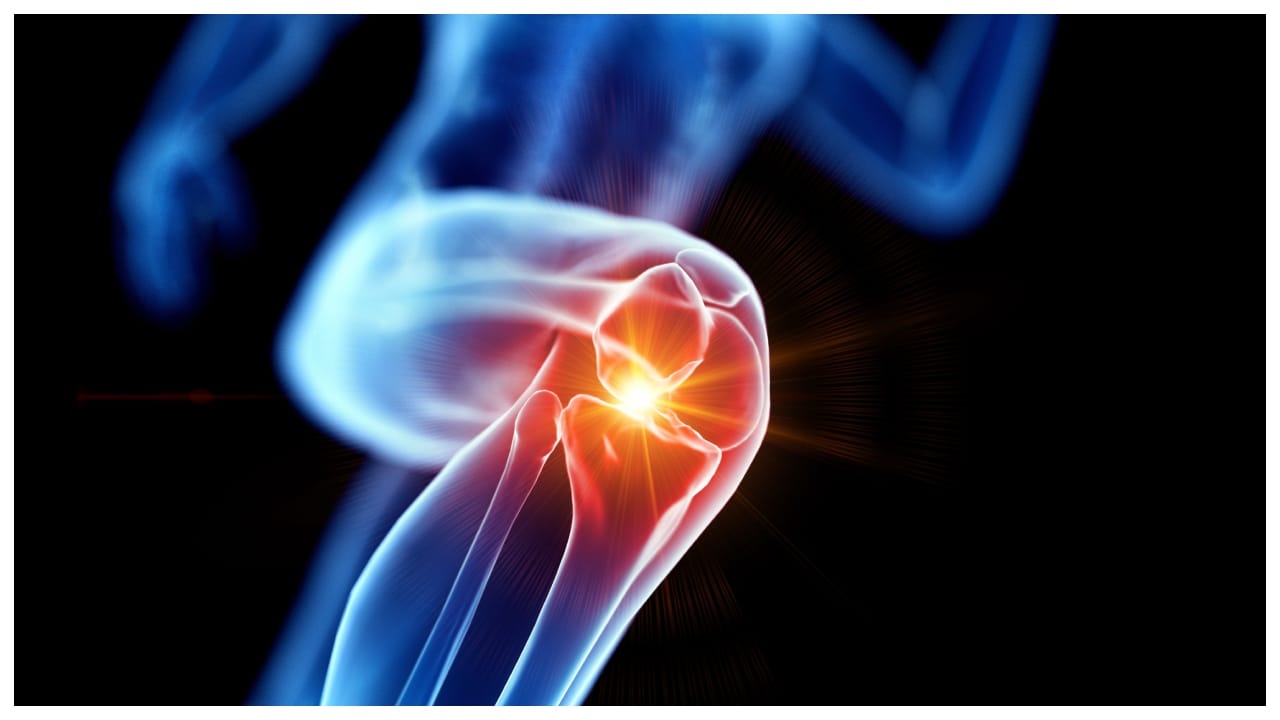
New Delhi: Running is often touted as the ultimate exercise—accessible, efficient, and great for cardiovascular health. But knee pain and injuries among young runners are on the rise, and footwear plays a surprisingly big role. The wrong pair of running shoes can subtly, yet steadily, stress the knees and joints, sometimes long before pain becomes noticeable.
In an interaction with News9Live, Dr Brahmaraju T J, Sr Consultant – Orthopaedics & Joint Replacement Surgery, Gleneagles BGS Hospital, Kengeri, Bengaluru, explained the biomechanics of running shoes.
Why shoes matter for knees
Every time you take a step while running, your knees take on two to three times your body weight. How your foot lands, how the weight moves through your leg, and how the knee twists all matter—and shoes play a key role in guiding that motion, not just making your run feel comfortable. A small mismatch can ripple up the leg, leading to chronic strain.
Common footwear mistakes
- Wearing old or worn-out shoes: Cushioning and midsole support degrade over time. Even shoes that look fine on the outside may no longer absorb impact efficiently.
- Choosing shoes purely by style: Many runners select shoes based on trends or color rather than foot type or gait. A shoe that doesn’t match your pronation (how your foot rolls inward or outward) can misalign the knee.
- Ignoring arch type: Flat feet or high arches require different support. Using the wrong shoe can increase rotational stress on the knee, leading to conditions like patellofemoral pain syndrome.
- Over-cushioning or under-cushioning: Too much cushioning can make the foot unstable, while too little can fail to absorb shock, both increasing knee strain.
How improper shoes cause knee problems
When shoes don’t fit your foot mechanics, several things happen:
- The knee tracks incorrectly during movement, increasing friction on cartilage
- Shock from impact isn’t absorbed properly, stressing ligaments and menisci
- Minor rotational misalignments accumulate over time, leading to inflammation and pain
Even short-term misalignment may not cause immediate injury, but repeated stress over weeks and months quietly alters joint health.
Signs your shoes might be harming your knees
- Persistent knee discomfort after runs
- Swelling or stiffness in the joint
- Pain that worsens with stairs or squats
- Uneven wear on the soles of your shoes
If any of these appear, it may not just be your knees—it could be the shoes.
How to choose the right running shoes
- Get a gait analysis: Many sports stores or physiotherapy clinics offer treadmill assessments to see how your foot moves during running.
- Know your foot type: Flat, neutral, or high-arched feet each need different support. Insoles can help if your shoe doesn’t naturally match your anatomy.
- Check cushioning and stability: Look for shoes that balance shock absorption with firm support to guide natural movement.
- Replace shoes regularly: Most running shoes last 400–600 km. Beyond that, they lose impact absorption and stability.
- Listen to your body: Knee pain, shin splints, or recurring joint discomfort are warning signs, not normal “break-in” sensations.
Small adjustments, big impact: Sometimes, simple changes make a huge difference. Switching shoes, adding supportive insoles, adjusting running technique, or even alternating surfaces (treadmill vs. track vs. trail) can relieve knee stress and prevent early osteoarthritis.
The takeaway
Running can stay easy on your joints for a lifetime—but only if shoes, movement, and training work together. Picking the right pair isn’t just about comfort; it helps protect your knees from the gradual stress that builds long before pain shows up. A few thoughtful choices now can keep your knees strong and your runs comfortable for years.