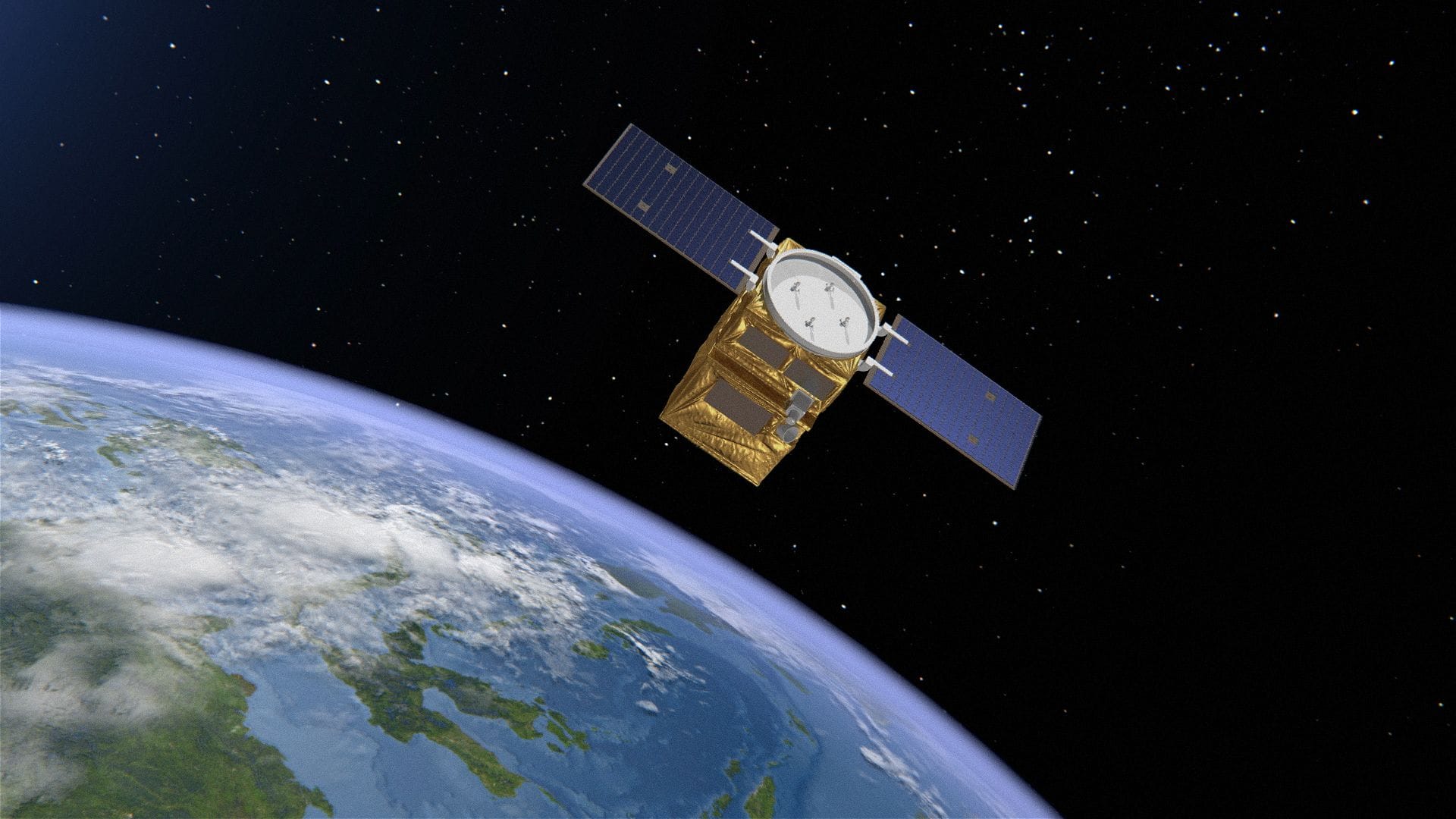
New Delhi: Thailand’s Geo-Informatics and Space Technology Development Agency (GISTDA) has issued a statement after the loss of the THEOS-2A satellite during the anomalous flight of ISRO’s PSLV-C62 rocket yesterday. The rocket lifted off to favourable weather conditions from ISRO’s spaceport in Sriharikota, with the performance of the first and second stages being nominal. At the end of a planned coast with the third stage, the rocket began to tumble, resulting in a suborbital flight. The THEOS-2A satellite was lost along with the 14 other passengers, but the Kestrel Initial Demonstrator cargo capsule by Spanish New Space Startup Orbital Paradigm survived.
แถลงการณ์ ผลการนำส่งดาวเทียม THEOS-2A
ตามที่ สำนักงานพัฒนาเทคโนโลยีอวกาศและภูมิสารสนเทศ (องค์การมหาชน) หรือ GISTDA ได้มีกำหนดการนำส่งดาวเทียม THEOS-2A ขึ้นสู่วงโคจรด้วยจรวดนำส่ง PSLV-C62 ขององค์การวิจัยอวกาศอินเดีย (ISRO) เมื่อวันจันทร์ที่ 12 มกราคม 2569 เวลา 11.48 น.… pic.twitter.com/gZWZa1qYDo
— GISTDA_Space (@GISTDA) January 13, 2026
According to GISTDA, “For the THEOS-2A satellite, launch insurance (Launch Insurance) was in place, covering rebuilding (Rebuilt) and relaunch (Relaunch) in the event of an unsuccessful launch. Discussions on the details will now take place, and once a conclusion is reached on the next course of action, GISTDA will provide further updates to the public.” The rocket re-entered the atmosphere of the Earth and burned up over the southern Indian Ocean, in a remote location away from communities, posing no risk to people or property on the ground.
GISTDA committed to building more satellites
GISTDA went on to say, “Although the THEOS-2A satellite did not reach its designated orbit due to this technical issue during launch, the project has demonstrated Thailand’s success in building readiness among its personnel for satellite development. GISTDA and its engineering team remain committed to applying the knowledge gained from building THEOS-2A to develop new Thai satellites, enhancing the country’s space technology capabilities for comprehensive national development in all dimensions.” This is the first time that ISRO has lost satellites for foreign customers, and a pair of back-to-back failures of ISRO’s workhorse rocket raises questions on transparency and quality assurance.