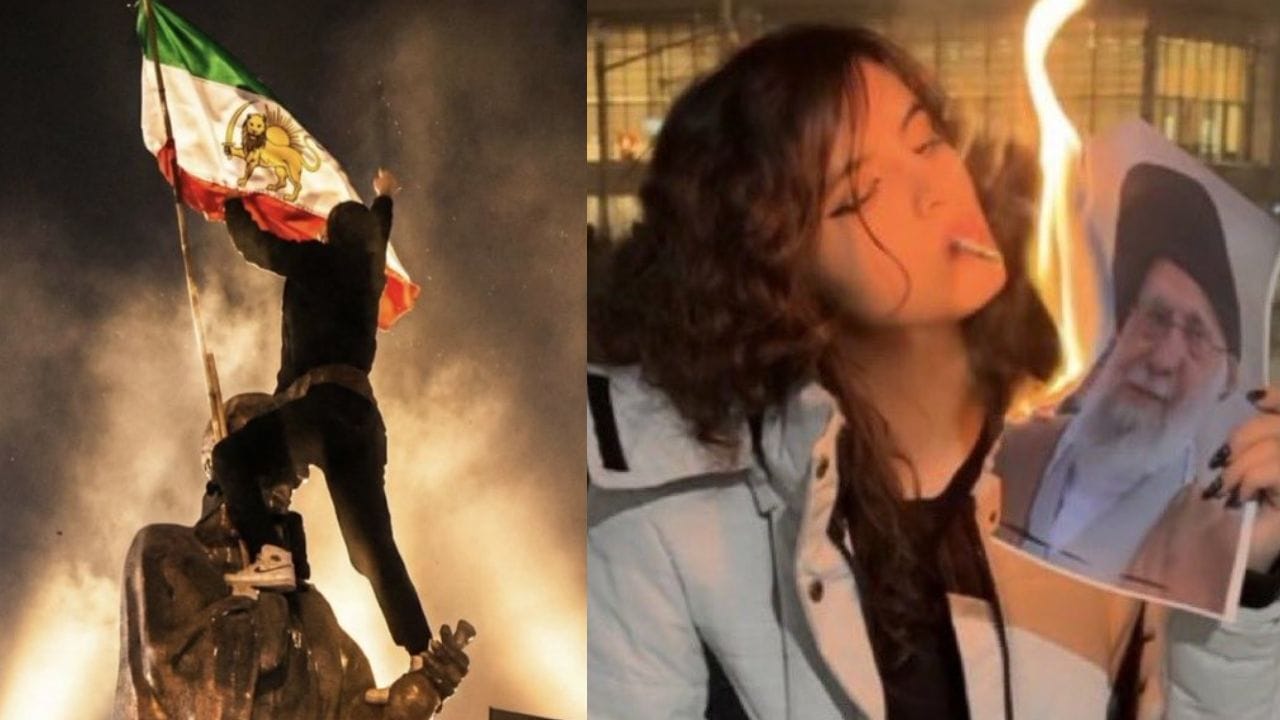
New Delhi: The widespread protests in Iran, which began over economic grievances, have increasingly reflected broader discontent with the country’s foreign policy. Iranian authorities have blamed the US and Israel for instigating the unrest, accusing Washington of interfering in Iran’s internal affairs amid nationwide protests against the Khamenei-led government.
Following the unrest, the Islamic Republic approached the United Nations Security Council, accusing the US of fomenting “subversive acts and vandalism” within the country. The development comes as protests enter their tenth day, with the central government responding by shutting down internet services and cutting telephone lines in a bid to curb mobilisation.
Spreading hatred through ‘threats , incitement..’
Iran’s UN envoy Amir Saeid Iravani described the unrest as the result of the “ongoing, unlawful, and irresponsible conduct of the United States,” alleging that the actions were carried out in coordination with Israel. He claimed that both countries had devised a plan to interfere in Iran’s internal affairs through “threats, incitement, and the deliberate encouragement of instability and violence.”
Iravani further accused the US of engaging in “destabilising practices” that undermine the UN Charter, violate international law, and threaten global peace and security. His remarks come at a time when Tehran is facing mounting pressure both domestically and internationally.
Tensions escalated further after US President Donald Trump openly expressed support for the protesters, saying, “Iran is in big trouble. It looks to me that the people are taking over certain cities that nobody thought were really possible a few weeks ago.”
‘Rejection of regime’s prioritisation of anti-Israel policies’
Meanwhile, protests across Iranian cities have increasingly highlighted frustration with Tehran’s regional policies, particularly its hostility toward Israel. Slogans such as “Neither Gaza, nor Lebanon — my life is only for Iran” reflect anger over Iran’s support for proxy groups like Hezbollah and Hamas, which many protesters view as an economic burden contributing to sanctions, inflation, and declining living standards.
This sentiment does not necessarily indicate support for Israel but rather a rejection of the regime’s prioritisation of anti-Israel and anti-Western policies over economic survival. For some demonstrators, the unrest also signals a broader desire for systemic change, with occasional references to the pre-1979 Pahlavi era, when Iran maintained closer ties with the US and Israel.