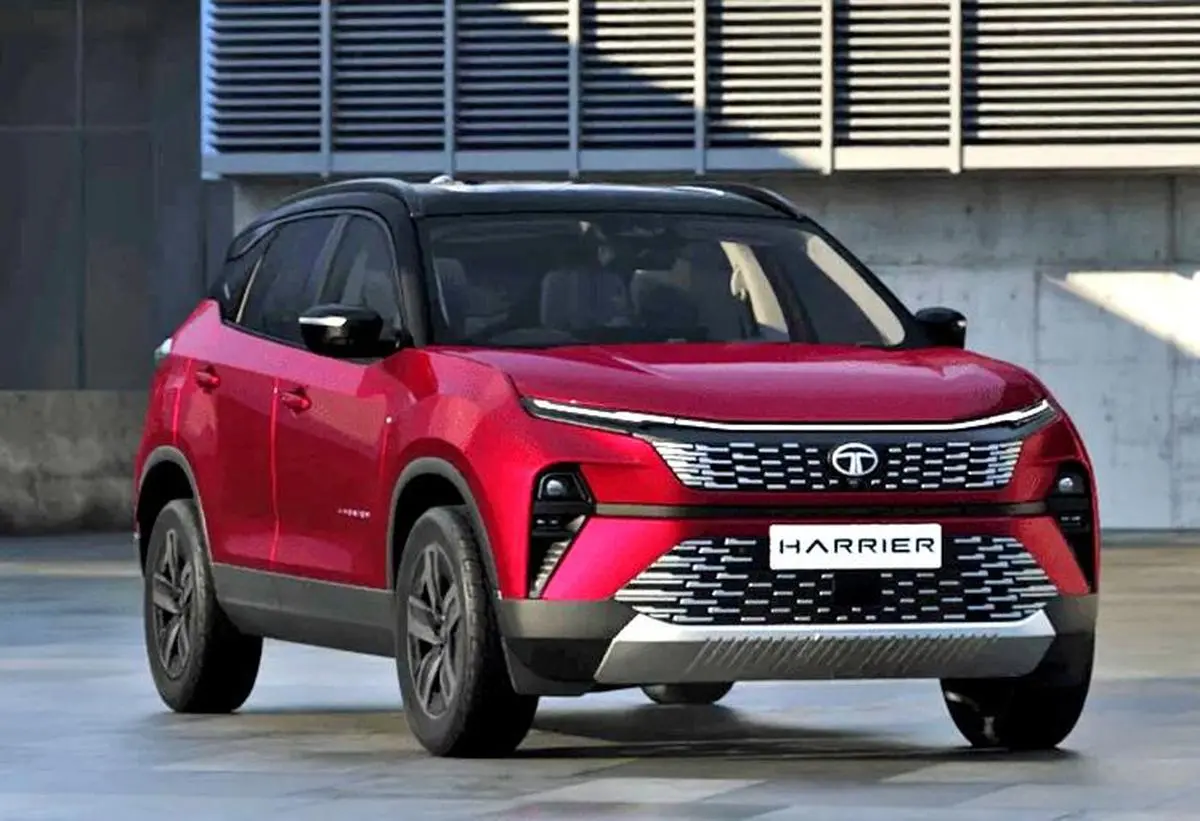
Tata Motors Passenger Vehicles (TMPV) on Friday said it will raise prices of its cars and SUVs by up to 1.5% from July 1, a move that, according to industry estimates, could leave some Harrier and Safari variants as much as ₹50,000 costlier than at the start of the fiscal year while bringing the company’s electric vehicle portfolio into the price-hike cycle for the first time in FY27.
The increase, which will apply across both internal-combustion engine (ICE) and electric vehicle (EV) models, is aimed at partially offsetting rising input costs and sustained inflationary pressures, with the extent of the revision varying across models and variants, the company said.
For Tata buyers, the July revision effectively creates a second round of hikes within three months for many petrol and diesel models. According to industry estimates, entry models such as the Tiago, Tigor and Altroz could now be ₹9,000-16,000 more expensive than before the company’s first FY27 price revision.
The cumulative increase rises to roughly ₹10,000-15,000 for the Punch, while buyers of Nexon and Curvv ICE variants may now be paying ₹18,000-28,000 more than at the beginning of the fiscal year.
The biggest impact is visible in Tata’s SUV range. According to industry estimates, buyers of the Punch, Nexon and Curvv, the company’s volume and margin drivers, are seeing cumulative increases that run well beyond those on its entry hatchbacks.
At the premium end, cumulative increases on the Harrier and Safari could range between ₹35,000 and ₹50,000 compared with prices at the start of FY27, among the largest absolute increases in the company’s portfolio this year.
THE EV CATCH-UP
The July revision also marks the first major FY27 price adjustment for Tata’s EV range, which had largely escaped the earlier ICE-led revision.
While ICE buyers are absorbing a second round of increases this fiscal year, EV buyers are entering the price-hike cycle for the first time. According to industry estimates, the Tiago EV could become ₹8,000-12,000 more expensive, the Punch EV ₹10,000-15,000 costlier, while higher-end Nexon EV and Curvv EV variants may see increases of roughly ₹20,000-28,000 depending on battery pack and trim levels.
“This price revision is being undertaken to partially offset the impact of rising input costs and sustained inflationary pressures. While TMPV continues to absorb a significant portion of these increases, a part of the impact is being passed on to customers,” the company said.
PASSING ON THE BILL
Tata’s move is part of a broader repricing cycle unfolding across India’s passenger vehicle industry.
According to industry estimates, Mahindra & Mahindra’s earlier FY27 revisions have lifted prices of models such as the XUV700, Scorpio-N and Thar by roughly ₹35,000-55,000, among the steepest cumulative increases in the market. Maruti Suzuki has announced hikes of up to ₹30,000 across models including the WagonR, Swift, Brezza, Fronx and Grand Vitara, while Hyundai Motor India’s recent revisions have generally been capped at up to ₹12,800 across products such as the Grand i10 Nios, Venue and Creta.
In the entry-car segment, Maruti Suzuki has announced price increases of up to ₹30,000 across several models, a higher headline increase than the ₹9,000-16,000 cumulative rise estimated for Tata’s Tiago, Tigor and Altroz..
“At the other end of the market, Hyundai has so far taken the softest pricing approach among major carmakers, with recent increases capped at up to ₹12,800 across its portfolio, well below the cumulative hikes estimated for Tata’s Harrier and Safari or Mahindra’s XUV700 and Scorpio-N.
Recent price hikes have pushed Tata and Mahindra to record the steepest cumulative increases, particularly in SUVs, where demand remains relatively resilient.
The comparison highlights how automakers are increasingly relying on pricing power to protect profitability as investments in electrification, advanced safety systems, software-enabled features and future emission-compliance requirements push up costs.
For buyers, the result is clear: both conventional and electric vehicles are becoming more expensive. What began as isolated price revisions has evolved into a broader industry trend, with some of India’s most popular SUVs now costing tens of thousands of rupees more than they did at the start of the fiscal year.