Tata Motors Passenger Vehicles sold 63,760 units in July 2026, up 59% year-on-year, with electric vehicle sales crossing 15,000 units in a single month for the first time ever. EV sales specifically more than doubled to 15,217 units, up 114% from 7,124 units in July 2025, now making up roughly 24% of Tata’s total passenger vehicle volume compared to 18% a year ago. This matters because Tata also reported its highest-ever VAHAN registrations for the month, meaning the wholesale numbers reflect genuine customer deliveries rather than dealers simply stocking up on unsold inventory. Here’s how the numbers break down, and what’s actually driving the EV growth.
Tata Motors July 2026 Sales: Overall Breakdown
Domestic passenger vehicle sales rose 58% to 62,611 units from 39,521 units a year earlier, while international business sales grew 76% to 1,149 units from 654 units. This marks Tata’s second consecutive month crossing 60,000 total passenger vehicle sales, following a similarly strong June and domestic volumes stayed broadly flat month-on-month rather than dropping off after June’s performance, a sign the growth isn’t a one-off spike. separately confirmed the Punch recorded its highest-ever monthly sales during July, suggesting the compact SUV segment contributed meaningfully to the overall total alongside the EV surge.

Tata Punch EV
What’s Driving The EV Growth?
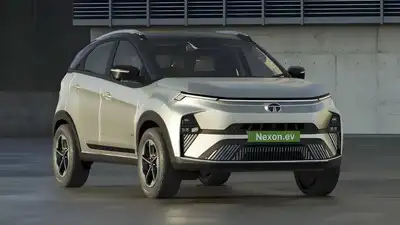
Tata’s electric lineup spans a wide range of models like the Tiago EV, Tigor EV, Sierra EV, Punch EV, Curvv EV and Harrier EV, giving the brand coverage across budget, compact SUV and premium SUV segments instead of relying on a single flagship model. Crossing 15,000 monthly EV units for the first time, combined with EV penetration rising from 18% to roughly 24% of total sales year-on-year points to broader adoption across this expanded range rather than growth concentrated in just one or two models. This is a meaningfully different pattern from Tata’s earlier EV sales, which leaned heavily on the Nexon EV and Tiago EV alone.
What This Means For Buyers?
Strong monthly sales numbers like this typically translate to healthy dealer stock and shorter waiting periods which is useful information if you’re currently comparing an EV purchase and want to gauge how readily available a specific Tata EV model is likely to be. It’s also worth noting these are wholesale figures covering both domestic and international markets, so buyers should still confirm actual delivery timelines with their local dealer instead of assuming national sales momentum guarantees immediate stock in every city.