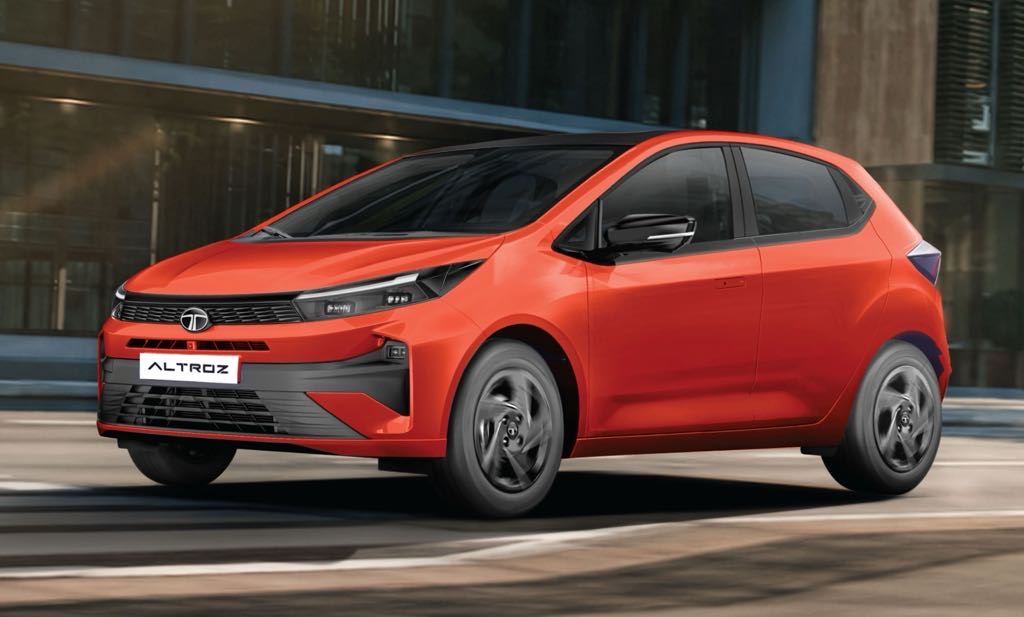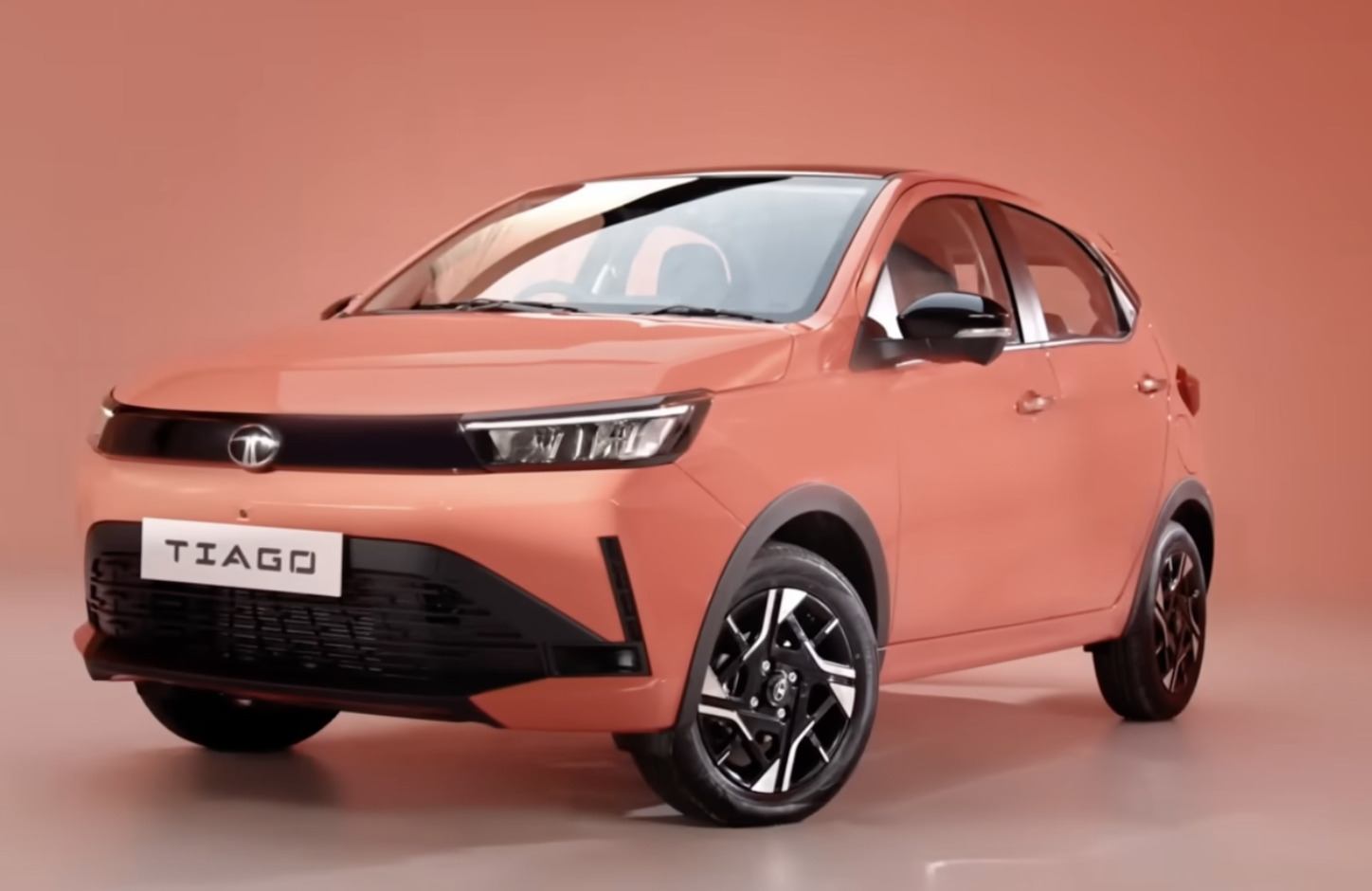
Tata Motors is set to increase the prices of select passenger vehicles by up to Rs. 25,000 from September 1, 2026. The company has attributed the move to sustained inflationary pressures and higher input costs.
The price revision will apply to both electric and internal combustion engine (ICE) models, although Tata Motors has not yet disclosed the model-wise breakdown. SUVs are also expected to see price increases as part of the revision.
Higher costs drive Tata Motors price hike
Tata Motors said the price adjustment is aimed at offsetting some of the cost pressures it has been absorbing. Rising input prices have remained a challenge for the automotive industry, with foreign exchange fluctuations adding to the pressure on manufacturers.
The company has also pointed to higher employee separation costs as another factor contributing to the increase in expenses.
Battery costs have been particularly relevant for Tata Motors’ electric vehicle portfolio. The company says EV battery prices have risen by around 10 percent over the past several months, adding to the cost of producing electric vehicles.
Tata EV and ICE models affected
The September price increase will cover select Tata Motors EV and ICE models. The company is yet to announce the exact amount of increase for individual vehicles, so customers will need to wait for the detailed price list to understand the impact across the range.
The hike comes despite strong sales momentum for Tata Motors. However, profitability has come under pressure, with margins declining to 7.4 percent.
The wider Tata Motors business is also dealing with challenges at Jaguar Land Rover, including supply-chain disruptions. These factors have added pressure to the group’s financial performance.
Tata Motors’ price revision follows similar moves by other manufacturers. Hyundai is also expected to increase vehicle prices in September, while Maruti Suzuki implemented a price hike in August 2026.
For buyers planning to purchase a Tata car, the September 1 revision could therefore result in a higher upfront cost, depending on the model selected and the extent of the increase.