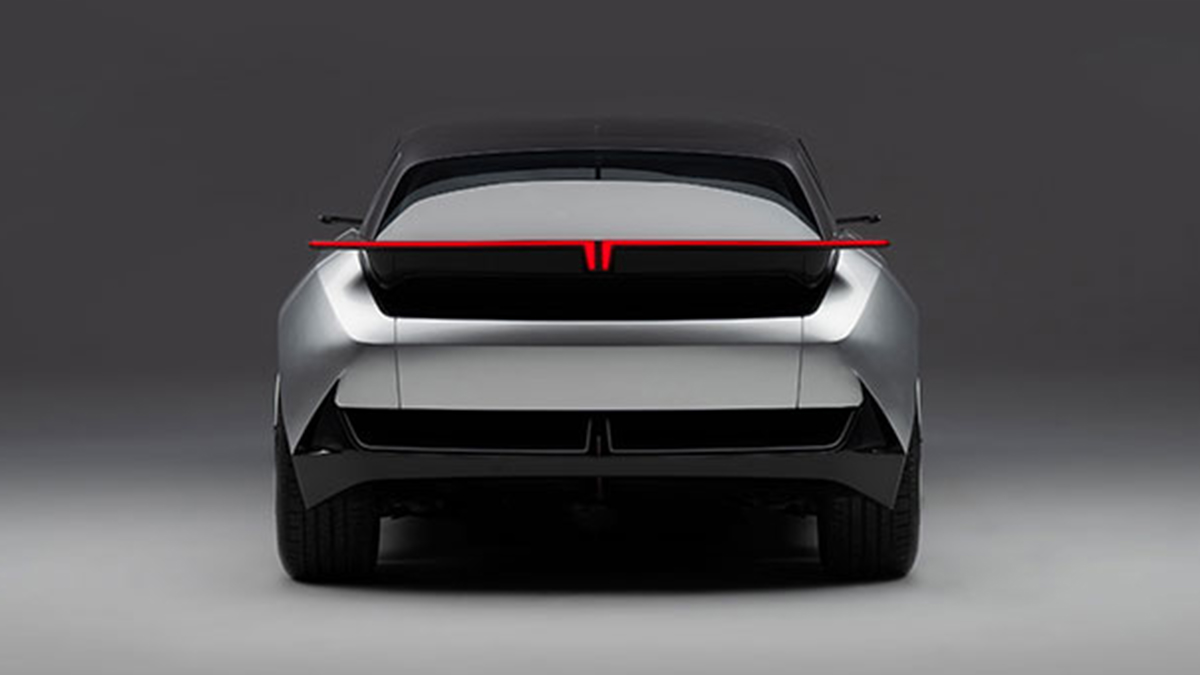
Amidst circulating speculation about potential internal combustion engine (ICE) or hybrid versions of the highly anticipated Tata Avinya, recent reports on June 24, 2026, indicate a potential shift in strategy for the premium vehicle line. While Tata Passenger Electric Mobility’s (TPEML) initial vision for the Avinya Concept, unveiled in April 2022, was based on a ‘Gen 3 architecture’ – a ‘born electric’ platform designed exclusively for electric vehicles – a report from CarLelo dated June 24, 2026, now suggests that an ‘ICE-powered SUV could be launched under the AVINYA nameplate’. This follows a CarWale report on June 23, 2026, also mentioning that Tata plans to add ‘an ICE model for its upcoming Avinya family’.
These reports introduce complexity to the Avinya’s powertrain future, especially considering a conflicting perspective from India Car News, also dated June 24, 2026, which suggested that Tata Motors’ broader ICE product strategy till FY2031 could see the Avinya range ‘eventually support multiple powertrains,’ including petrol, diesel, or hybrid options. This ongoing discussion comes as the Avinya’s production model is now reportedly shifting to the Freelander platform, which, unlike the original Gen 3, is known to support multiple powertrain options, including ICE.
Avinya X: The Road Ahead for Production
The first production model under the Avinya brand, likely the Avinya X, is expected to arrive in 2027. While the original Avinya concept was showcased on Tata’s Gen 3 EV platform, recent developments indicate a shift for the production Avinya X. Tata Motors has reportedly revised its platform strategy, opting to build the Avinya X on the Freelander platform sourced from the Chery-JLR (CJLR) ecosystem, moving away from Jaguar Land Rover’s Electrified Modular Architecture (EMA).
Key Specifications and Features (EV)
Positioned in the premium segment, the Tata Avinya EV is projected to offer an impressive range of over 500 km on a single charge. It will also support ultra-fast charging capabilities, allowing the vehicle to replenish enough charge for a 500 km run in under 30 minutes.
The Avinya’s design ethos for the concept embraced minimalism and a human-centric approach, featuring a spacious, screen-less cabin that prioritises wellness and voice-controlled functions. However, recent leaked patents for the dashboard of the production model reveal a wider instrument cluster and a large central infotainment screen, suggesting a deviation from the ‘screen-less’ philosophy for the production version. Leaked patents also reveal a unique steering wheel with “AVINYA” branding instead of the traditional Tata logo, highlighting its distinct premium identity. The vehicle is expected to retail in India with an estimated ex-showroom price ranging between ₹30 lakh and ₹60 lakh, depending on the variant.
Tata’s Broader Portfolio Strategy
Beyond the Avinya’s electric-only focus, Tata Motors is pursuing an aggressive product strategy for both ICE and EV segments. The company plans to introduce two new nameplates and four facelifts across its existing range by the end of financial year 2027. This includes aiming to expand its EV portfolio to 10 nameplates by FY2031, with the Sierra EV and Safari EV among four new EV nameplates joining the lineup in the coming years. This comprehensive strategy aims to strengthen Tata’s market position across various segments while solidifying its leadership in electric mobility.