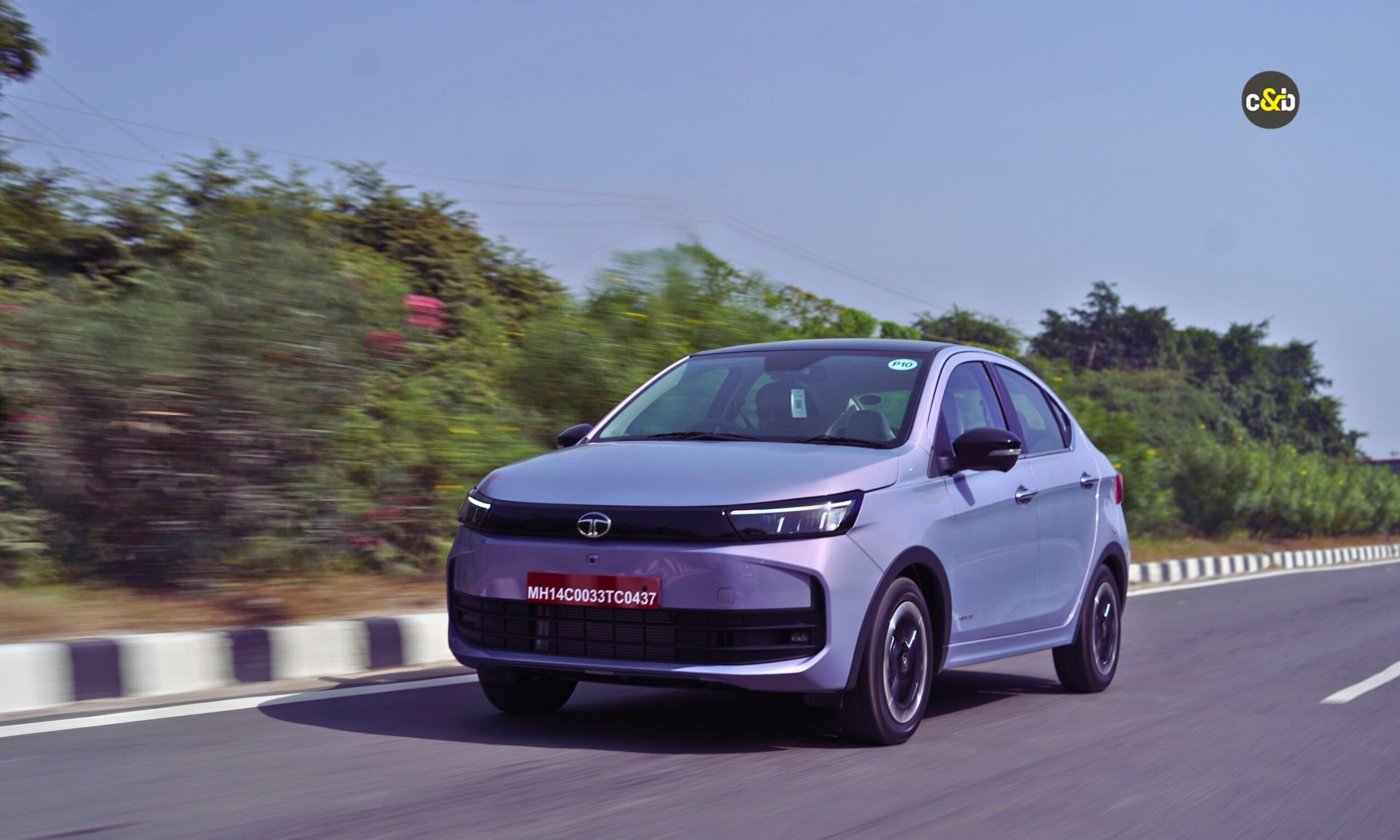
Tata has replaced the Tigor with the new Aeris and improved it in every aspect. We drove the CNG AMT and Petrol MT derivatives to find out how much it improved over its predecessor.
You must hand it to Tata for recognising a problem and bringing in an appropriate solution to it. Take the ageing Tigor for instance. It was a booted version of the Tiago and didn’t exactly set the sales charts on fire when stacked against the similar segment cars viz. Maruti Suzuki Dzire, Honda Amaze and the Hyundai Aura. So in comes the all-new Tata Aeris, a replacement for the Tigor but which feels a much-improved product overall. But how good is it? What has changed and what could have changed? Let’s find out.
Exterior
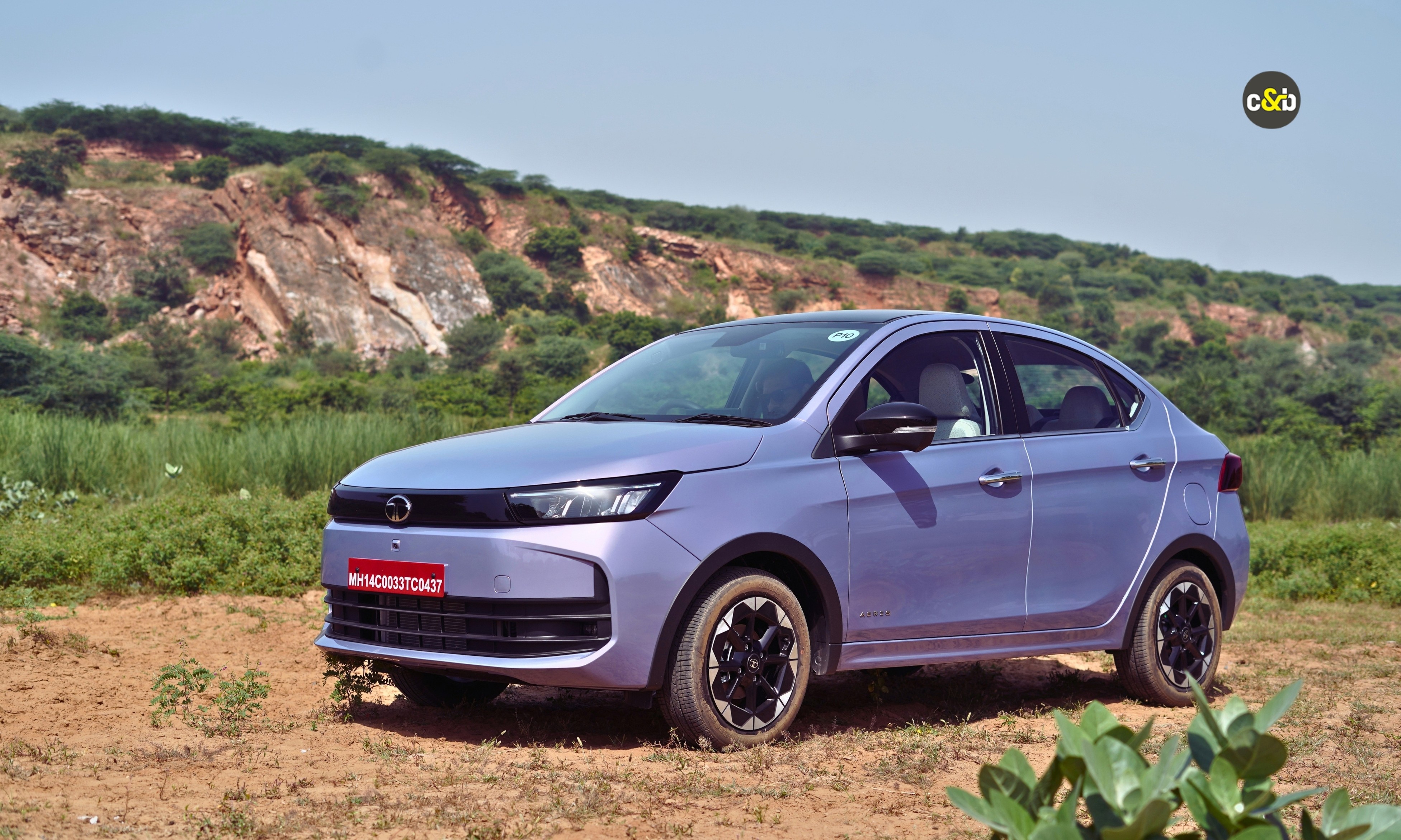
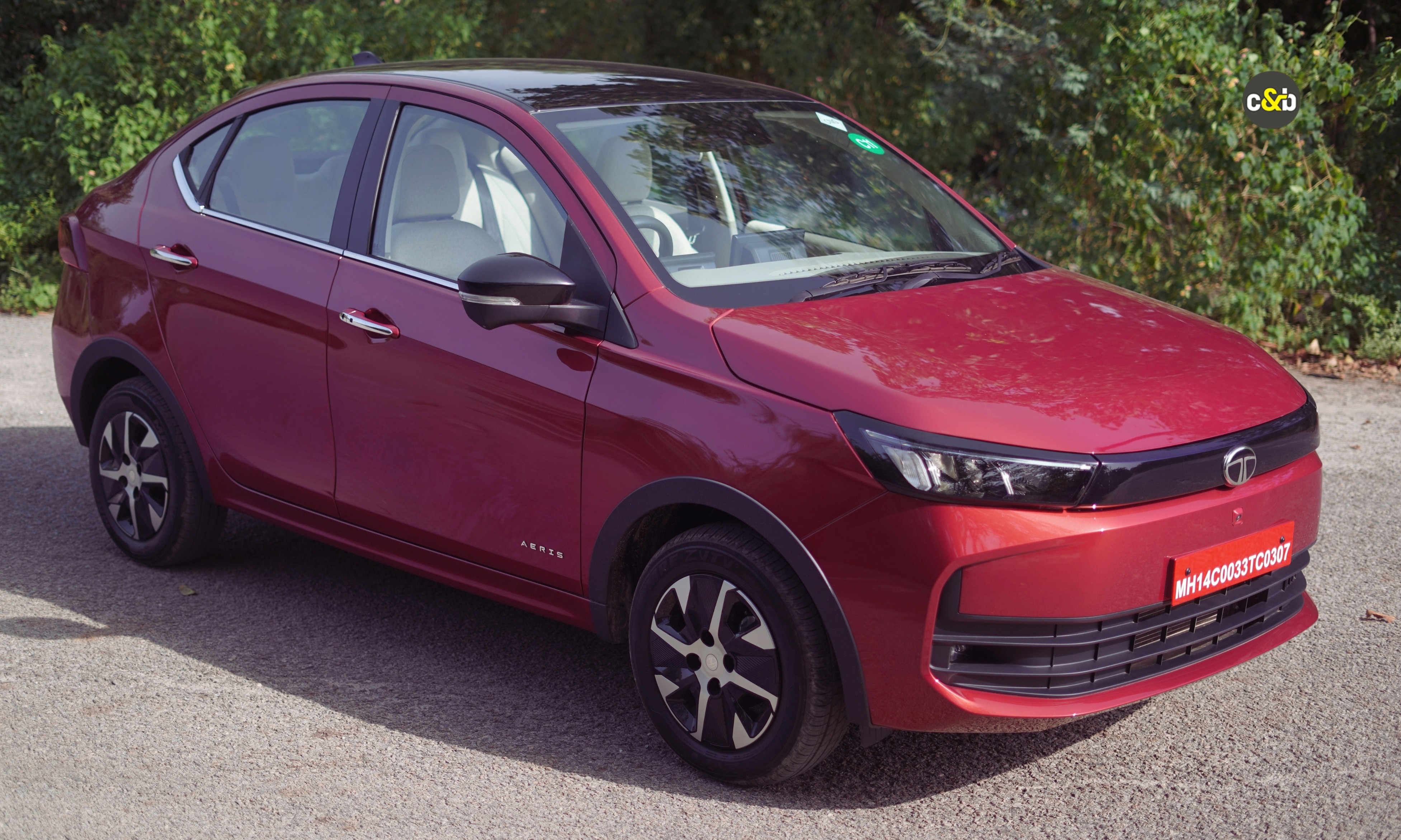
Firstly, the Aeris is a nice name for a car. And the radical change that we saw in the Tiago is carried over here, except that special attention has been given it seems to make the Aeris feel like less of an afterthought and more of a proper upgrade over its predecessor. There’s sharp shape for the headlamps and the bumper extending downwards with cuts and creases on either side make it feel a complete.
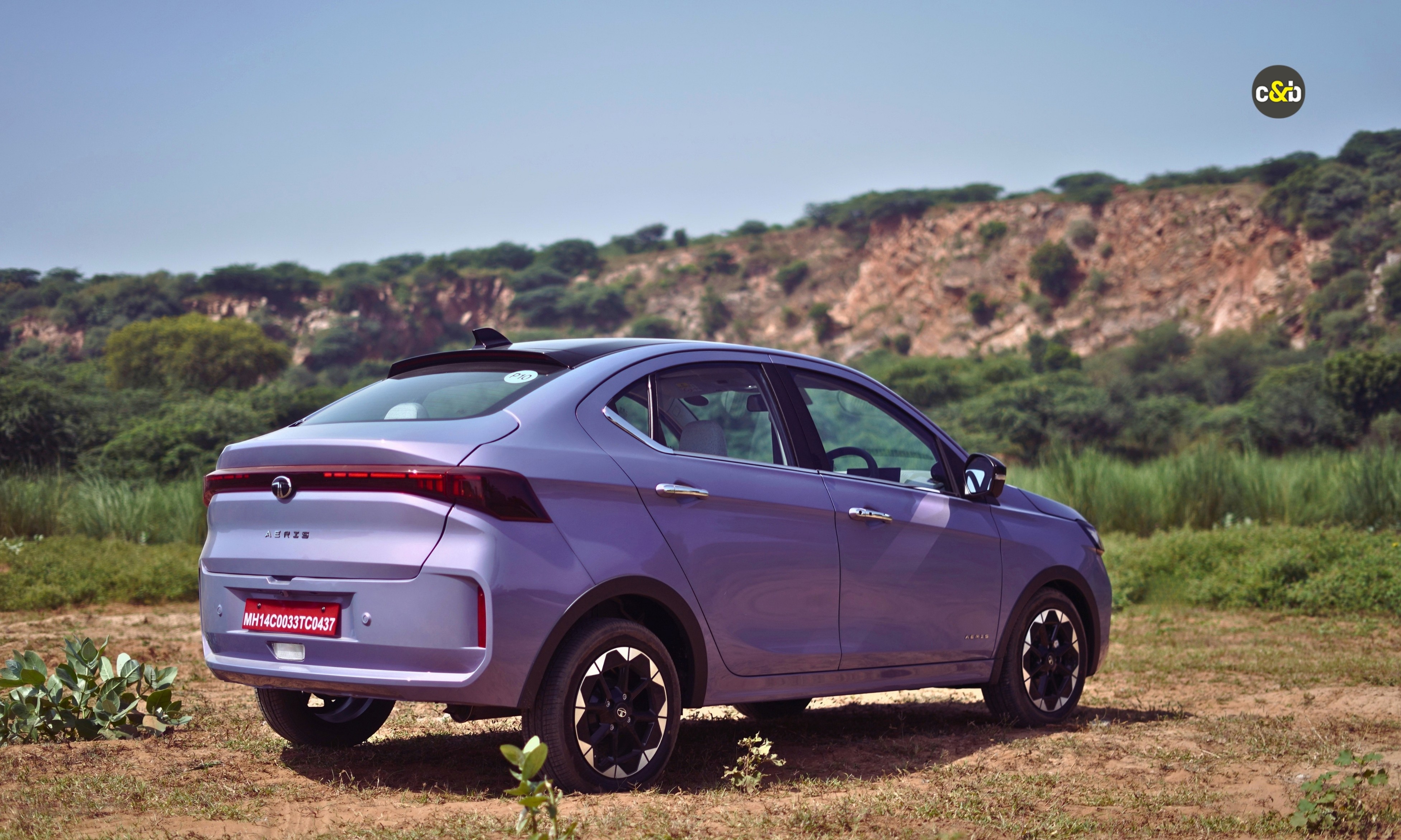
Talking about complete, it’s the rear section that makes it feel more rounded off as a sub-4 metre sedan than the Tigor could ever manage. There’s the characteristic LED stop lamps present on the top, but the connected tail lamp design feels modern, up-to-date, and adds character to the Aeris. It also gets some interesting looking alloy wheels here in the range topping version which really does justice to the Aeris’ styling.
Interior
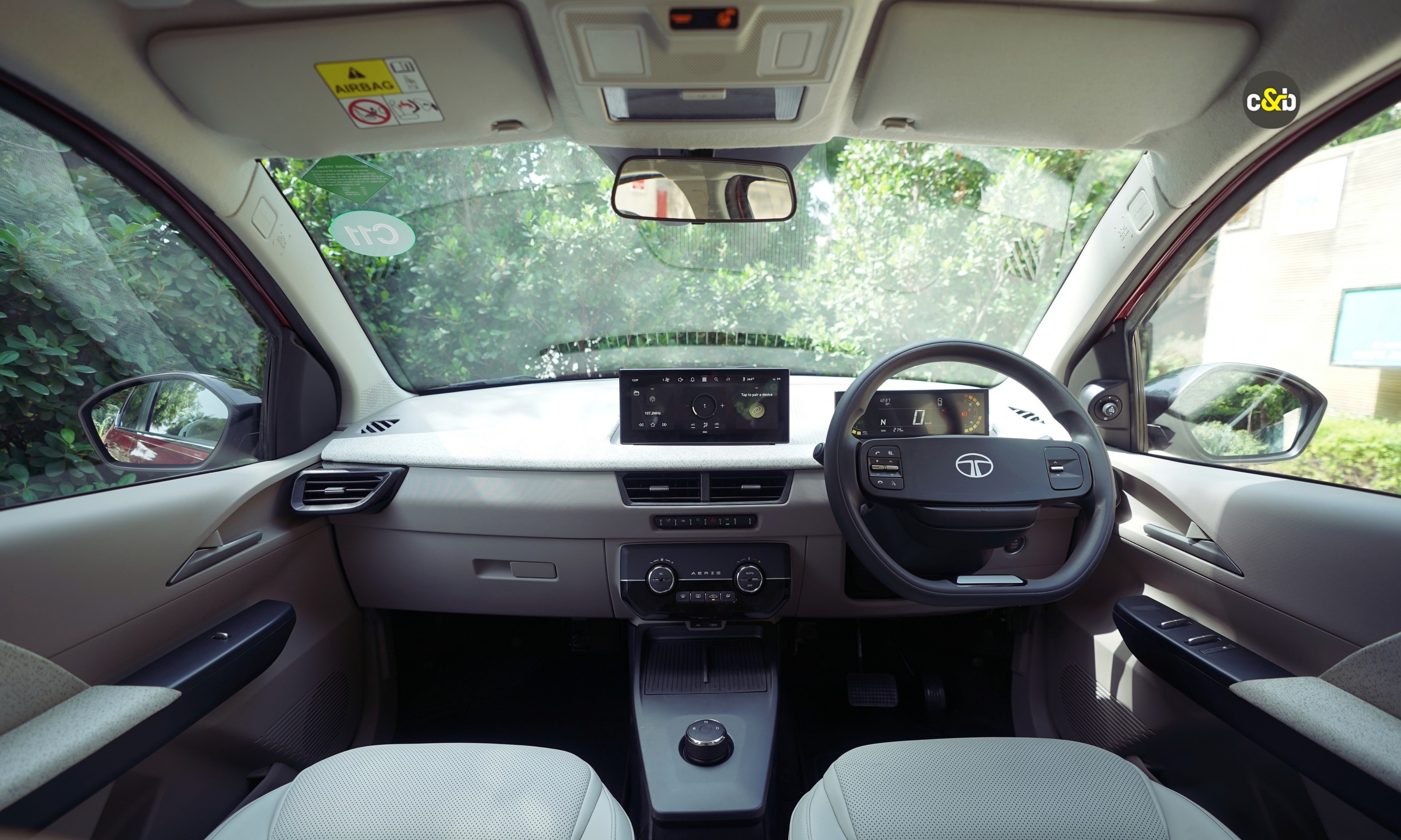
The reworked dashboard has some hits and misses. Firstly, the dashboard layout feels like its lifted and pushed up into the firewall. It has two individual floating screens, and it juts out in the centre while drawing back on the either end. This causes the driver’s display to appear slightly tilted – which would trigger a few OCDs for sure.
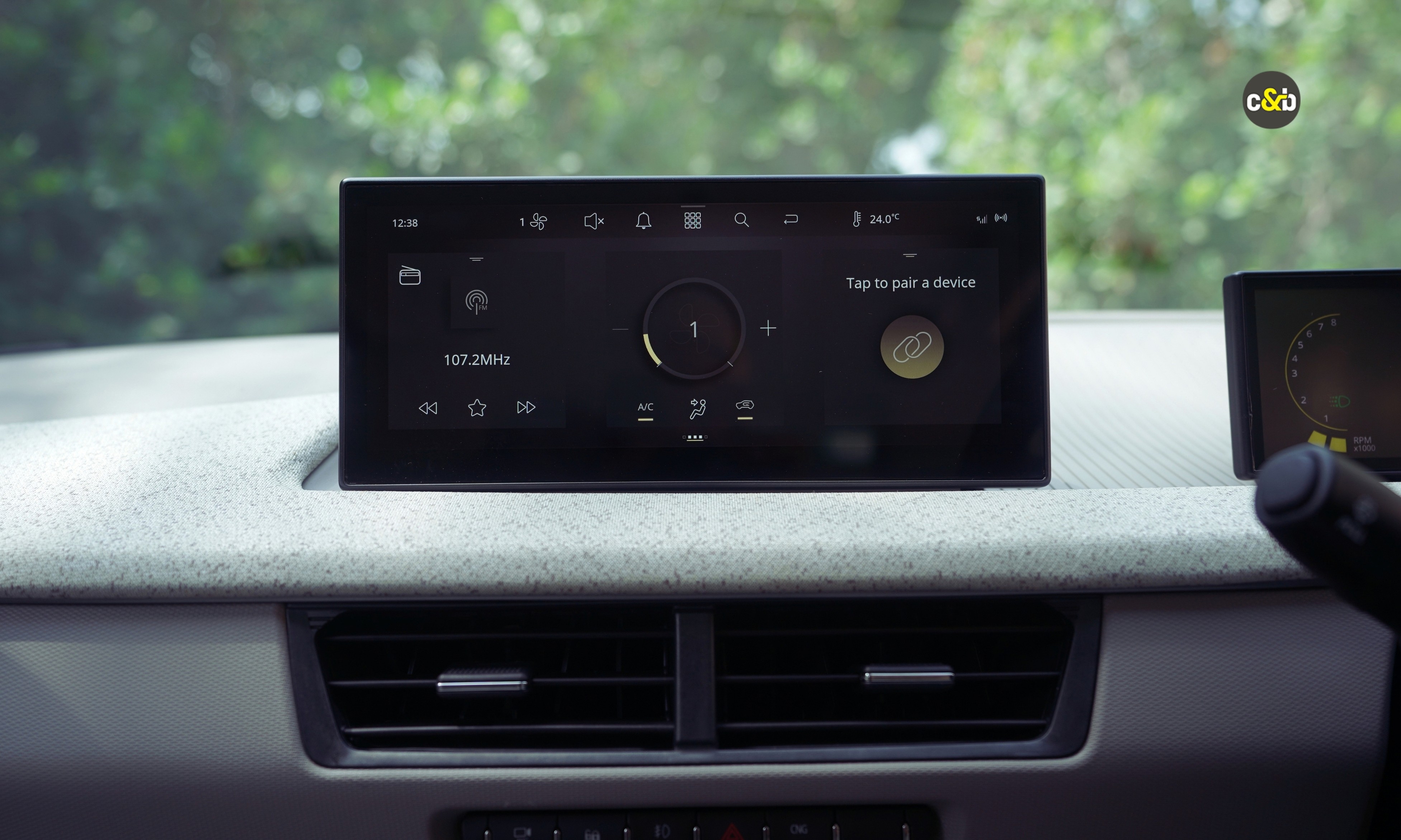
Then there’s the ‘newer’ steering wheel design which loses the gloss plastic and its sharp edges, and I prefer this layout a lot more than what we saw in the recent Tatas. Behind it the (tilted MID) is unique to the Aeris but uses the interface seen erstwhile in the olde Tiago/Tigor, and I wish it used its all-digital nature to be slightly more configurable. The centre screen uses the same interface as seen on recent/modern Tata and has simple and easy to use interface.
The seats are surprisingly supportive and thankfully there are actual buttons for the aircon instead of the gimmicky ‘phygital’ display. But the floating centre console doesn’t do as well as I expected to work. And I wish the AMT dial had a lever instead of the slow circular dial.
Driving
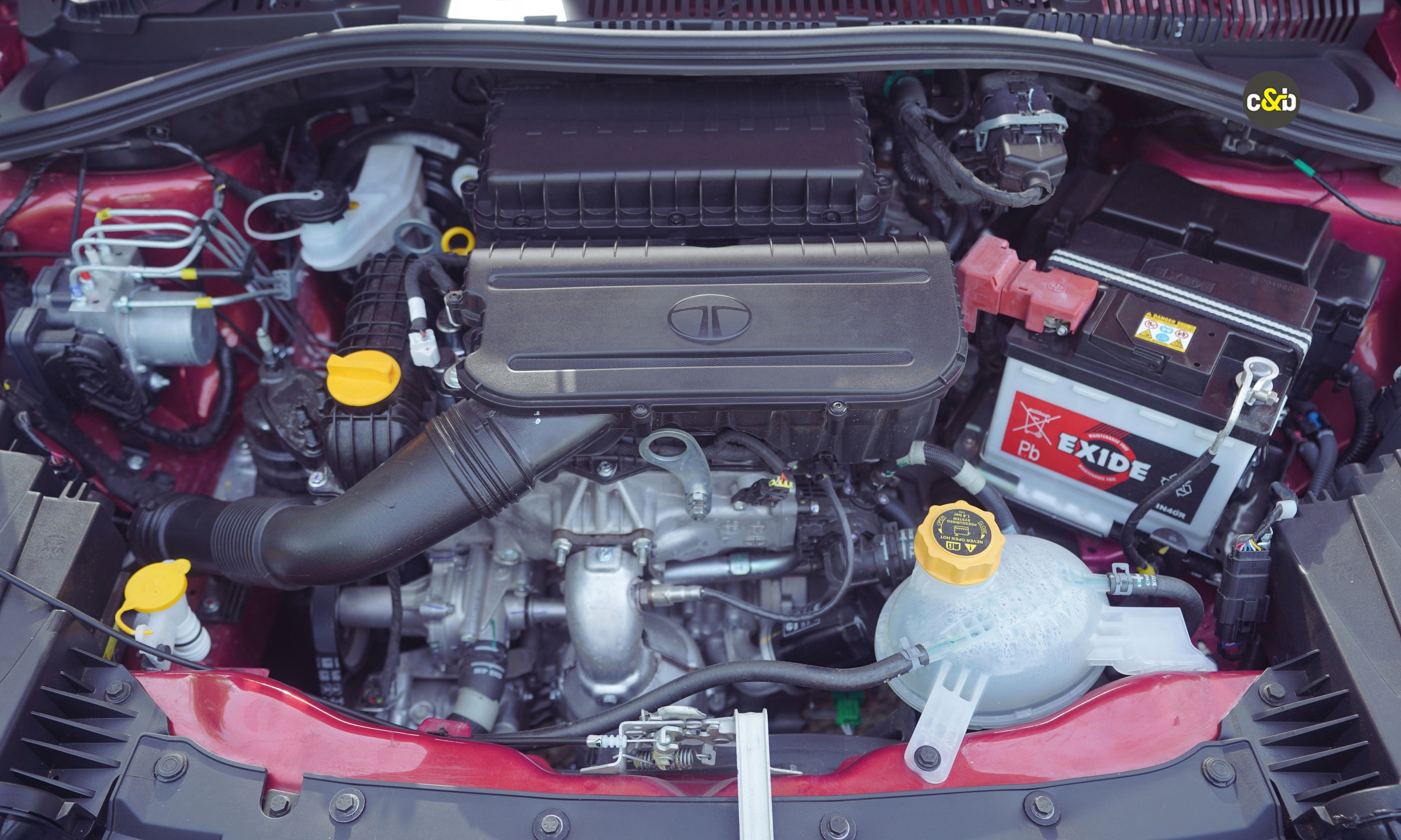
Let’s start with the CNG version of the Aeris which we drove with the AMT transmission. The one thing Tata managed to do with their CNG line-up is how seamless the switch between petrol and CNG driving mode. Earlier, there used to be a slight noticeable gruffness and coarseness when driven in the CNG mode which instantly disappeared once the CNG button was switched back to petrol mode.
With the new Aeris, this slight noticeable difference in the coarseness has been eliminated altogether. If feels vibration free and refined even in the CNG mode. The power delivery might not be something to write home about, but there’s just enough to keep you moving without stress.
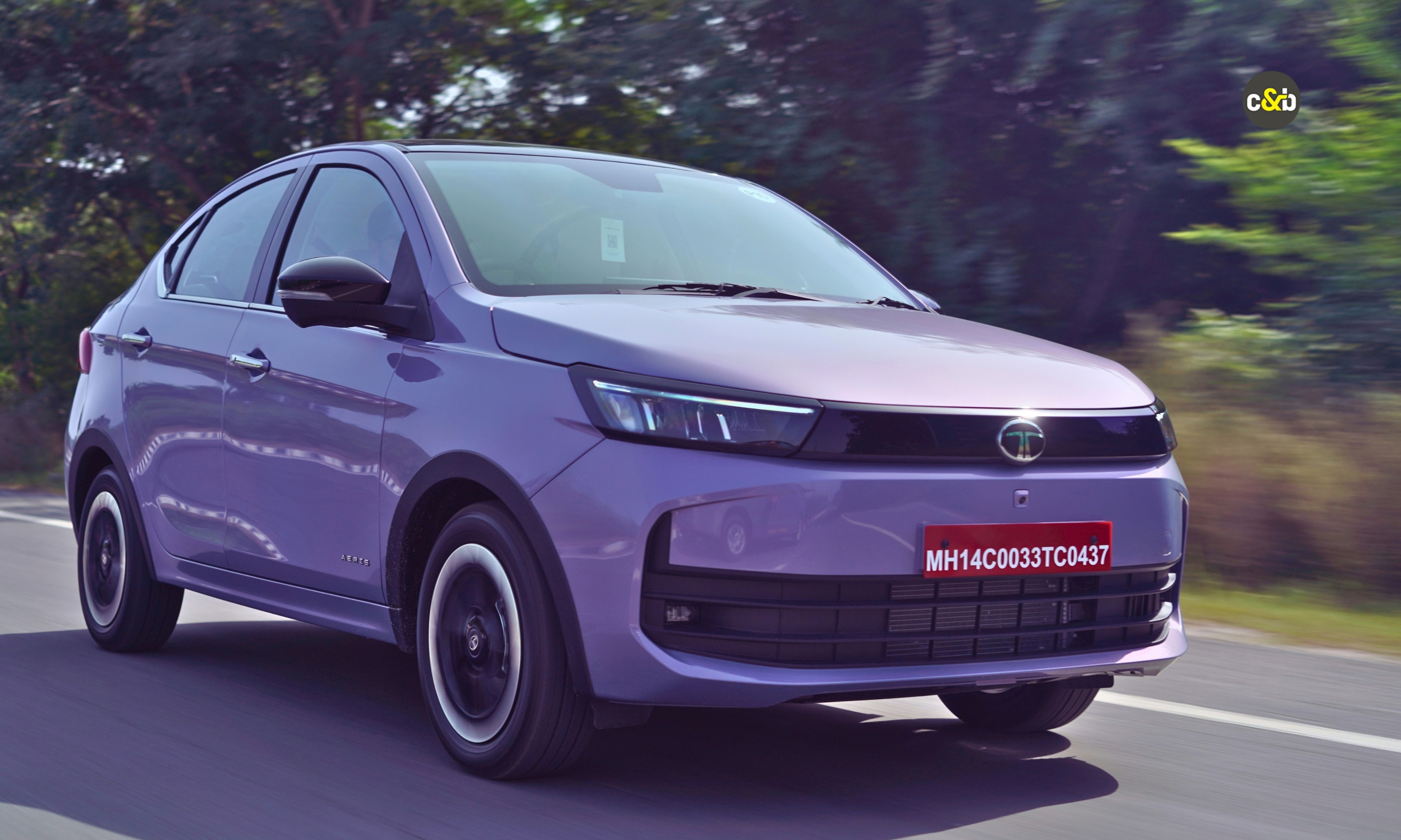
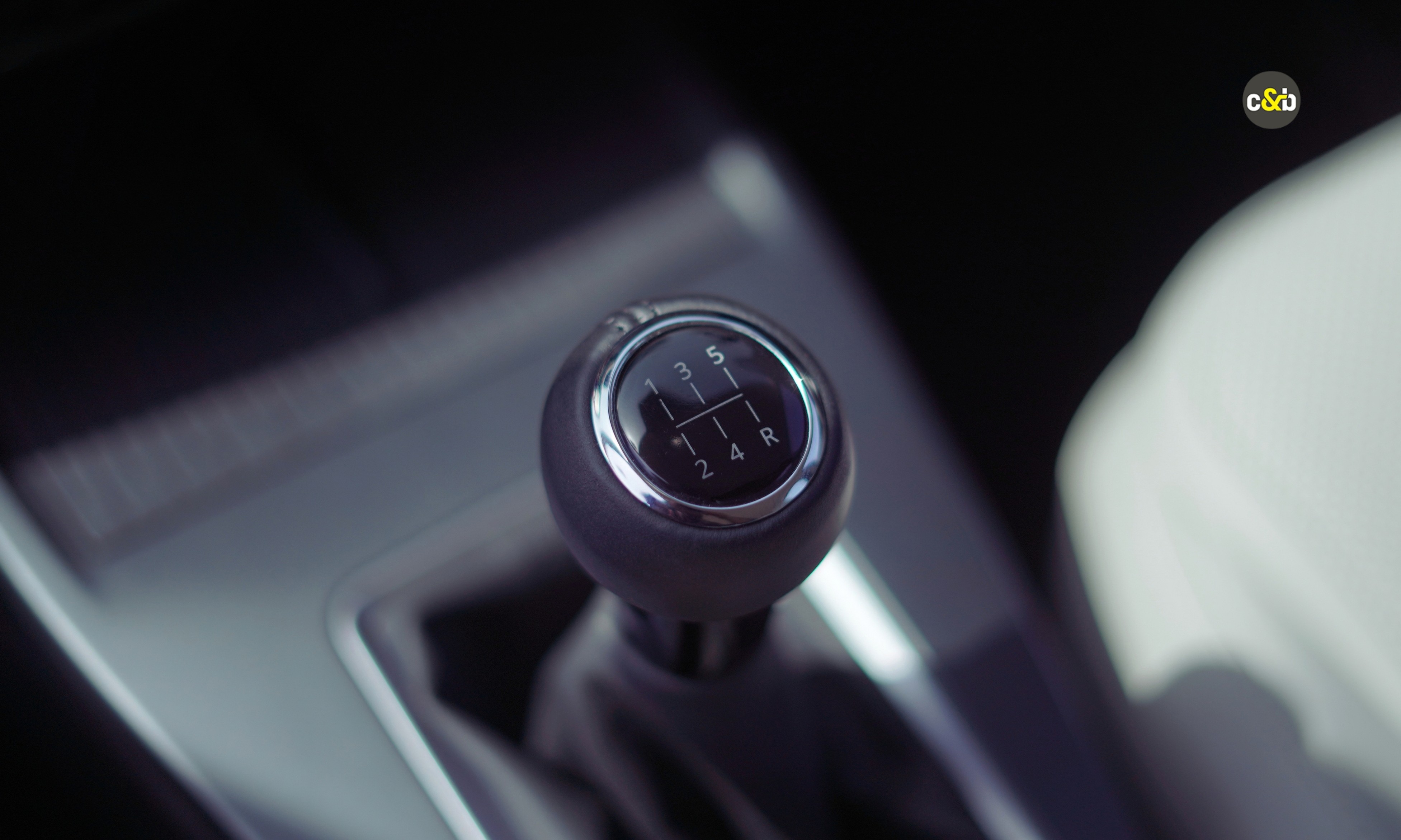
The AMT might inherit its slow and jerky nature in the CNG but look beyond that and the AMT’s convenience with the CNG fuel makes for a great combination for most of the buyers. As for the petrol, there’s not a huge difference between the Aeris and its predecessor. It continues to be a solid city runabout, can do occasional highway stints and that manual transmission offers a certain ease of driving thanks to its short throw, light clutch, no notchy-ness, and that JDM-styled circular gear knob.
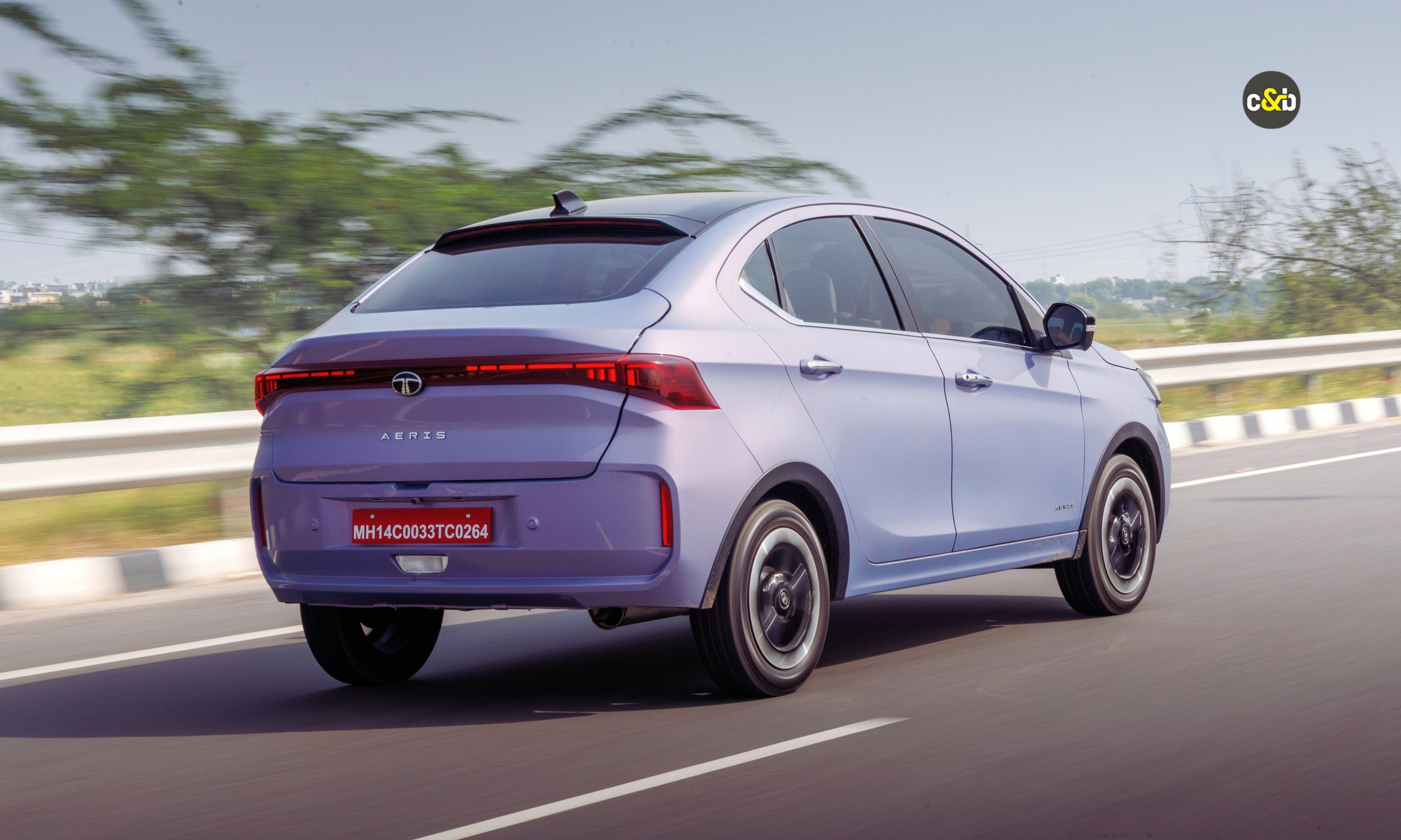
Lastly, the suspension setup is the biggest reason why one should consider buying the Aeris. Its ride is phenomenally good, and it absorbs bad roads with great aplomb irrespective of the speeds you are doing. Be it sharp edged potholes, rough roads, or no roads, the Aeris takes everything astride as good as an SUV ought to, in fact better than some of the pseudo-SUVs out there.
Conclusion
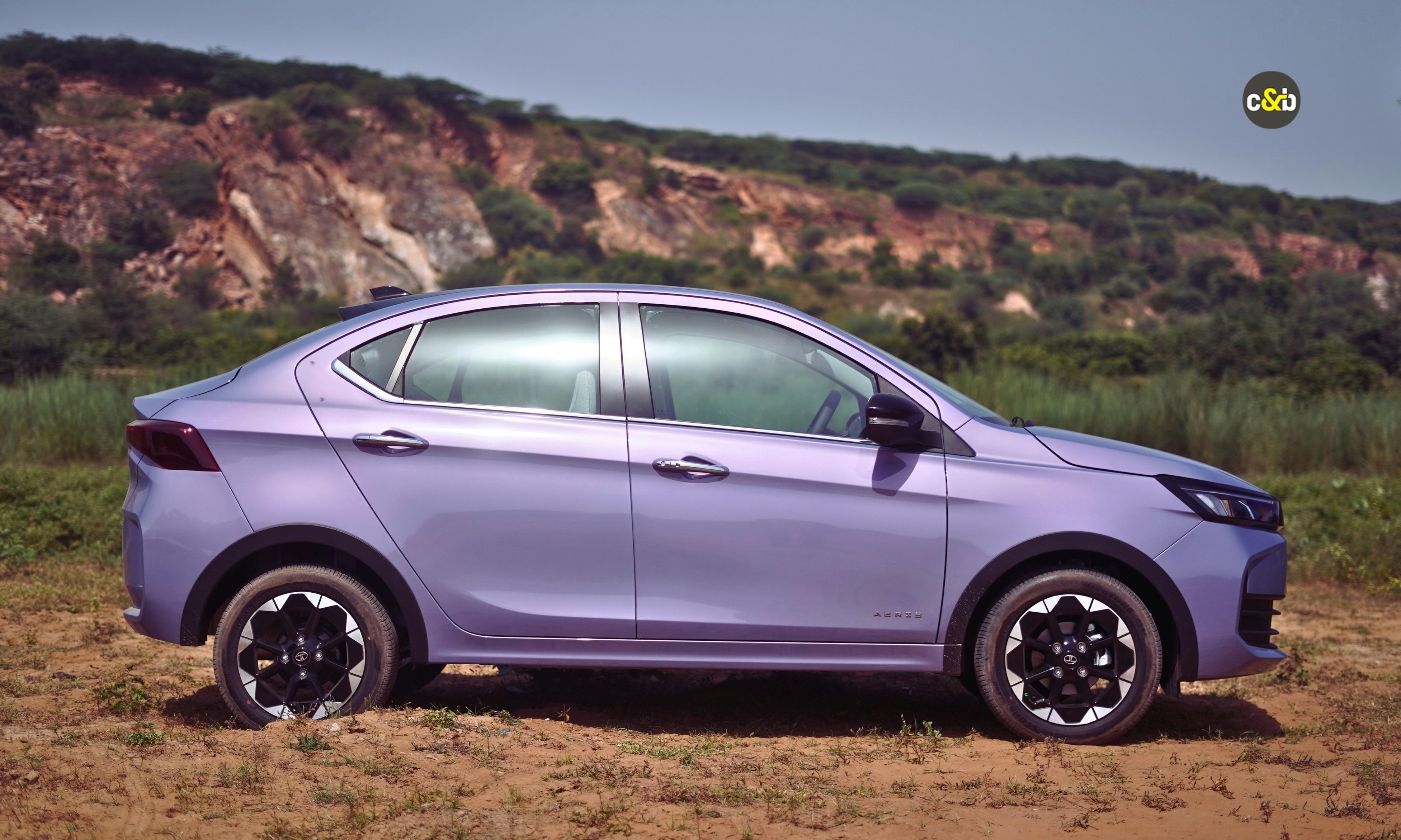
The Aeris is everything Tata does right. They understood the shortcomings of the Tigor and managed to improve every single thing wrong with the Tigor to make the Aeris a well-rounded product. Als not well though, because the Aeris is a little rough around the edges, quite literally. On our test car, the fit and finish felt like it was put together in a hurry. Be it the panel gaps, upholstery stitches and fitment, and sharp edges on the plastic here and there hampers recommendation quality of the otherwise brilliantly put together Aeris. It now feels not just improved over the Tigor, which felt like an afterthought. The Aeris isn’t an afterthought. It is engineered to be, feel, offer, and carry, every small improvement and that’s half a battle won.