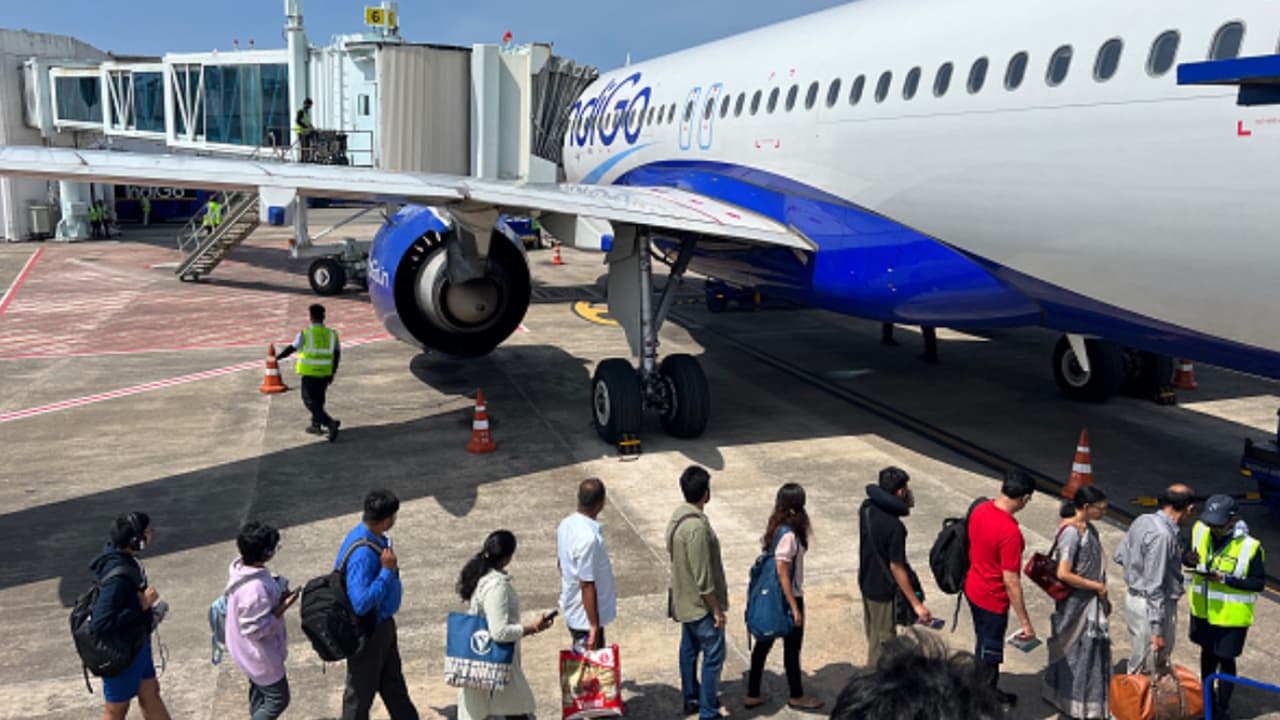
A major policy change aimed at lowering airline operating costs could reshape air connectivity from Chennai, with officials expecting new routes, additional frequencies and stronger international links in the coming months.
Tamil Nadu is expecting a boost in domestic and international air connectivity after slashing Value Added Tax (VAT) on aviation turbine fuel (ATF) at Chennai airport, a move designed to encourage airlines to deploy more aircraft and expand route networks from the city.
The state government’s decision follows a series of discussions involving airline operators, the Airports Authority of India (AAI) and state officials focused on improving connectivity from Chennai. During those consultations, airlines repeatedly highlighted fuel taxation as a major obstacle to expansion, arguing that lower fuel costs would improve operational economics and support the launch of additional services.
Responding to those concerns, Tamil Nadu reduced VAT on ATF at Chennai airport from 29 per cent to 16 per cent. The measure is expected to lower operating expenses for carriers and improve the airport’s competitiveness when airlines allocate aircraft across different locations.
Officials familiar with the discussions said air carriers welcomed the decision and have indicated plans to strengthen their presence in Chennai by increasing frequencies and evaluating new destinations.
The government has been actively seeking broader connectivity, both within India and internationally. Among the proposals discussed with airlines is a direct service linking Chennai and Japan, reflecting efforts to strengthen connections with major business and investment markets.
According to sources, one of Chennai airport’s largest airline operators has indicated plans to expand flight operations by nearly 25 per cent. Another major carrier is understood to be considering an increase of around eight per cent in its services.
While these commitments are viewed positively, no definitive implementation timeline has been announced.
Industry officials caution that passengers should not expect immediate changes in schedules. Instead, any visible increase in flight frequencies or new route announcements may emerge gradually, potentially becoming more evident during future seasonal scheduling updates.
For years, the aviation sector has argued that fuel taxation plays a critical role in determining route viability, particularly in highly competitive markets where profit margins remain thin.
Government Targets Larger Aviation And Economic Footprint
The tax reduction forms part of a wider effort to position Chennai as a stronger aviation hub capable of attracting greater airline investment and passenger traffic.
Stakeholders believe connectivity growth depends not only on airline incentives but also on strengthening underlying demand. Some industry observers argue that attracting more high-value industries, investments and skilled employment opportunities will further support long-term growth in passenger volumes.
Higher levels of economic activity typically create demand for business travel, international connections and cargo services, making route expansion more commercially sustainable.
The aviation sector responded positively to the policy announcement. Major carriers including IndiGo, Air India and Akasa Air publicly welcomed the VAT reduction, viewing it as a step that could enhance the economics of operating from Chennai.
The government’s strategy appears aimed at converting that financial advantage into increased connectivity.
Officials hope that lower costs will encourage airlines not only to expand existing networks but also to consider destinations that may previously have struggled to meet commercial viability thresholds.
Whether those expectations translate into tangible growth will become clearer over the coming months as airlines finalise route planning and fleet deployment decisions.
The success of the policy will ultimately be measured not by the tax reduction itself but by whether airlines follow through with expanded schedules, new international routes and greater overall capacity at one of India’s busiest airports.