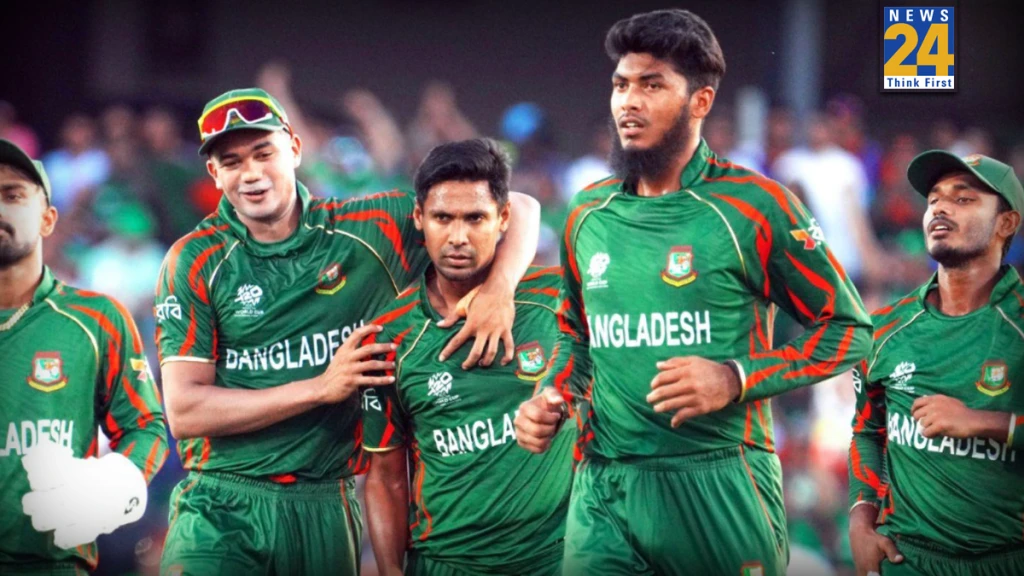
A changeover request from Bangladesh regarding moving its India-based matches would not cause a significant impact on the BCCI-controlled revenues, but there is a potential reduction in ground-level revenues and commercial value at two major venues.
It is entirely dependent upon ICC decisions regarding whether those matches are rescheduled entirely, swapped with other matches, or replaced with other matches. That holds the key whether it holds significance for India or is symbolic.
Bangladesh’s original itinerary consisted of three matches of Group C at Eden Gardens, Kolkata, against West Indies, Italy, and England. They were to end their group matches at Wankhede Stadium, Mumbai, against Nepal.
The capacity at Eden Gardens is approximately 63,000, and at Wankhede it is around 33,000. So collectively, the four Bangladesh matches offer a ticketing possibility of about 2.2 lakh seats.
The ticket prices are just the tip of the iceberg. Even as the ICC has announced the ticket prices for World Cup matches to be held in India starting at INR 100, the ticketing website has ticket prices starting at INR 100 for Bangladesh vs Italy, INR 300 for West Indies vs Bangladesh, and INR 250 for Bangladesh vs Nepal in Mumbai. The relevant point here is the fact that, according to ICC guidelines in India, the ownership of tickets for all matches lies with the ICC Business Corporation (IBC), and the BCCI is the host in this matter.
Consequently, the BCCI’s actual exposure in the deal would not be the revenue from the tournament, but rather the upside on the days of the matches.
A shift involving international matches, if not replaced with other matches, will see a possible value arising from gate receipts, which may fall within the range of INR 7-30 crores. This takes into account 60-90% stadium occupation and ticket prices ranging from INR 500 to 1,500.
Nevertheless, if the ICC switches the Bangladesh matches to different locations but adds other matches to the same stadiums to compensate the Indian government, the loss of revenue may not be so significant. Then, the problem will change to being one of quality of demand, where the loss of the more lucrative English match is more problematic rather than the less prominent one involving Bangladesh and Italy. When the matches will just shift without changing the overall number of matches to be held in India, the problem will solely be one of coordination.
In essence, this is not a question of India’s share of revenues in the World Cup. This is a question of the additional amount the BCCI can make from four venue revenues, which will depend entirely on the ICC’s model selection.