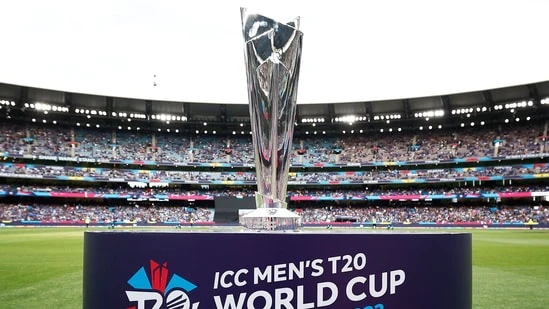
The 2026 T20 World Cup has a familiar skeleton – 20 teams, big venues, packed nights – but the events around it feel noticeably different.
Some of that is genuinely “first-time” territory. Some of it is the sport returning to places that haven’t hosted this tournament in a long while.
It’s the kind of edition where the cricket will matter, of course – but the context is loud enough to shape the entire tournament narrative.
A return to the subcontinent after a long wait
The most obvious “after a long time” marker is the location. India is hosting a Men’s T20 World Cup again for the first time since 2016. That’s a decade-long gap, which is huge in a format that reinvents itself every two years. Players, tactics, even what teams consider par totals – everything has evolved since the last time India staged this event.
Sri Lanka, too, is back in the hosting mix after a long gap. It last hosted the Men’s T20 World Cup in 2012. Fourteen years later, it returns with a completely different cricket ecosystem around it: more franchise-conditioned batters, deeper bowling analytics, and squads far more comfortable with match-ups than old-school “my best XI vs yours” thinking.
The first time the 20-team era hits these conditions
This is also the first time the expanded 20-team T20 World Cup is being played in India and Sri Lanka conditions. That matters because the 20-team era changes how teams approach risk. Bigger groups and more varied opposition means you can’t play only safe cricket and assume quality will carry you. At the same time, subcontinent conditions are ruthless on the teams that don’t adapt quickly – especially in the first week, when one misread of pitch tempo can spiral into a tournament-defining upset.
So this edition has a unique tension: the tournament is bigger than ever, but the environments can be less forgiving than the flatter, more predictable surfaces teams often prefer.
A different time window, a different rhythm
Another major change is the calendar slot. The tournament is staged in February-March. That’s not a small scheduling detail – it alters everything from preparation cycles to player freshness. It changes how teams taper workloads after long seasons, how quickly fast bowlers peak, and how captains manage bowlers through a month-long event.
In practical terms, the tournament’s rhythm becomes sharper. There’s less “settling in.” Squads tend to arrive with more defined plans because the schedule doesn’t offer the luxury of drifting into form.
New milestones on the table
India enter the tournament with something no one else has: a realistic shot at becoming the first team to win the Men’s T20 World Cup three times. That possibility alone changes pressure dynamics – because chasing history is different from chasing a trophy. Opponents don’t just want to beat India; they want to stop a landmark.
There’s also a broader “new era” feel across the tournament. Several teams are now transitioning away from the generation that defined the last decade of T20 internationals, replacing reputation with roles: specific match-up hitters, specialist middle-overs enforcers, and finishers who train for 15-ball impact rather than 50-ball innings.
Why this edition feels different
Put it together and the 2026 World Cup becomes a rare combination: a modern, expanded tournament landing in environments that demand old-school adaptability. It’s not just about who has the best XI on paper – it’s about who reads the game fastest, adjusts without ego, and survives the noise that inevitably follows a World Cup in the subcontinent.
This edition won’t be won by hype. It’ll be won by teams that can keep their plans simple, their nerves quieter, and their cricket smarter – while history hangs in the background, daring someone to grab it.